Lando Norris
 McLaren
 Mercedes
 Red Bull
 Ferrari
 Williams
 Racing Bulls
 Aston Martin
 Haas
Haas Alpine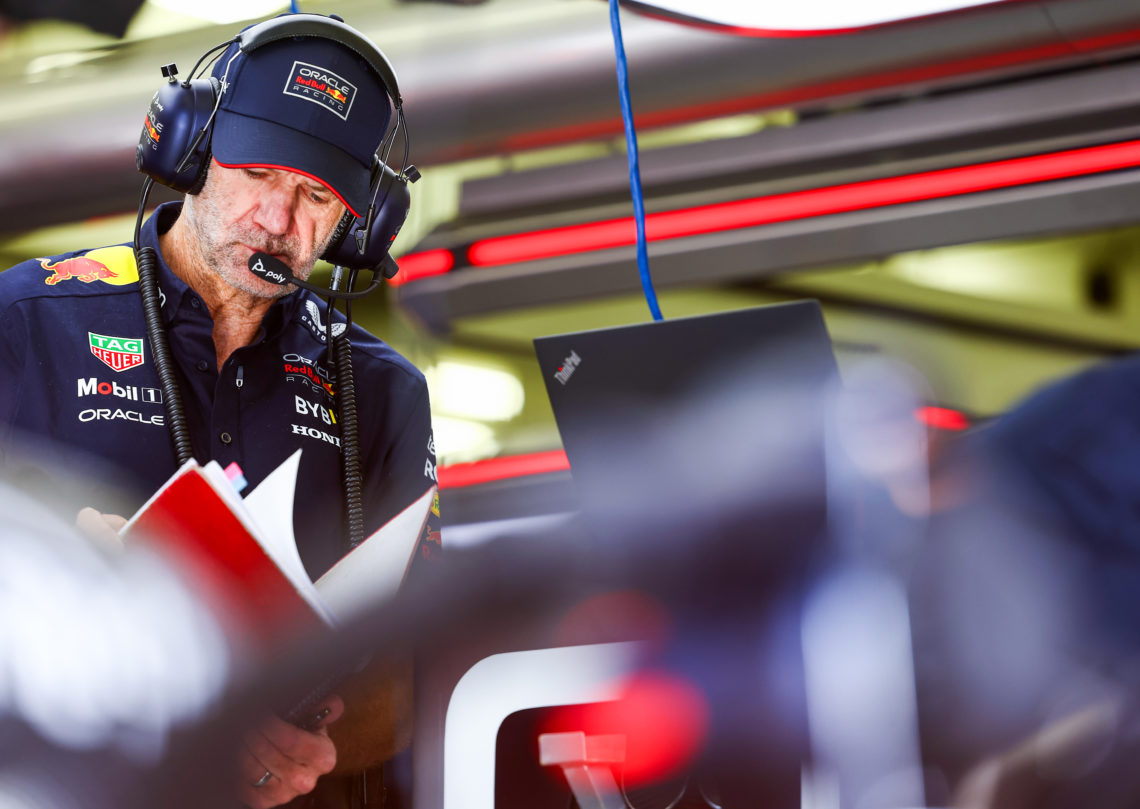

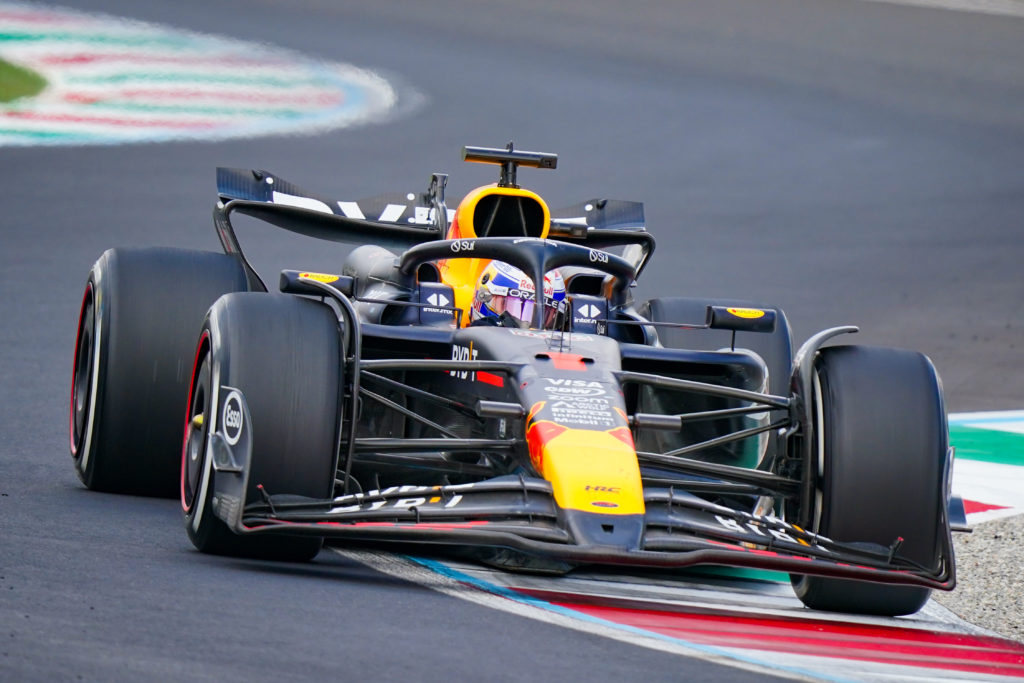
It was clear that Red Bull faced an uphill struggle in the Italian Grand Prix when they were among the slowest in the speed traps during practice.
All the F1 teams usually bring Monza-specific rear wings to cope with the demands of the high, Red Bull decided not to bring a bespoke offering and stuck with a trimmed-down version of its lowest downforce choice.
While the wing looked like it belonged in a Batman film, it offered some clues as to where they currently are with understanding the cause and effects of the latest upgrades to the RB20. The wing was not an attempt by Red Bull to work backwards to understand the problem, they already tried that in Zandvoort to little effect, but a direct consequence of how constrained the team is under the cost cap.
READ MORE: Everything you need to know about Red Bull Racing from engine to Ford links
They felt it was more appropriate to spend their resources and money on developing other parts, a sensible decision considering Red Bull is the team that has the least amount of CFD and wind tunnel runs at its disposal due to its position in the championship.
Christian Horner openly admitted that they are now the fourth fastest team in F1 and are having to come up with an engineering solution to an engineering problem. This is where the expertise of a design guru like Adrian Newey comes into play and is likely the reason why they are struggling to find a hotfix to their problems.
Adrian Newey’s understanding of ground effects supersedes simulation
When the current regulation set was introduced, it gave the teams the freedom to exploit the venturi effect (or ground effect) to create downforce by using the car’s floors for the first time since 1982.
Every team struggled initially with bouncing at high speed on straights, owing to the sheer amount of downforce their cars were generating to achieve the ground effect.
Porpoising is a phenomenon that was overlooked by many engineers when the 2022 regulation set was announced, mainly because it does not show up in their simulation tools.
While the RB18 was not immune from the problem, it certainly provided Max Verstappen and Sergio Perez with a much more stable aero platform compared to everyone else. It went on to become a characteristic of Red Bull’s cars: while everyone else bounced, their car stayed level which enabled them to exploit the potential of their aero package.
READ MORE: Adrian Newey has now chosen his next Formula 1 team after deciding to leave Red Bull
There was no particular strength of the RB18 or RB19, they were just good all-rounders. This was Newey’s genius at play. He began designing F1 cars in the 1980s when ground effect aerodynamics were first being used. The experience he gained there, alongside his tenure in sports cars and IndyCar racing, gave him an advantage in understanding the rules.
Newey knew that ground effects were not just about aero, but also about how it interacts with the rear suspension and mechanics of the car.
As good as many of the engineers are in F1 at the minute, their experience with these cars is unlike Newey’s. They have to work backwards to understand problems, but Newey can issue a fix akin to a computer software update.
Adrian Newey’s role at Red Bull was more than designing cars
When Newey announced he was leaving Red Bull at the end of the season, Sergio Perez noted how his role at the team went beyond the sketch board in his Milton Keynes office.
“Working with Adrian, he is much more than a designer, he can influence even strategies, set-up, he could have that influence on a race weekend,” said Perez.
“To have him around on race weekends was great. He is a very strong individual and wherever he goes he will cause an immediate impact. But it is a whole group of people that he will require to have around him as well.”
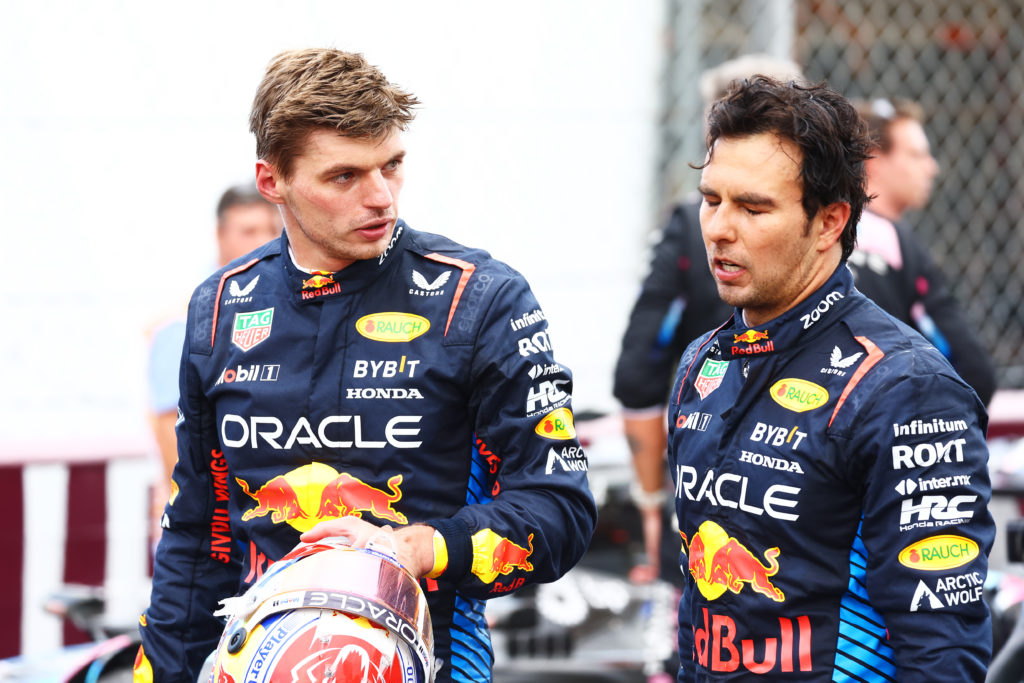
Perez is a good barometer for how difficult the RB20 has been for the team all season long. Those within Red Bull support the theory that it was never a comfortable car to drive for Perez, thus generating the mistakes and sizable gap to Verstappen.
The decision to keep Perez after a dire run of races before the summer break was born out of continuity, knowing the fix was never going to be the bit in the middle operating the steering wheel and pedals. Red Bull could only rely on the Max-factor for so long before it began to affect him at circuits that demand setup compromises.
Red Bull is missing Newey’s expertise. Especially after Horner was baffled at their over half-a-second deficit to McLaren’s lap time in qualifying at Monza. The RB20 is not as slow as the timesheets make it out to be, but it takes a lot of understanding of these tricky cars to extract performance.
It’s no surprise that Red Bull is now going through the same vicious cycle that Mercedes, Ferrari, and McLaren have all endured during this regulation cycle. They started off the season with an aggressive new car concept in a bid to maintain their advantage, which was the right choice, but always going to pose issues for them as rivals added more performance to their cars.
The true extent of their advantage was masked by McLaren’s lack of big upgrades from their first specification car and Mercedes still trying to crack its problems. The Spain/Austria/Silverstone triple-header rightly exposed how much they have closed that gap through their hard work behind the scenes.
That is not to take away from their current technical expertise, Pierre Wache is a capable enough engineer who will figure out their problems. But the mix of ageing facilities at Milton Keynes, aero testing restrictions, cost cap, and lack of Newey has made this a multifaceted problem for Red Bull. It will be fascinating to see if they can figure this out and give us confidence in their post-Newey era.
Receive exclusive F1 news and updates twice a week to your mailbox