Lando Norris
 McLaren
 Mercedes
 Red Bull
 Ferrari
 Williams
 Racing Bulls
 Aston Martin
 Haas
Haas Alpine


Red Bull and McLaren have been the benchmark teams in Formula 1 2024 so far, but their impressive performance on track will be a handicap in the second half of the season.
This is because F1’s aerodynamic testing restrictions have come into effect, which limits the amount of wind tunnel usage and computational fluid dynamics [CFD] runs they can do at their factories.
The amount of runs they are allocated is determined by the championship order at the end of last season to start, then reset midway through the year at the end of June based on the current championship order.
For example, Haas finished last in 2023 and received 115% of available time while champions Red Bull were only allocated 70%. As Haas has scored more points than its rivals and moved up to seventh in the championship, this will be adjusted.
The impact of F1’s Aerodynamic Testing Restrictions
The amount of testing time allowed for each of the teams is increased by 5% per-position, with seventh place receiving 100% (or 320 wind tunnel runs and 2,000 CFD research items).
The biggest loser is McLaren, who after finishing in fourth last season will now pay the price for their impressive turnaround this year with a 10% reduction for the second half of 2024.
Mercedes is set to gain the same amount after finishing second last year but slipping to fourth in 2024, while Ferrari will remain the same having not changed its position.
| Position | Team | Change | Percentage of limit | Wind Tunnel runs | CFD Items allowed |
| 1 | Red Bull | 0 | 70% | 224 | 1,400 |
| 2 | McLaren | +2 | 75% | 240 | 1,500 |
| 3 | Ferrari | 0 | 80% | 256 | 1,600 |
| 4 | Mercedes | -2 | 85% | 272 | 1,700 |
| 5 | Aston Martin | 0 | 90% | 288 | 1,800 |
| 6 | Visa CashApp RB | +2 | 95% | 304 | 1,900 |
| 7 | Haas | +4 | 100% | 320 | 2,000 |
| 8 | Alpine | -2 | 105% | 336 | 2,100 |
| 9 | Williams | -2 | 110% | 352 | 2,200 |
| 10 | Sauber | -1 | 115% | 378 | 2,300 |
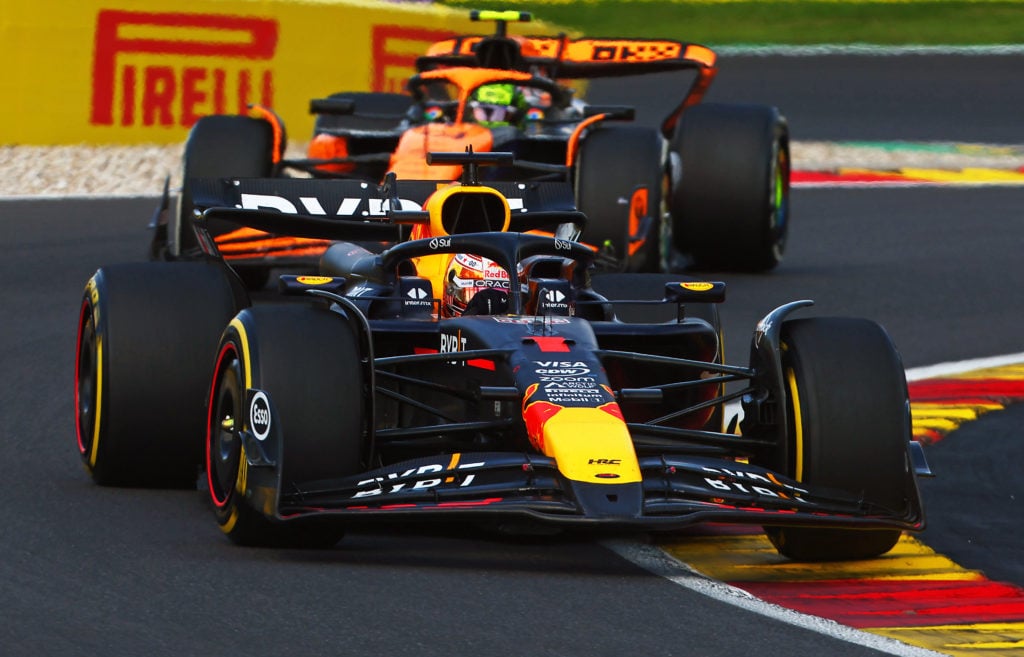
Red Bull set to lose out amid car problems
The other big loser is Red Bull, who will be allocated the least amount of wind tunnel and CFD time at a time when they are struggling for performance on track.
Red Bull advisor Helmut Marko has said that there will be no ‘big solution’ for the team at Zandvoort after they struggled with severe tyre degradation at the Belgium Grand Prix.
READ MORE: Everything you need to know about Red Bull Racing from engine to Ford links
Technical director Pierre Wache has explained there are three key reasons why Red Bull has struggled to add performance to the RB20 this year, with one of them being down to the ATR restrictions impacting their wind tunnel time.
There is also a correlation issue between simulations at their Milton Keynes factory and what is happening on the track, causing further problems when they try to optimise new parts for performance.
The latest ATR reset will likely impact Red Bull even more as the season progresses and they attempt to defend their Constructors’ Championship crown from McLaren.
Receive exclusive F1 news and updates twice a week to your mailbox