Lando Norris
 McLaren
 Mercedes
 Red Bull
 Ferrari
 Williams
 Racing Bulls
 Aston Martin
 Haas
Haas Alpine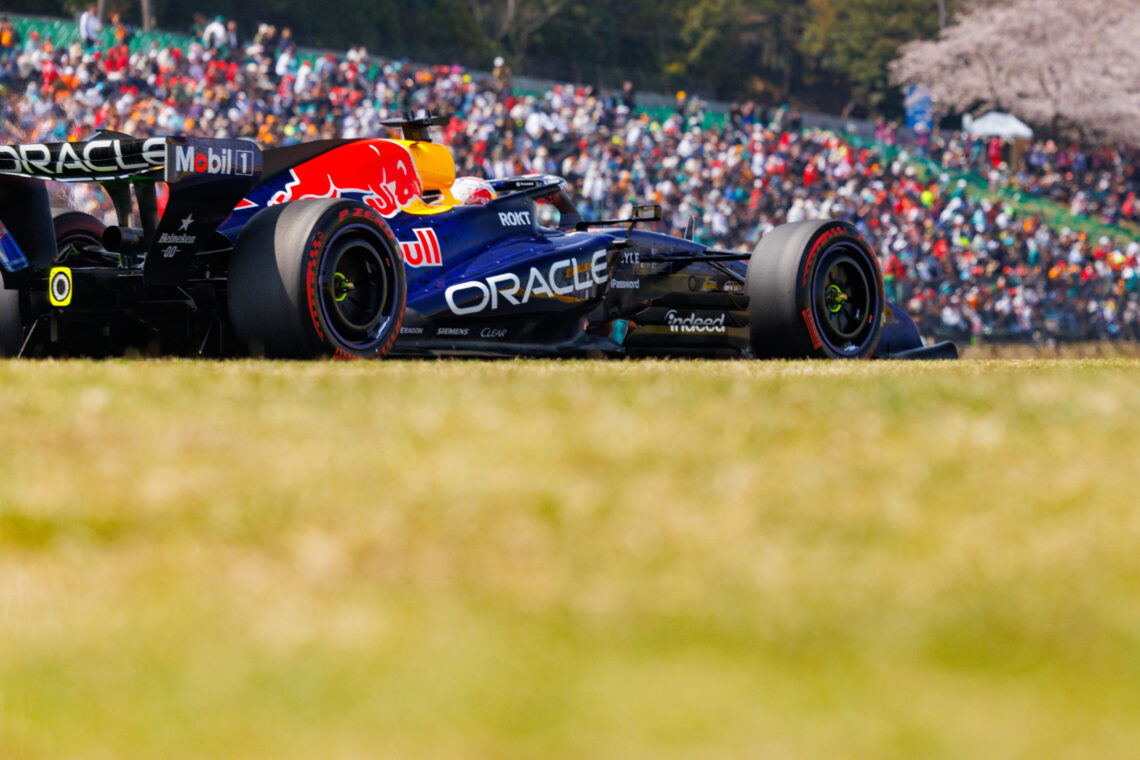


Red Bull face a long road to recovery in 2026 after making the drag levels of the RB22 too much of a priority when they designed Max Verstappen and Isack Hadjar’s F1 car.
Formula 1 introduced its biggest regulatory overhaul in history this year, having changed the aerodynamic and chassis regulations on top of the new engine formula. The new power unit rules were expected to be the biggest issue for Red Bull, as they are now a PU manufacturer.
Yet Red Bull think their 2026 F1 engine is on par with Mercedes’, which is widely regarded as the benchmark PU this year. Instead, the efforts of those working under Red Bull’s technical director Pierre Wache have been the biggest problem to emerge after the first three rounds.
It has even been suggested recently that Wache’s position at Red Bull is now at risk amid the team’s worst start to a season since 2008. Verstappen has even recorded his worst start to a season since his rookie campaign for Toro Rosso in 2015, having only scored 12 points so far.
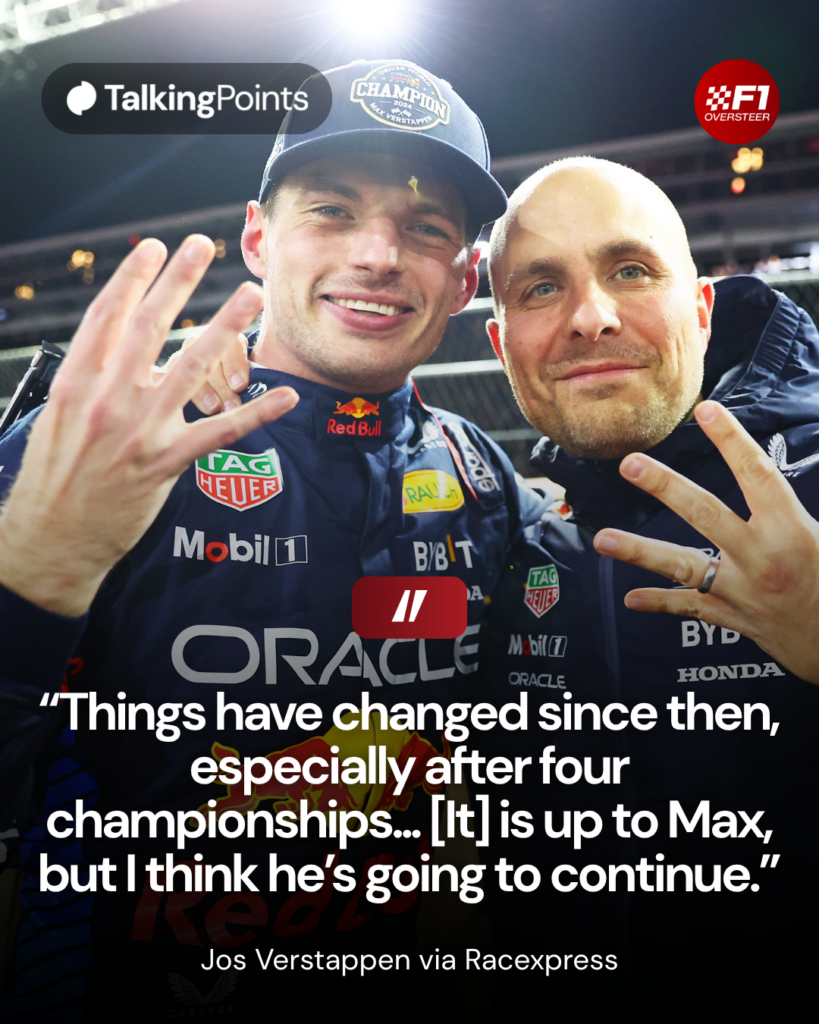
Jos Verstappen doubts Max Verstappen will leave Red Bull because of Gianpiero Lambiase’s departure like he vowed in 2021 – Who do you think should replace GP?
Red Bull are paying the price for focusing too heavily on reducing the RB22’s drag levels
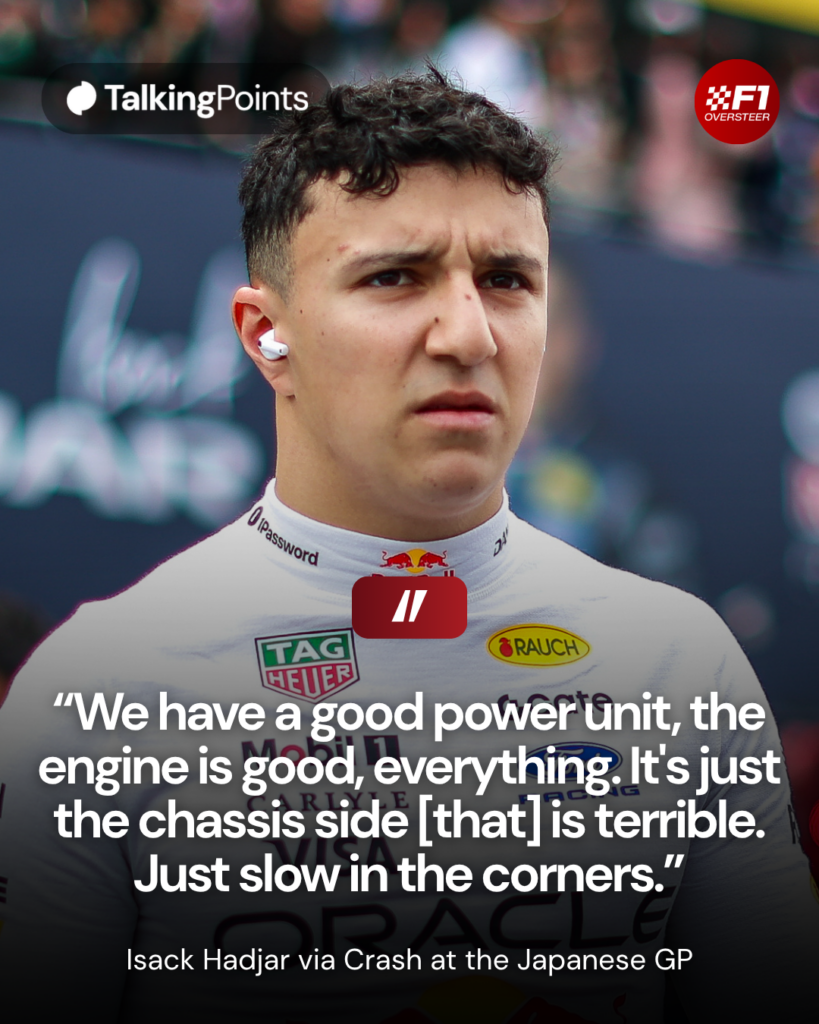
Verstappen branded the Red Bull RB22 “undriveable” in Japan after he failed to reach Q3 at Suzuka for the first time since 2015. The RB22’s extreme balance problems even saw Hadjar brand Red Bull’s chassis “terrible” in Japan, as the car lurches from understeer to oversteer.
READ MORE: All you need to know about Red Bull Racing from engine to Ford links
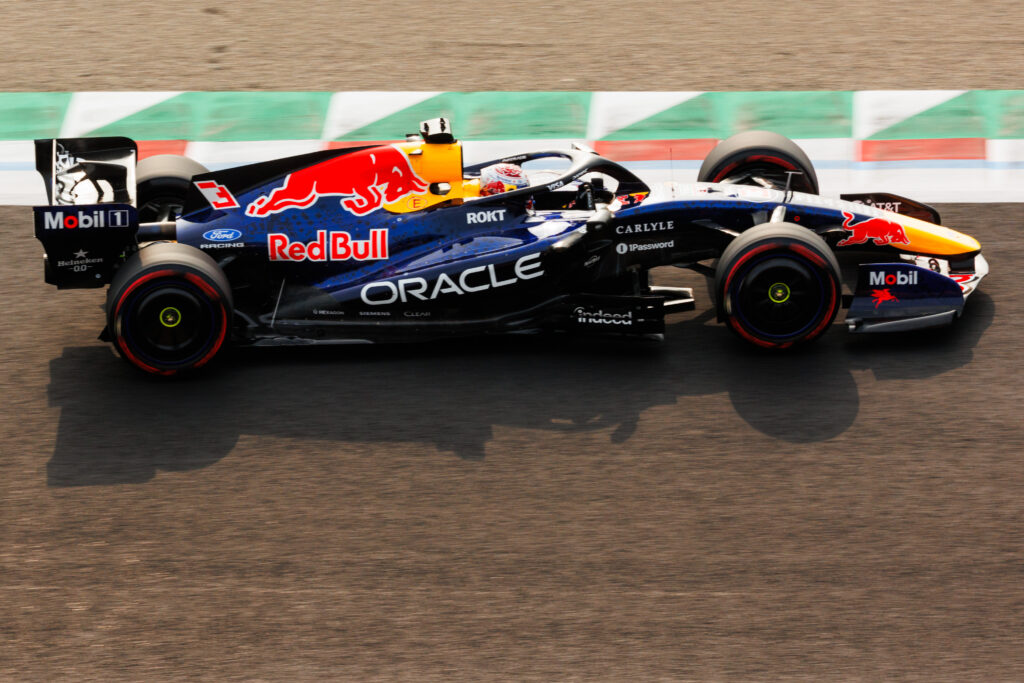
One aspect that is not a problem for Red Bull is their top speed, as Motorsport.com reports that the RB22 was one of the fastest cars in a straight line in Australia, China and also Japan. Yet their sister crew Racing Bulls have generally only been in the middle of the speed charts.
Racing Bulls make up most of their lap times through how the VCARB 03 acts in the corners, which helps to highlight the Red Bull RB22’s overall lack of downforce and how they wrongly prioritised a low drag concept from the start of the design process of their 2026 challenger.
Isack Hadjar blames Red Bull’s chassis for their poor start to 2026 – Are you surprised that their engine has not been the biggest issue?
Now, Red Bull face a long road back to the top, as the Milton Keynes natives need to resolve their ‘fundamental’ issues – like the lack of downforce and a concept focused too heavily on reducing drag – before they might consider Verstappen or Hadjar winning a race this season.
The signs that Red Bull have focused on reducing the drag of the RB22 have also been there since pre-season testing in Bahrain. Red Bull significantly reduced the RB22’s drag with new sidepods in Bahrain, and the first three races have shown the car has other major problems.
Verstappen and Hadjar regularly lamented the RB22 at the Japanese Grand Prix, as Red Bull failed to find a way to improve how the car behaved in the turns. Verstappen was frequently fighting to turn his car in due to the understeer, and then fighting to keep it in a straight line.
Receive exclusive F1 news and updates twice a week to your mailbox