Lando Norris
 McLaren
 Mercedes
 Red Bull
 Ferrari
 Williams
 Racing Bulls
 Aston Martin
 Haas
Haas Alpine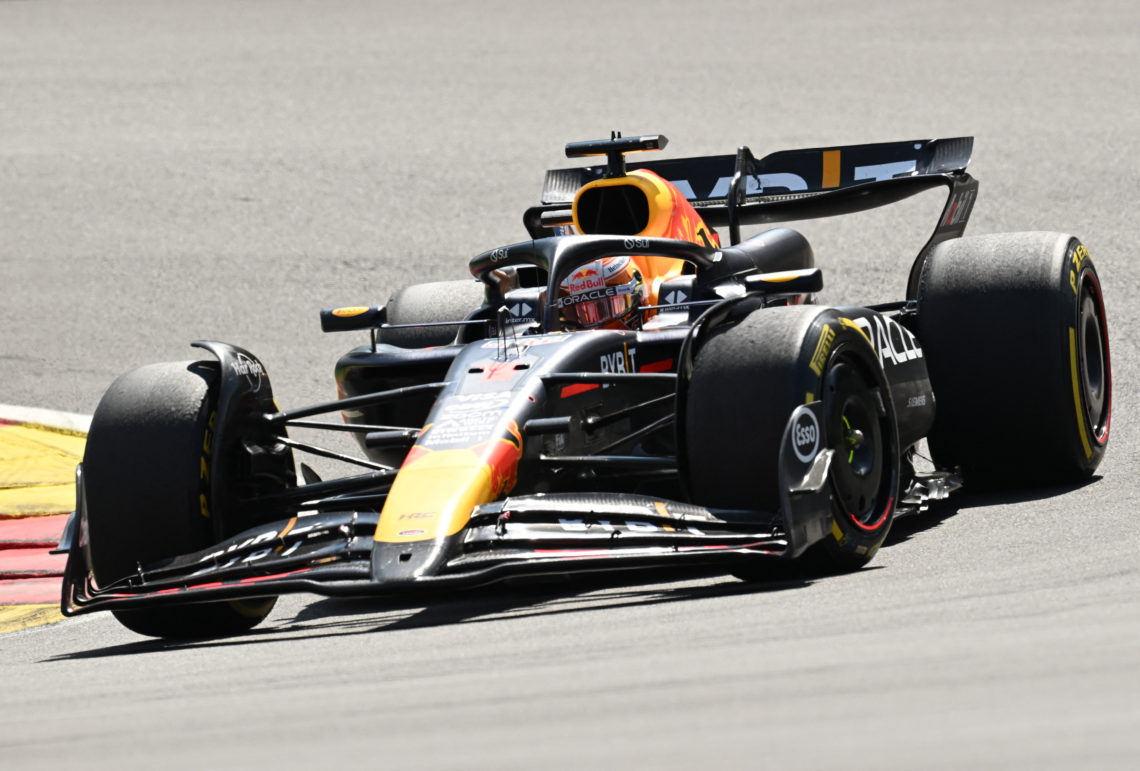


Red Bull is facing its first development race since the start of the current set of regulations after rivals appeared to overtake them before the summer break.
The team achieved one-two finishes with Max Verstappen and Sergio Perez in three of the first four races, but now Red Bull has failed to win a race since the Spanish Grand Prix in June.
Their most recent defeat at the Belgian GP saw Perez drop from a front-row start to seventh place after he complained about the car balance and tyre degradation, while Verstappen also failed to progress from 10th on the grid having previously gone from 14th to the lead after 12 laps at the same circuit.
The RB20 is an evolution of one of the most successful F1 cars in history, but now Red Bull is starting to realise the limitations of that car design with its latest upgrades.
Red Bull has been accused of breaking the ‘golden rules’ of this generation of cars by piling on downforce at the expense of a stable aerodynamic platform.
Discussing where the team has gone wrong with this generation of cars on The Race YouTube channel, journalist Edd Straw believes there is one area of car development that is causing them problems.
Red Bull’s car simulation problem
Red Bull’s Pierre Wache has previously identified why the team has struggled to produce effective upgrades for their current car, attributing it largely to the aerodynamic testing restrictions teams are bound to conform to in the current ruleset.
F1 teams often use simulation tools to test out upgrades before they reach the track, and Straw believes there is a mismatch between the data being produced at their facilities in Milton Keynes and when the parts are being fitted to the car.
“Last year or even earlier this season, Red Bull could raise the ride height and give away a little performance to improve the ride, but now it needs to leak out all the downforce it can,” said Straw.
“That can make the car tricky to drive and become a major performance limitation at tracks that are bumpy like Monaco or those with plenty of kerb riding. It also proved to be a car that hadn’t made the expected gains in fast corners based on what the simulation data suggested, pointing to a correlation problem.”
Red Bull’s current problems exposed in Hungary
Many of the problems facing Red Bull with the current specification of their RB20 were on display at the Hungarian GP.
The team brought a new higher downforce specification of the car, but it still produced the bouncing problems often faced by teams when they run their cars with a low ride height.
READ MORE: Everything you need to know about Red Bull Racing from engine to Ford links
Red Bull intends to run this new specification at other tracks with higher downforce, although team advisor Helmut Marko has warned that they do not expect it to provide a ‘big solution’ to their problems.
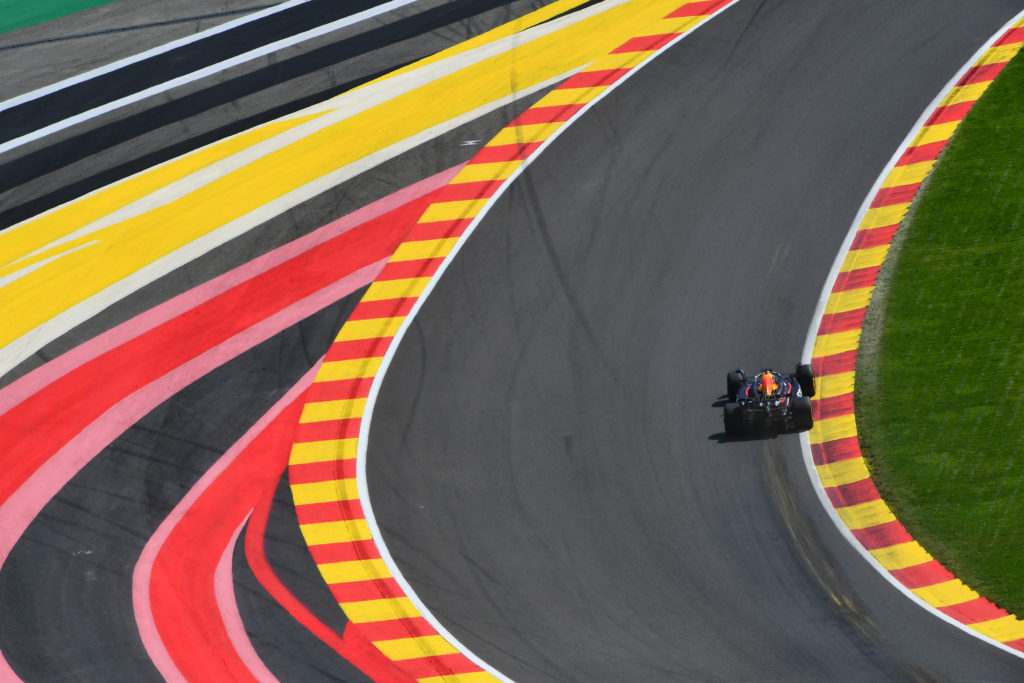
A Spa Francorchamps, Red Bull could counteract this by leaning on another strength. Verstappen was very fast in the corners, it was a direct consequence of the aerodynamic efficiency that enabled them to run more downforce than other teams without losing out on straight-line speed.
Receive exclusive F1 news and updates twice a week to your mailbox