Lando Norris
 McLaren
 Mercedes
 Red Bull
 Ferrari
 Williams
 Racing Bulls
 Aston Martin
 Haas
Haas Alpine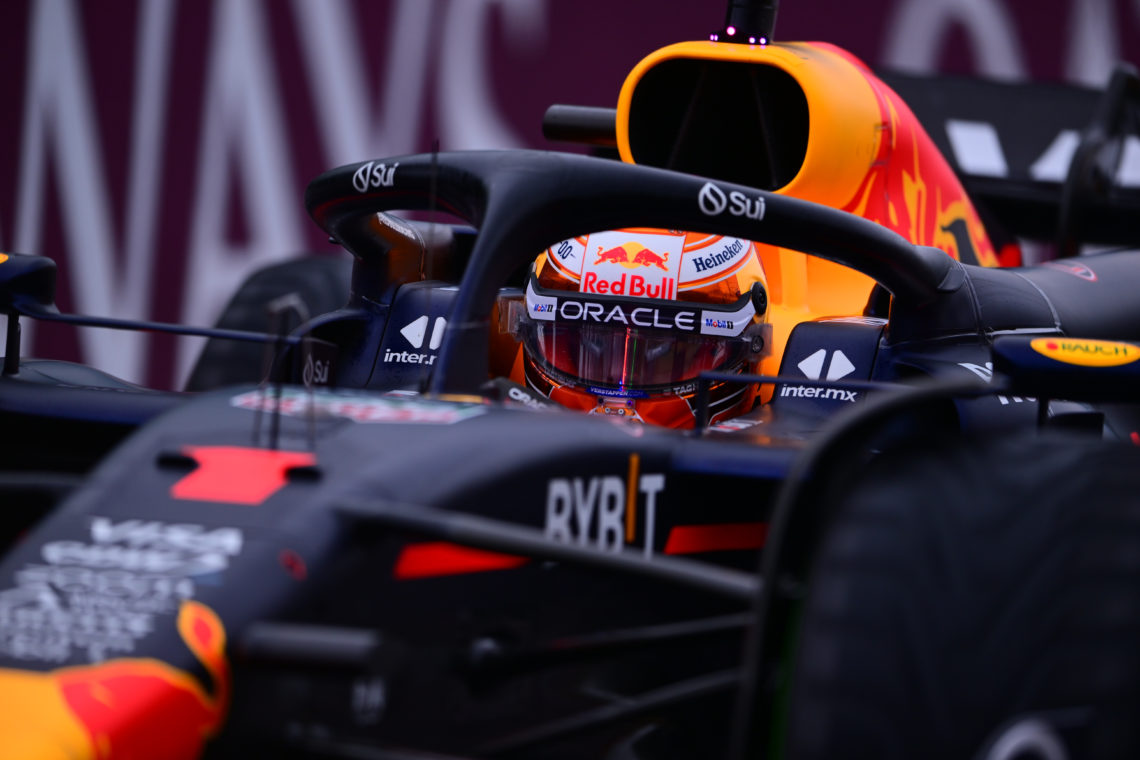


Red Bull went into the 2024 Formula 1 season with high expectations off the back of producing one of the most successful cars of all time last year.
The RB19 achieved an impressive feat by winning 21 out of 22 races in the season, leading to questions over whether Red Bull would achieve the same this year with the RB20.
Initially, they got off to a good start with Max Verstappen winning five of the first seven races of the season alongside one-two victories in the first three Grands Prix with Sergio Perez.
As the season progressed and teams began to bring more upgrades to their cars, Red Bull came under threat. Not only had McLaren and Mercedes brought more effective upgrades, but Red Bull have failed to meet their performance targets.
The upgrades have even hurt Perez’s performance, with Red Bull rumoured to be considering reverting to an older-spec car in future to help improve his performance on the track.
Red Bull technical director Pierre Wache identified the main reason why the team has found updating the RB20 more difficult compared to previous years when speaking to Autosport.
Pierre Wache explains why Red Bull RB20 is more difficult to upgrade
The radical design taken on by Red Bull was somewhat of a risk considering they had a proven package the year before, but the team knew they had to produce an evolution of the RB19 to stay ahead of the competition.
The current generation of cars is very sensitive to ride height. If you run the car too low it can make the car too unstable in the high-speed corners, while too high and it will produce bouncing which affects driver confidence.
The team has always had a stable aero platform, but with recent updates to the RB20 they were found to have broken this ‘golden rule’ of the ground effect cars. Red Bull even brought six different configurations of floor design in an attempt to rectify its problems, but so far it has proven ineffective.
Wache explains why the upgrades have not produced the expected results, tracing it back to a combination of factors that can affect their parts output.
“We are using quite an old wind tunnel and it can also be linked to the reduced capacity due to our position in the championship [with the aerodynamic testing restrictions] and maybe also the fact that this is the third year with this type of regulations.”
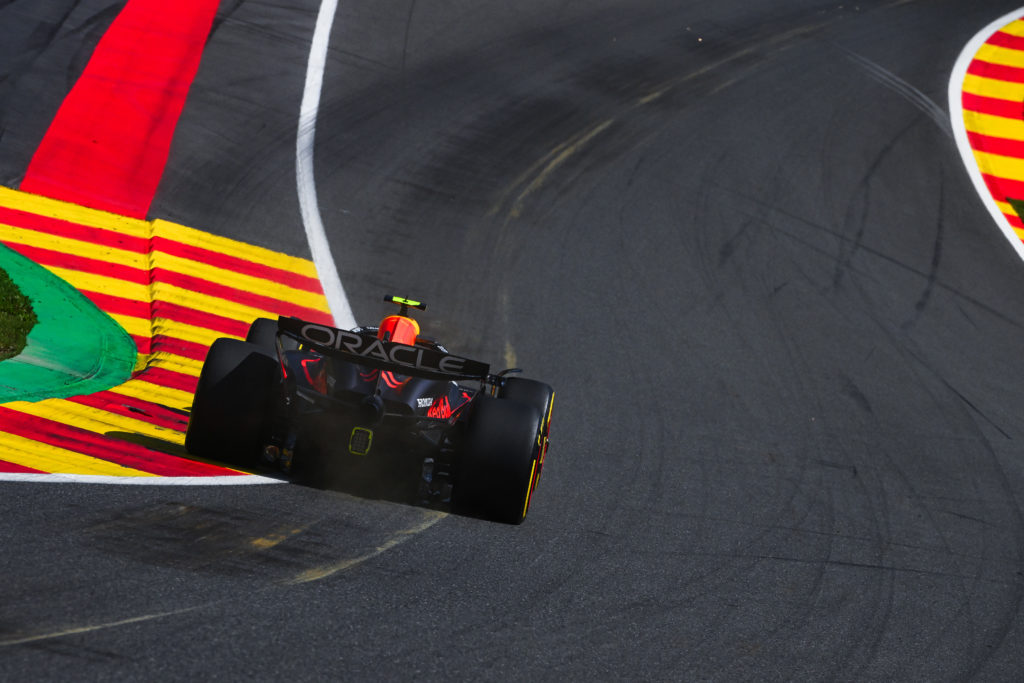
Red Bull is among the teams with the lowest wind tunnel time
F1’s aerodynamic testing restrictions were brought in during the 2021 season, which effectively creates a handicap for the most successful teams in a bid to keep the field more competitive.
It is reset every six months with allowances from January to June based on the previous year’s Constructors’ Championship, with it adjusted to the current year from June 30th.
READ MORE: Everything you need to know about Red Bull Racing from engine to Ford links
Red Bull currently leads the championship by a considerable margin over McLaren, meaning they will have the least amount of wind tunnel and computational fluid dynamics usage available.
This means there is less opportunity for Red Bull to test various parts for verification in the wind tunnel before they are put onto the car.
The team also had an extra handicap last year due to the outcome of their breach of the cost cap rules in 2021, meaning even less time was spent developing their car for this season.
Receive exclusive F1 news and updates twice a week to your mailbox