Lando Norris
 McLaren
 Mercedes
 Red Bull
 Ferrari
 Williams
 Racing Bulls
 Aston Martin
 Haas
Haas Alpine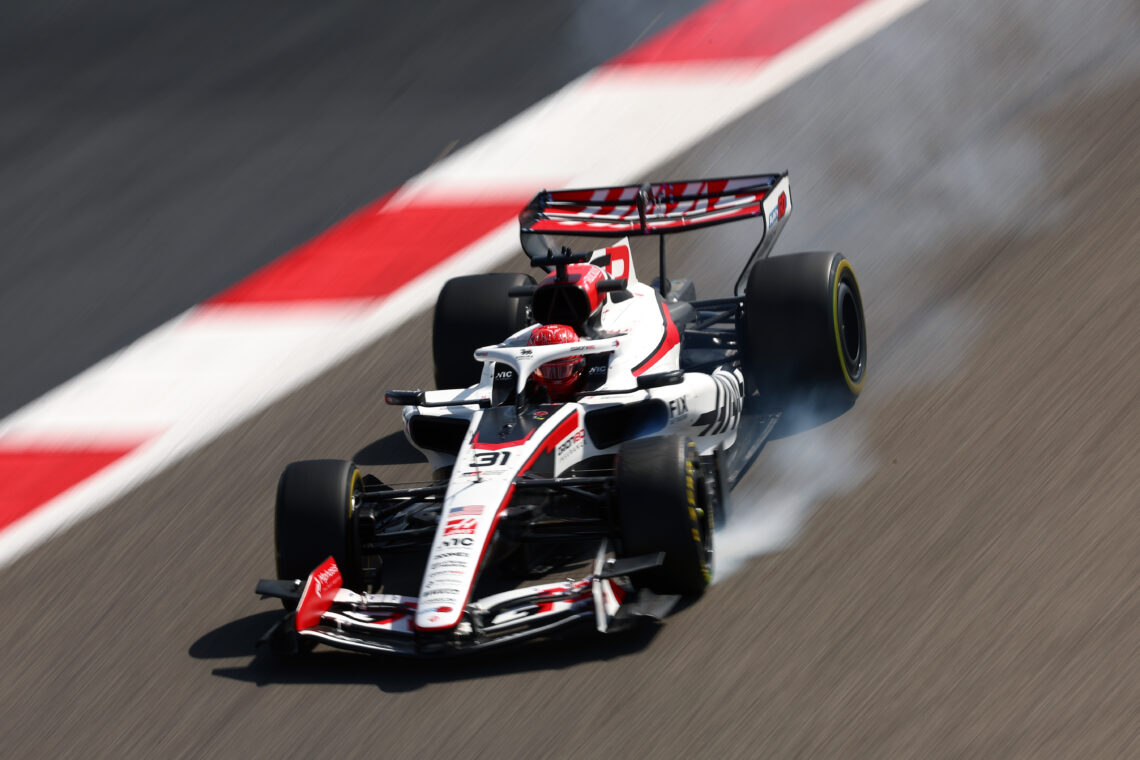


Pre-season testing in Bahrain is well underway, but fans are still waiting for televised coverage of the cars on track to begin.
F1’s first pre-season test in Bahrain will only feature one hour of coverage per day, limiting how much action fans can consume of each team’s brand-new cars.
Formula 1’s new regulations present a whole host of different challenges for each of the 11 manufacturers.
First impressions of Audi’s new sidepod concept? 🤔
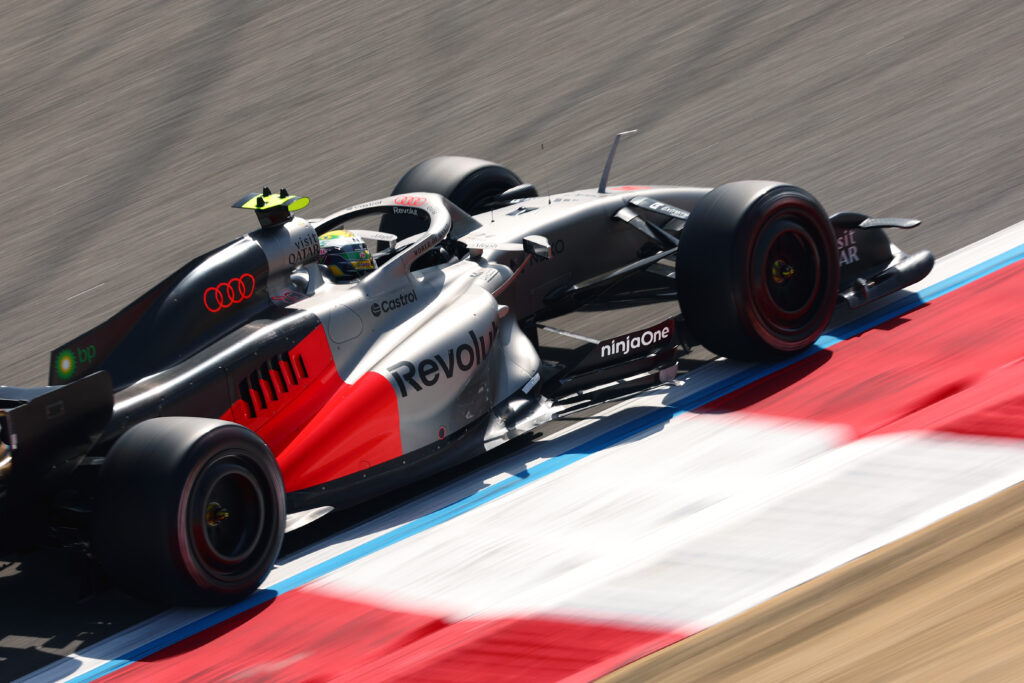
The new hybrid power units have been at the centre of plenty of controversy already, while the new active aerodynamics give the cars a distinct look from last season.
There’s going to be a lot for fans to learn about how racing works under Formula 1’s new regulations, with the introduction of new terms such as overtake mode, straight line mode and a boost button available to each driver every lap.
Damon Hill has reacted to some information coming out during testing in Bahrain that’s already causing plenty of confusion.
It’s going to make watching F1 for casual fans far more difficult than last season.
READ MORE: Five key things to know about F1 testing including why cars use flow-vis paint and aero rakes
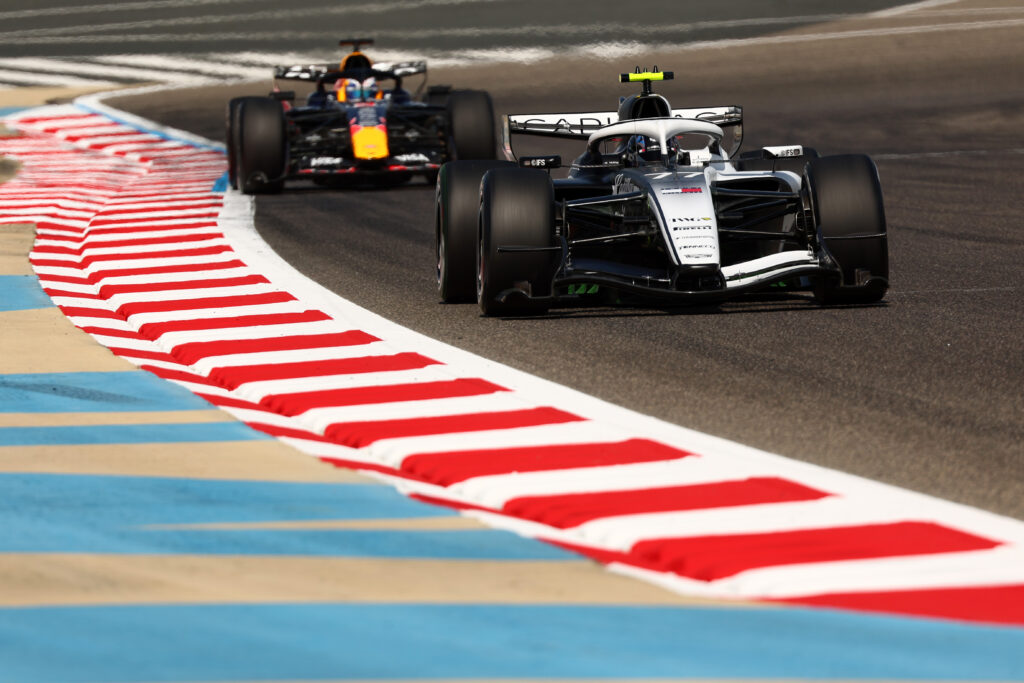
Damon Hill highlights the complexity of F1’s new ‘straight mode’ and overtake mode’ during Bahrain testing
Journalist Jon Noble shared on social media a directive from the FIA sharing the various zones set out for the Bahrain Grand Prix circuit.
He explained: “We’ve got a first look at how all the different zones will be defined at #F1 events by the FIA.
“Bahrain track map shows: Overtake (OT) detection/activation zone – in green. Straight Mode (SM) activation normal in red. Straight Mode activation low grip (SM Low Grip) in blue.”
Hill replied on X to the information with an Austin Powers reference and asked: “Whoopdidoo Basil! But what does it all mean?”
There were plenty of replies to Hill on social media that echoed his thoughts.
Who is your dark horse for the 2026 F1 title? 🥷
Let us know in the comments below!
One fan said: “Whatever happened to just driving really fast on the ragged edge?”
Another comment read: “It means that F1 has been destroyed and replaced by Scalextric.”
“It feels like I’m going to need a degree to understand F1 in 2026,” said another reply.
One comment suggested: “I think drivers should be controlling active aero wherever they want to – not the FIA. Let’s trust the drivers to know what is fastest and how to maximise the effect.”
READ MORE: Red Bull U-turned on Mercedes engine trick after spotting one thing in Barcelona shakedown data
Formula 1 must work out how to display different modes to fans before the Australian Grand Prix
Complex new rules seem to be a part of every regulation change in Formula 1, but there’s a risk that the different modes associated with the 2026 cars could become a real problem.
Lewis Hamilton has struggled during day one of testing with the braking of the new cars, but he’s not alone in facing that issue, with Max Verstappen and Valtteri Bottas among those also going off track.
It appears as though the battery recharge element of these new cars is making it difficult for drivers to spot their braking points.
Drivers will arrive at corners at the end of long straights at inconsistent speeds based on when they deploy boost mode and overtake mode, but, more importantly to fans, explaining this phenomenon is not going to be easy.
DRS has been removed, but fans want battery levels to be displayed on screen, even if teams would rather hide that information from their rivals.
Batteries could be depleted and recharged several times every lap at some circuits, which would make tracking this information even more confusing.
Casual fans are not going to know where ‘straight mode’ and ‘overtake mode’, as the FIA describes them, begin and end, which could make some overtakes very hard to explain.
Receive exclusive F1 news and updates twice a week to your mailbox