Lando Norris
 McLaren
 Mercedes
 Red Bull
 Ferrari
 Williams
 Racing Bulls
 Aston Martin
 Haas
Haas Alpine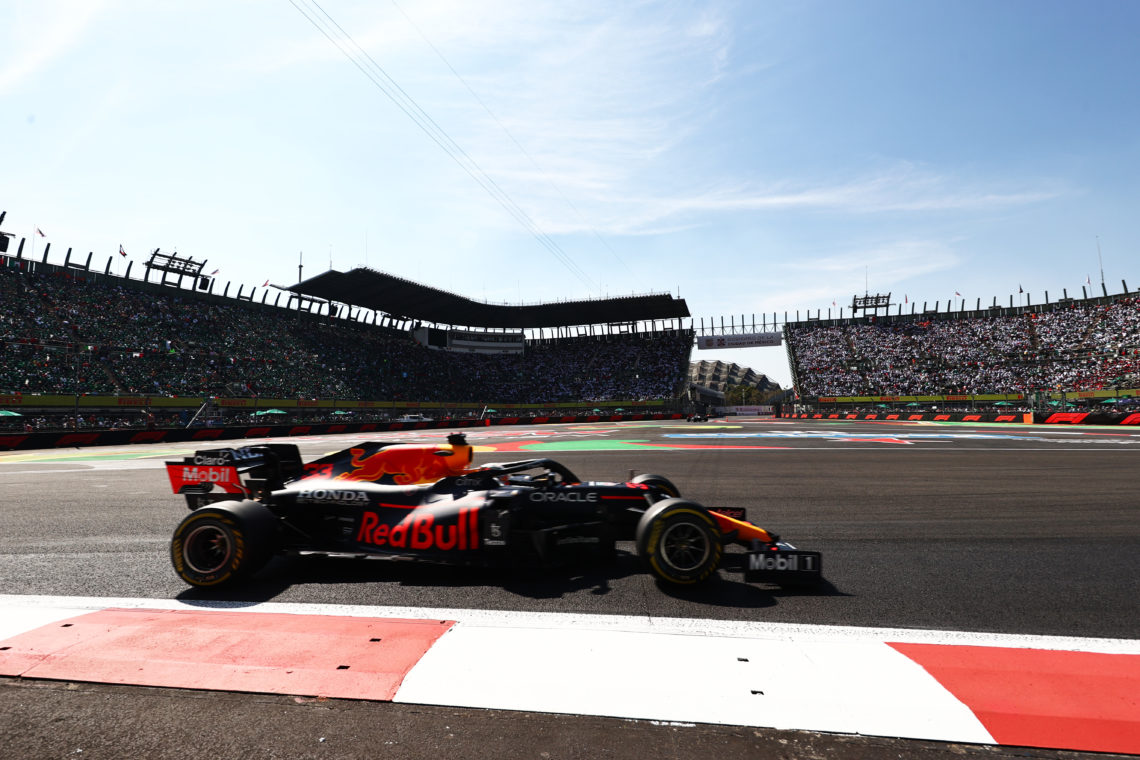


The Mexico City Grand Prix debuted on the F1 calendar in 1963 as the Mexican Grand Prix and has seen a host of teams win, so who are the most successful crews to date?
While the race at the Autodromo Hermanos Rodriguez fell off the schedule between 1971 to 1985 and then again from 1993 until 2014, a clutch of teams have found the keys to success. Jim Clark and Graham Hill also helped Lotus to win three of the first six official editions.
F1 first adopted the Mexican GP name in 1962 for a trial race as Clark and Trevor Taylor won with Lotus. Clark then reached the top of the podium alone in 1963 and made Lotus the first team to win a Mexican GP. Red Bull also won the first running as the Mexico City GP in 2021.
Lotus won the first Mexican Grand Prix with Jim Clark in 1963
Clark dominated the 1963 Mexican Grand Prix to get Lotus off to a strong start at the circuit then named the Magdalena Mixhuca. The Briton got pole position by a massive 1.7 seconds to John Surtees before winning by 101.1s over Jack Brabham and set the fastest lap, as well.
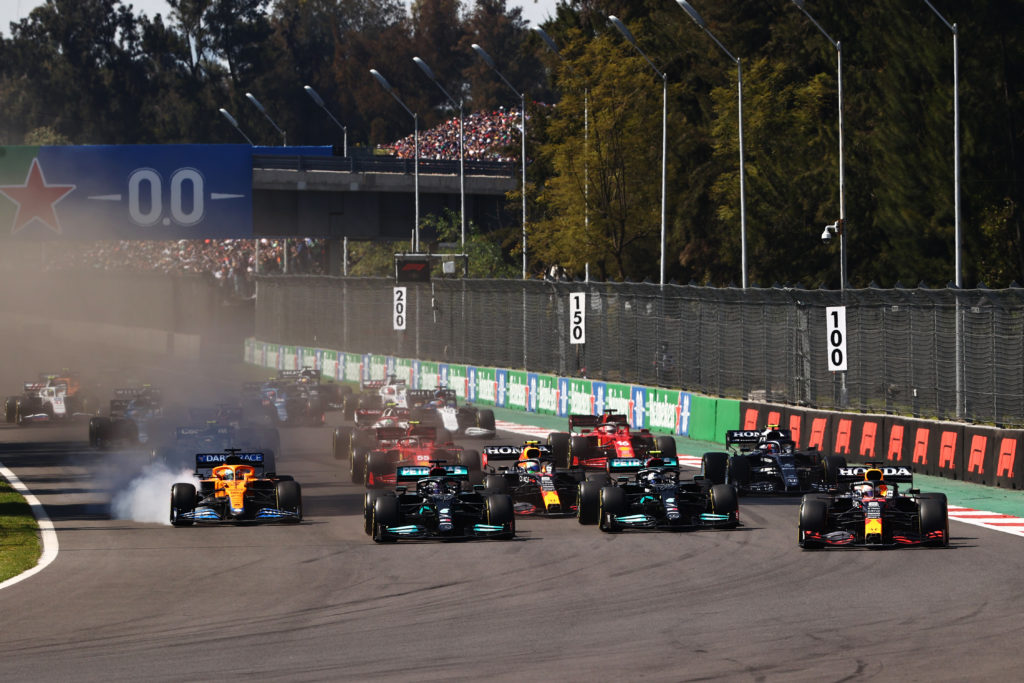
Red Bull did not dominate the weekend at the first running as the Mexico City Grand Prix in 2021. Instead, Valtteri Bottas secured Mercedes pole position with a 0.145s margin to Lewis Hamilton and 0.350s to Max Verstappen, whose ambitious overtake returned the race win.
READ MORE: Five unforgettable Mexico City Grand Prix including Mansell vs Senna vs Prost
Verstappen utilised the slipstream along the 1,200m main straight to run side-by-side with the two Mercedes into Turn 1. The Dutchman then fired his RB16B into the corner around the outside of Bottas, who fully backed out to avoid a collision with Hamilton on the inside line.
Red Bull are the most successful F1 team at the Mexico City GP
Verstappen’s win at the first running as the Mexico City Grand Prix added to his victories at the 2017 and 2018 editions of the Mexican Grand Prix – all with Red Bull. He has also built up his reputation as the most successful Formula 1 driver in the history of the Mexican GP yet.
The Dutchman’s success at the Autodromo Hermanos Rodriguez has further made Red Bull F1’s most successful team in the history of the Mexican GP and Mexico City GP. No F1 team had won at more than three races at the Autodromo Hermanos Rodriguez before Red Bull.
McLaren are the second most successful F1 team in Mexico. Lando Norris’ 2025 rout saw him become the first driver in over 30 years to bring a winner’s trophy from The Land of the Sun back to Woking.
| WINS | CONSTRUCTOR | YEARS |
| 5 | Red Bull | 2017, 2018, 2021, 2022, 2023 |
| 4 | McLaren | 1969, 1988, 1989, 2025 |
| 3 | Lotus | 1963, 1967, 1968 |
| 3 | Williams | 1987, 1991, 1992 |
| 3 | Mercedes | 2015, 2016, 2019 |
| 3 | Ferrari | 1970, 1990, 2024 |
Honda is the most successful engine manufacturer at the Mexican GP
Thanks to enjoying heaps of success around the Autodromo Hermanos Rodriguez during the Mexican Grand Prix and during the Mexico City GP eras, Honda is the most successful power unit manufacturer in history. Honda engines also won the race across three decades to date.
But Verstappen’s 2022 victory came with a Honda power unit that was badged as a Red Bull Powertrains engine. His victory in 2023 also came with a power unit carrying both names.
It came after Honda withdrew from F1 after 2021, only for them to decide to return in collaboration with Milton Keynes in 2023, and return as a full engine manufacturer with Aston Martin in 2026.
Renault also saw Red Bull and Verstappen win the Mexican GP in 2017 and 2018 with power units from its Viry-Chatillon engine factory. But TAG-Heuer officially named Red Bull’s engine from the 2016 through the 2018 seasons after the Milton Keynes team fell out with Renault.
Riccardo Patrese and Nigel Mansell also each won the Mexican GP once when Williams used Renault engines. Ford also took multiple Mexican GP wins as an engine manufacturer during its spell funding the design, development and production of F1 engines that Cosworth built.
| WINS | ENGINE MANUFACTURER | YEARS |
| 7 | Honda | 1965, 1987, 1988, 1989, 2021, 2022, 2023 |
| 4 | Renault | 1991, 1992, 2017, 2018 |
| 4 | Mercedes | 2015, 2016, 2019, 2025 |
| 3 | Ford | 1967, 1968, 1969 |
| 2 | Climax | 1963, 1964 |
| 3 | Ferrari | 1970, 1990, 2024 |
Receive exclusive F1 news and updates twice a week to your mailbox