Lando Norris
 McLaren
 Mercedes
 Red Bull
 Ferrari
 Williams
 Racing Bulls
 Aston Martin
 Haas
Haas Alpine


Despite initially defending the new racing look this year, the FIA are now vehemently opposed to the ‘yo-yo’ style of overtaking.
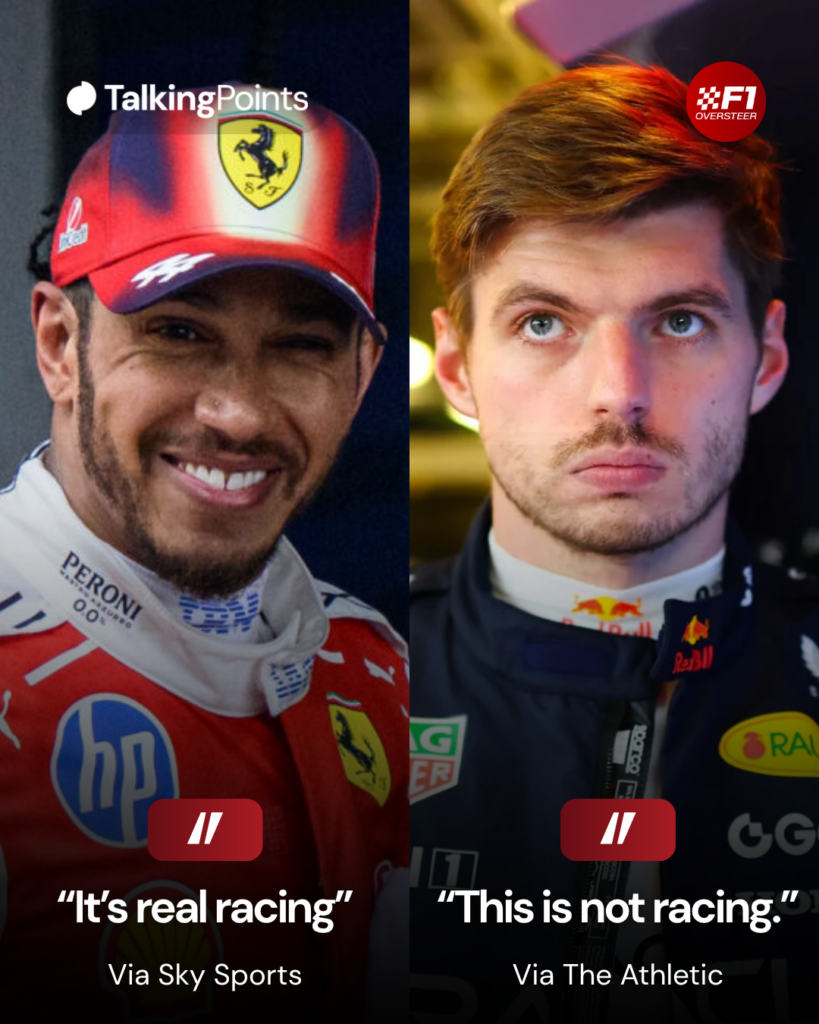
Earlier in the season, Lewis Hamilton defended the new regulations from allegations of ‘yo-yo racing,’ comparing the style of overtaking in karting.
“It happens in kart racing all the time, back and forth, back and forth. No one ever calls it ‘yo-yo racing’. It’s real racing.”
Who do you agree with more about the 2026 regulations – Lewis Hamilton or Max Verstappen?
George Russell backed Hamilton’s claims while defending the new regulations from more ardent critics, including drivers on the grid like Max Verstappen.
Verstappen’s rebuttal to Hamilton may have been heard by FIA officials, as they are now working to mitigate this style of overtaking going forward.
READ MORE: Max Verstappen’s push to change 2027 engine rules could spell disaster for all drivers going forward
FIA officials are eyeing regulation changes to prevent ‘yo-yo racing’
According to Auto, Motor, und Sport, one of the key factors when it comes to the implementation of the new regulations comes down to aerodynamics.
The FIA are reportedly looking to the combination of optimised aerodynamics to reduce drag along with the return of combustion engines to prevent ‘yo-yo racing,’ one of the biggest criticisms faced by the current ruleset.
However, the concern among several manufacturers is that team engineers consistently manage to find ways to increase downforce during the season, thus nullifying their efforts.
And even with talk of a return to combustion engines, the reliance on battery power is considered a ‘fundamental principle’ in the current generation of Formula 1 cars, which will undercut the overarching aim of the FIA.
Whether any significant changes come to the current ruleset or the new ruleset introduced at the start of the 2030s is a question that is yet to be answered.
READ MORE: Mark Webber believes Red Bull’s rivals know it’s ‘important’ F1 stops Max Verstappen from leaving
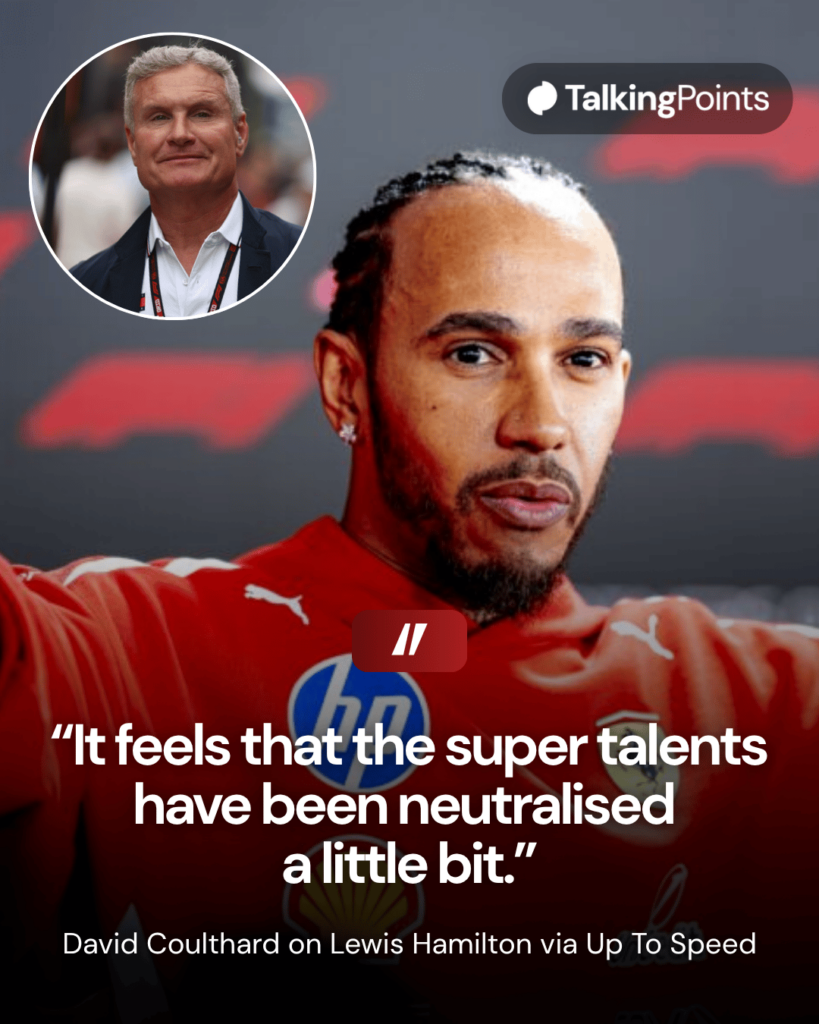
Is David Coulthard right? Are F1’s best drivers being held back by the new regulations?
Formula 1 cannot continue to see-saw on rulesets much longer
As mentioned before, Formula 1 and FIA officials were vehemently defending the new ruleset upon introduction, even when there were driver complaints.
But after three races, they amended the regulations slightly, and promised further tweaks as and when needed.
And with F1 teams eyeing a big rule change in 2028, not to mention a change in the energy deployment split coming next year, it is becoming increasingly clear that these regulations are not set in stone as some may have suggested.
It is always good to take driver complaints into consideration. But buckling so early and so easily to these complaints suggests that top officials lack conviction in the new ruleset.
On top of that, making such frequent changes, big or small, is bound to disrupt the consistency and quality of racing. This just cannot continue.
Receive exclusive F1 news and updates twice a week to your mailbox