Lando Norris
 McLaren
 Mercedes
 Red Bull
 Ferrari
 Williams
 Racing Bulls
 Aston Martin
 Haas
Haas Alpine


With the FIA conceding ground to Max Verstappen and the drivers on the engine rules, there could be a bigger disagreement on the horizon.
After months of disagreements with drivers, the FIA announced a change to the 2027 regulations as it pertains to the power split.
Perhaps no driver had been more critical of the new regulations than Max Verstappen. The four-time world champion has not stayed quiet, as Verstappen demanded a move to V8 engines in the near future.
Should F1 teams also be given extra cost cap spending room in 2027? 🤔

While some may have felt Verstappen went too hard on the new regulations, partly due to his own struggles, the recent pivot from the FIA shows that his efforts were successful.
But with the FIA conceding to driver demands this time around, there is bound to be another issue in the future where they won’t be as willing to compromise.
READ MORE: Max Verstappen and Fernando Alonso are in agreement over F1’s rule changes ahead of Miami Grand Prix
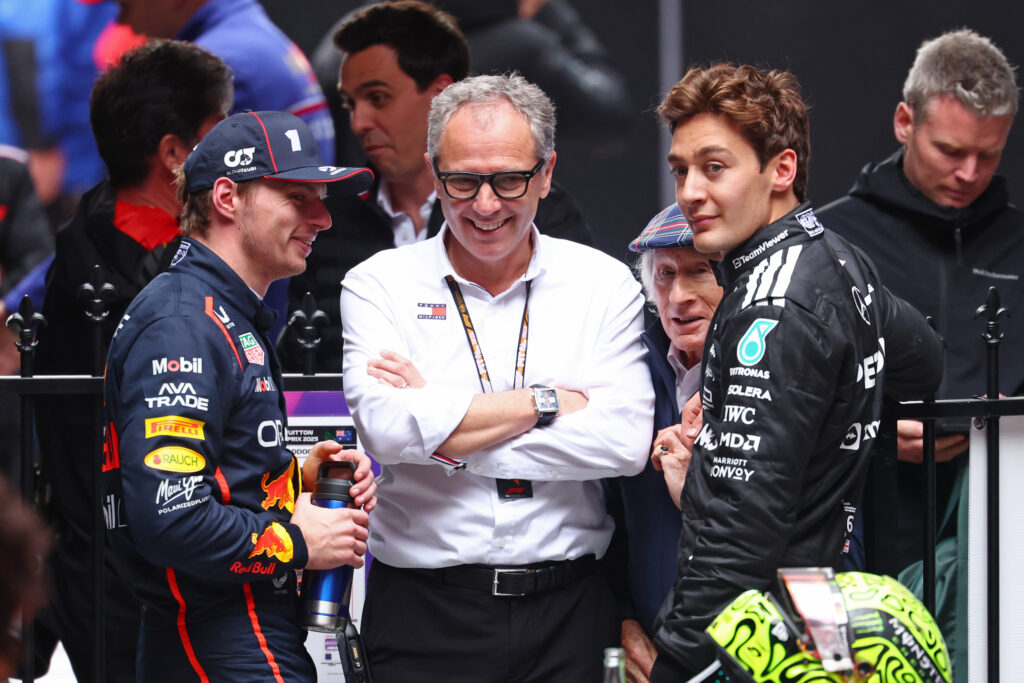
F1 officials changing the engine rules for 2027 could lead to stubbornness over future driver complaints
Since the new regulations were implemented, Formula 1 officials have consistently defended the decisions and praised the outcome of the new regulations.
Whether that be because of their earnest belief in the new regulations and how they affect racing, or because they got defensive in the face of criticism, they have backed the new ruleset vehemently.
Even in the face of driver pushback, including Max Verstappen’s retirement threat, officials insisted that they needed to stay the course with the new ruleset.
But with the recent adjustments to the new rules, along with the change in the engine power split rules for 2027, officials have formally conceded defeat against the drivers.
While they should be praised for their willingness to listen to the drivers, there is a concern that this concession could galvanise officials even further going forward.
Should there be any major driver complaints in the future about a decision being made, there is a very good chance that officials will push back and not be willing to listen to the complaints in good faith.
After all, this concession from Formula 1 officials won’t look good, given that it came after a long period of them defending the regulations and saying there were no major changes that needed to be made.
Furthermore, officials will not want to create a negative precedent of drivers believing they can complain relentlessly about a decision they make to try to force a change.
If this mindset is the one Formula 1 officials adopt going forward, we could see a situation in the future that we haven’t seen in Formula 1 in many years.
READ MORE: Martin Brundle says it’s ‘remarkable’ how much some F1 drivers have criticised the 2026 regulations
Mohammed Ben Sulayem confirms V8s/V10s will return!
Is the right direction for F1?
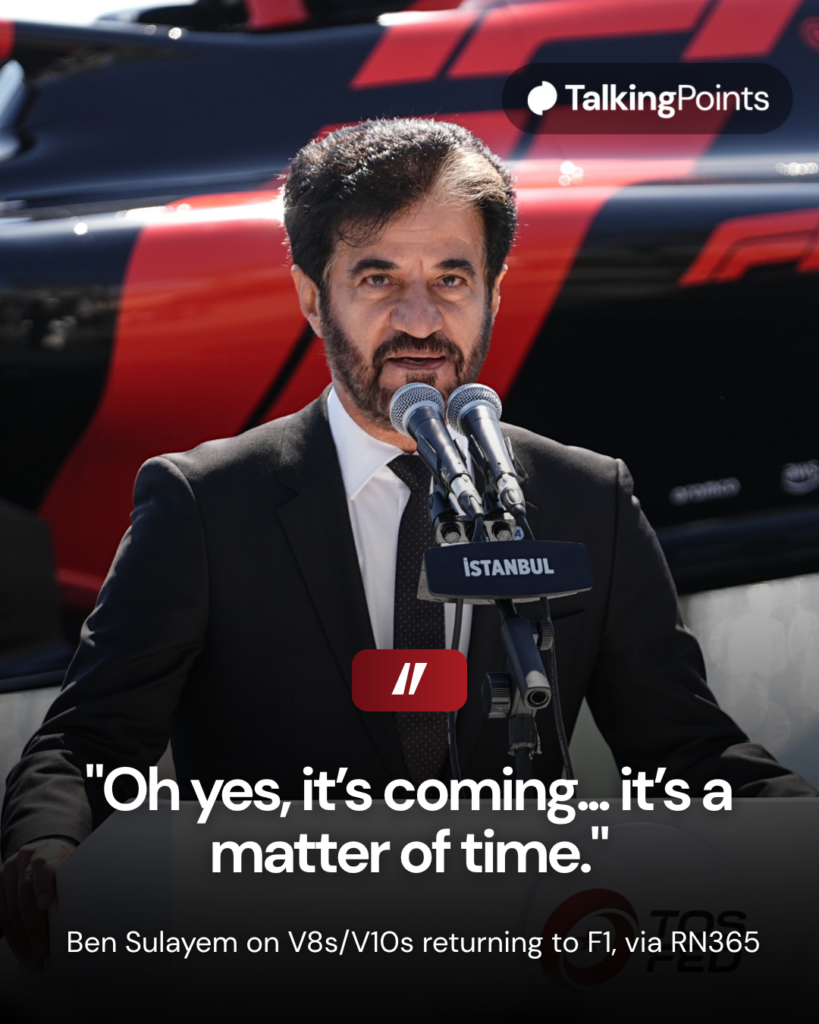
F1 officials and drivers’ union stalemate could lead to a shutout in the future
If F1 officials and the drivers’ union get to a point where neither side is willing to budge on a particular issue, we could see something we haven’t seen in over 40 years – a driver strike.
The last driver strike took place in 1982 during the South African Grand Prix, where the drivers led by Niki Lauda refused to race unless the new requirements for the superlicense were revoked.
Lauda and the drivers bested Bernie Ecclestone and got their way in the end. But the same result might not occur next time there is a driver’s strike.
We’ve seen what disputes between unions and the sporting authorities can do in other sports. A shutout could lead to a shortened season or an entirely cancelled season if the dispute is not resolved quickly.
The hope right now is that Formula 1 officials don’t see the changing of the rules as a transgression on the part of the drivers and allow there to be room for discussion and debate in the future.
Receive exclusive F1 news and updates twice a week to your mailbox