Lando Norris
 McLaren
 Mercedes
 Red Bull
 Ferrari
 Williams
 Racing Bulls
 Aston Martin
 Haas
Haas Alpine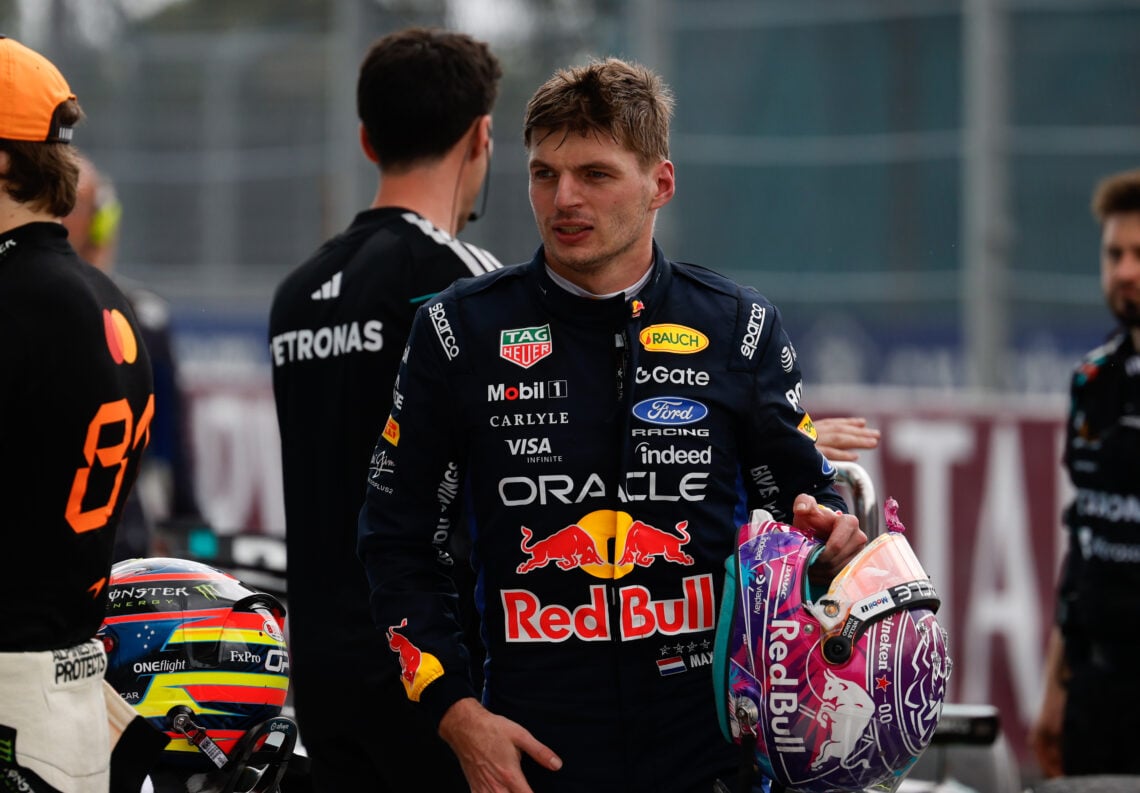


With the recent update to the new regulations, F1 teams are eyeing an even bigger change that will be music to Max Verstappen’s ears.
After much deliberation, Formula 1 made changes to the new regulations amid significant driver complaints over the last few months.
Perhaps no driver pushed harder for a change in the new regulations than Max Verstappen, who routinely expressed his frustration at the more hybridised shift the sport has taken.
Should F1 teams also be given extra cost cap spending room in 2027? 🤔

Verstappen even demanded a move to V8 engines as a way to try and get the sport back to where he feels it should be.
But when Max Verstappen hears the latest plan for the change in regulations coming in 2028, any urge to retire from the sport will quickly dissipate for the four-time world champion.
READ MORE: Max Verstappen’s push to change 2027 engine rules could spell disaster for all drivers going forward
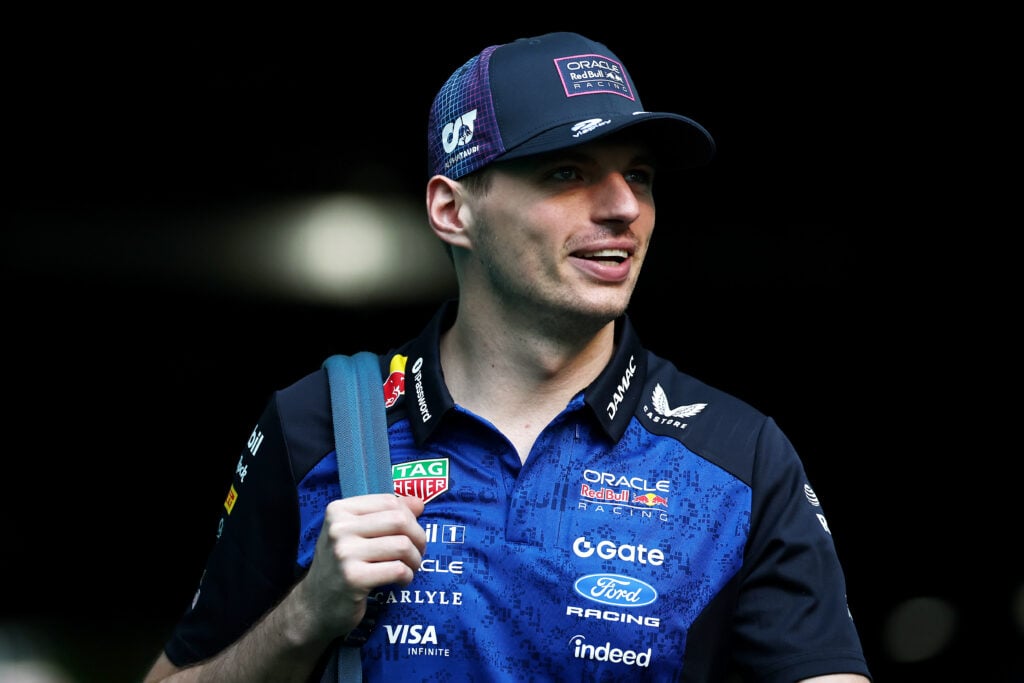
Formula 1 teams set to face ‘bigger adjustments’ heading into 2028 amid regulation changes
Speaking on Nailing the Apex, Tim Hauraney explained how the recent adjustments to the new regulations will tie into even bigger changes in 2028.
Hauraney outlined the recent adjustment and how it will impact teams heading into 2027, and more particularly, how they will balance the adjustment in energy ratio between the combustion engine and the battery even further in 2028.
“The crux of this is that they’re working their way towards 2028, and in 2028, there will be a bigger revamp of this regulation. A bigger hardware change if you will. And that will be done from the internal combustion engine.
“How are they going to do this in 2027? They’re going to increase fuel flow rates… Now the issue with that is that the fuel tanks aren’t big enough. They need to increase the size of the fuel tanks. That also creates another issue, which is the chassis itself.
“Teams don’t want to build a new one because it’s very expensive to build a chassis. So they want to leave their chassis the way they are. The only problem is, when you increase the size of the fuel tank, your chassis has to change as well, has to go through crash testing and get rehomologated.
“There have to be a lot of things that go with it… The bigger adjustment will come in 2028, where you have even more power coming from the internal combustion engine, and even less energy being pulled away from the battery.
“And you’re probably getting closer to a 70/30, maybe an 80/20 split at that point. We’ll see what 2028 brings, and that will flow you into V8 engines in 2030.”
READ MORE: Ralf Schumacher says ‘Max Verstappen is back’ after Red Bull finally gave him a ‘driveable’ car
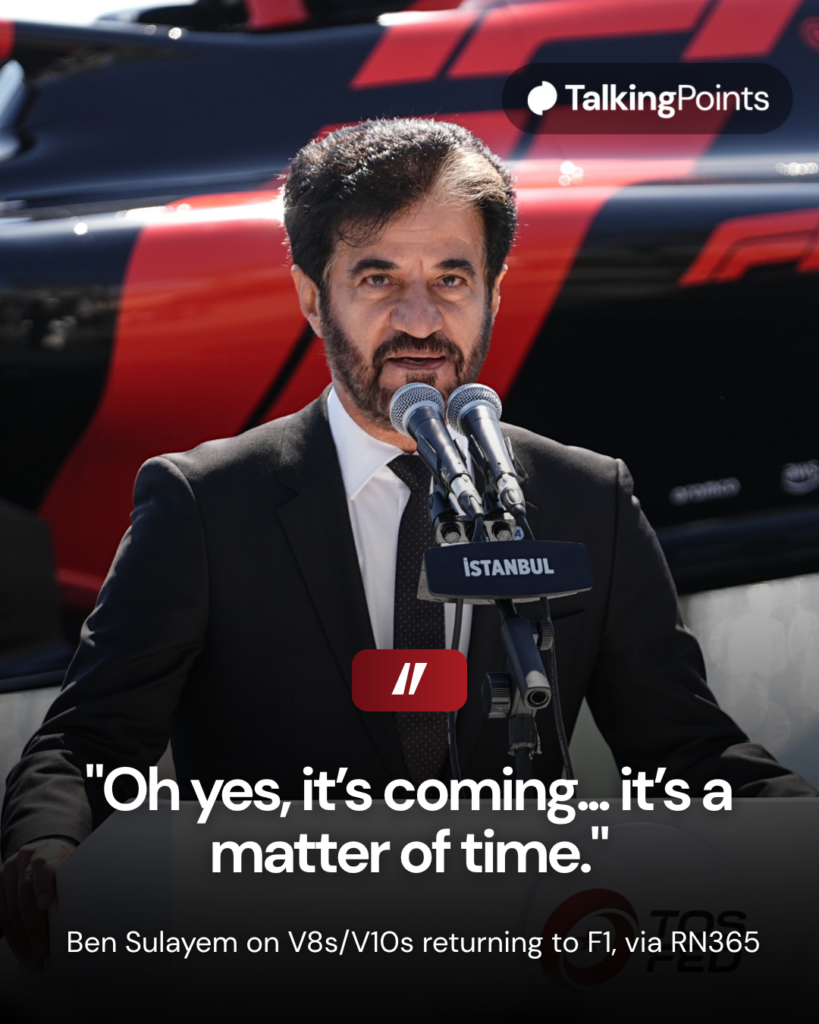
Mohammed Ben Sulayem confirms V8s/V10s will return!
Is the right direction for F1?
New engine rule changes haven’t considered software implications
Hauraney also explained that the new rules, going from a 50/50 split to a 60/40 split over the internal combustion engine and battery, respectively, haven’t looked at how the software for cars will have to be changed appropriately to implement this change.
“What they agreed upon was that they were going to decrease the amount of energy that the battery was going to be harvesting, deploying, taking in. And they’re going to increase the amount of power that is coming from the internal combustion engine.
“Instead of being a 50/50 split, it’s now going toward a 60/40 split. So 60% of the energy coming from the internal combustion engine, and 40% of the energy coming from the battery. And this should allow the drivers to get back to pushing the car, being on the limit in qualifying.
“The racing may look similar. That’s the other part of this that needs to be explored, the software side of this conversation. That’s something we’ll find out a little bit later in the season.”
While some might question how much drivers have criticised the 2026 regulations, their complaints have been valid. However, it appears the issue is that F1 officials haven’t looked too deeply into the ramifications of the adjustments they have made.
While Verstappen was positive on the recent changes ahead of the Miami Grand Prix, it is going to take a lot more than one weekend to understand what exactly needs to be adjusted.
Hopefully, in the next few races, we get a better idea of how much racing has improved with the recent changes and adjustments made to the new regulations.
Receive exclusive F1 news and updates twice a week to your mailbox