Lando Norris
 McLaren
 Mercedes
 Red Bull
 Ferrari
 Williams
 Racing Bulls
 Aston Martin
 Haas
Haas Alpine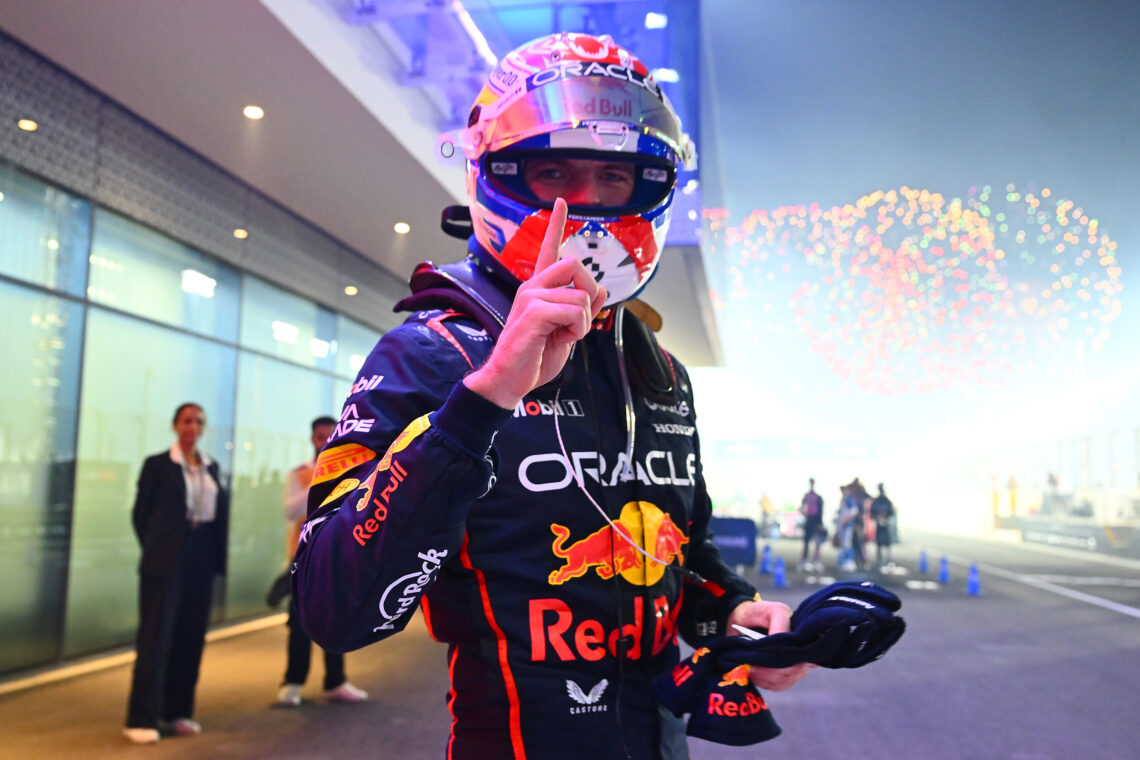


There are very few teams that are facing more question marks heading into the 2026 Formula 1 season than Red Bull.
Red Bull’s collaboration with Ford means a brand new power unit will be on the grid this year, with Racing Bulls also using their engine.
However, more intriguingly, this is the first change in regulations that Red Bull have had to tackle without Adrian Newey designing their car since their debut campaign in 2005.
As well as Newey moving on, the likes of Christian Horner, Helmut Marko, Jonathan Wheatley and Rob Marshall are among the other senior figures who have also left.
The countdown is on — which 2026 challenger are you most excited to see? 👀

Max Verstappen’s race engineer, Gianpiero Lambiase, has decided to stay at Red Bull, and the Dutchman’s working relationship with new team principal Laurent Mekies has started positively.
The other major change at Red Bull going into 2026 is on the opposite side of the garage, with Isack Hadjar promoted from Racing Bulls over the winter break.
Journalist Jon Noble has now shared why both Verstappen and Hadjar might have more reasons to be positive about the upcoming season than if you had spoken to Red Bull staff 12 months ago.
READ MORE: All you need to know about Red Bull Racing from engine to Ford links
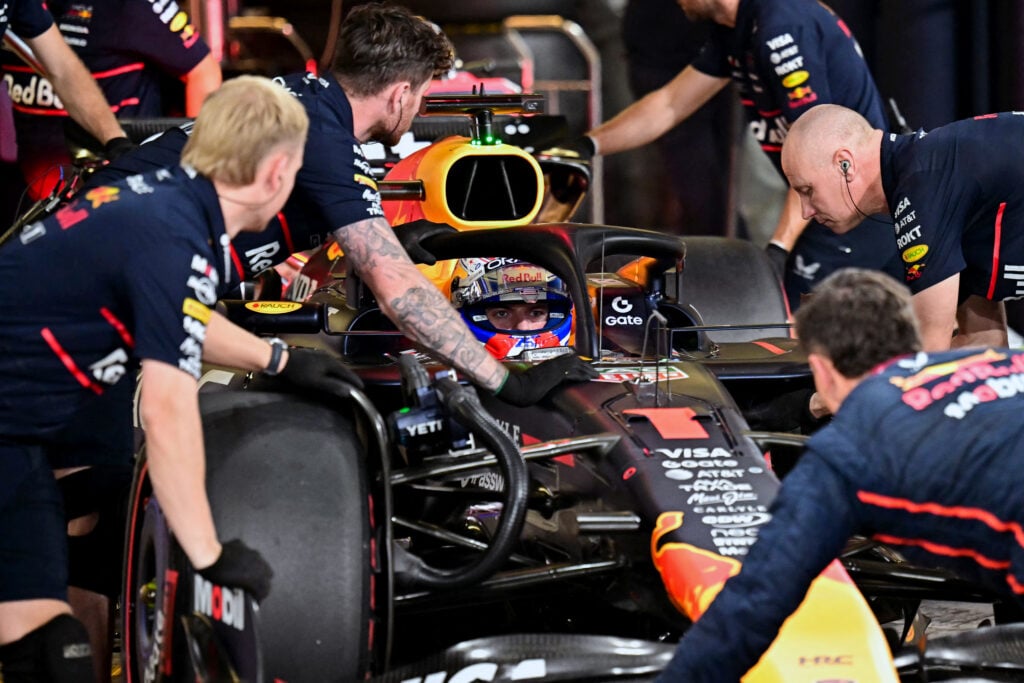
Red Bull ‘messaging’ about the 2026 Formula 1 season becoming more positive
Noble was speaking about the varying levels of confidence teams have in their power units going into 2026 on The Race F1 Podcast.
He explained: “Everyone’s predicting Mercedes to be in front, we don’t know by how much. But then, after that, you hear various stories that there is a degree of optimism from Red Bull.
“Red Bull initially, when you looked at it kind of 12 months ago or more, talk was it was going to be terrible and at the back.
“Actually, the messaging is a bit more positive. I don’t think they’re expecting to match Mercedes, but they should be up there.
“Then Ferrari, you hear stories about it’s not actually super strong. They’ve had some challenges, which they need to push on.
“Honda’s the same thing; we’ve heard that their battery element isn’t as good as others, so they may be behind.
“Audi have been playing things down. So it’s a really mixed bag, and it may be in the end we may never know that it could come down to fuel, and the fuel’s worth one, two, three-tenths per second per lap.
“Then what impact does that have on where each manufacturer stacks up? Where does this compression ratio thing, where does that fit into the bigger picture?
“What if the batteries of one power unit are worse than another, but the ICE’s better?
“I think it’s going to be really, actually quite difficult and complicated and may require even teams themselves to be scratching their heads just trying to work out what the core elements of this package are that make it good.”
READ MORE: Red Bull driver Max Verstappen’s life outside F1 from net worth to girlfriend
Red Bull poaching staff from power unit competitors crucial to 2026 hopes
Every power unit supplier has known for several years what is expected when it comes to producing their hybrid engines for 2026.
Honda have ‘growing concerns’ going into this year, which will provide some solace to Red Bull after their partnership with the Japanese manufacturer ended.
Red Bull have signed Honda and Mercedes engineers as part of setting up their Powertrains department in Milton Keynes.
That sharing of ideas could prove crucial to where Red Bull sit in the pecking order, especially as they might be one of the two teams, alongside Mercedes, who have discovered a loophole when building their engines.
Verstappen and Hadjar will soon learn where Red Bull’s car sits in the pecking order, but they might not be as far away from the front of the grid as first expected.
Receive exclusive F1 news and updates twice a week to your mailbox