Lando Norris
 McLaren
 Mercedes
 Red Bull
 Ferrari
 Williams
 Racing Bulls
 Aston Martin
 Haas
Haas Alpine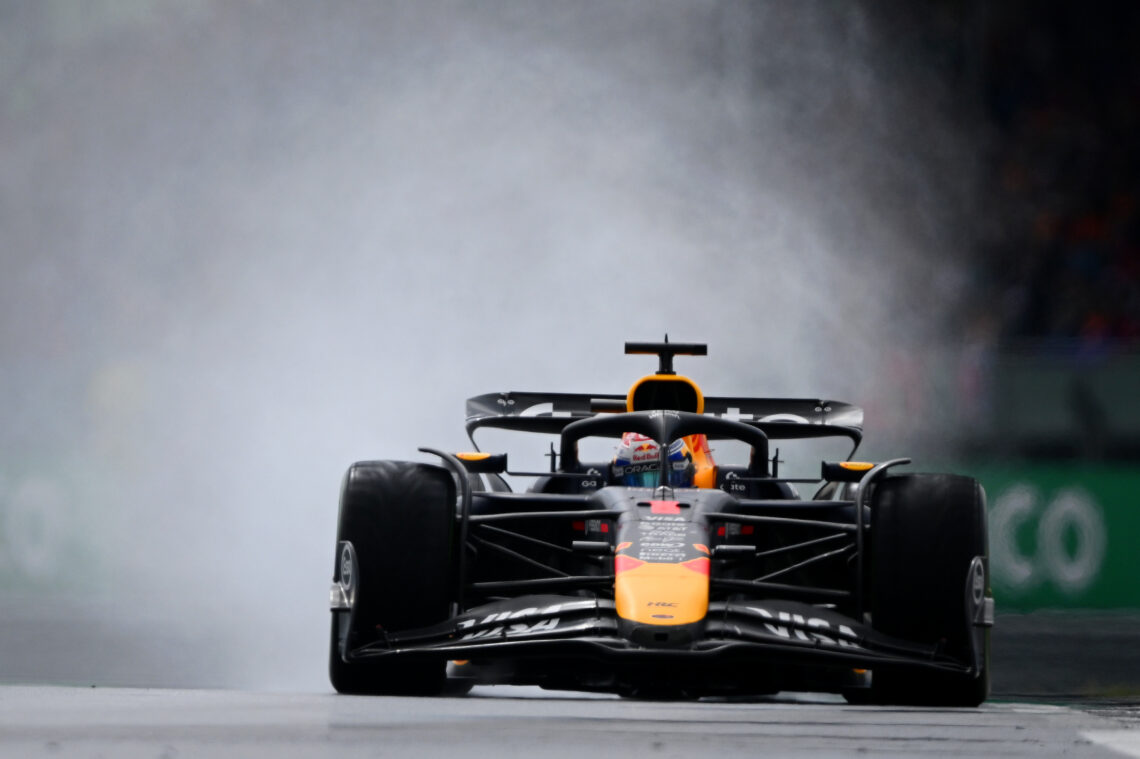


F1 starts a new era in 2026 with extensive regulation changes, not least for the engine rules, and Red Bull face an additional challenge of becoming a power unit constructor.
Red Bull spent their first 21 seasons in Formula 1 as an engine customer of Cosworth (2005), Ferrari (2006), Renault (2007-18) and recently Honda (2019-25). But Honda’s initial decision to pull out of F1 in 2020 convinced Christian Horner to create Red Bull’s own engine division.
Honda agreed to continue supplying Red Bull Racing with engines until 2025, while Red Bull Powertrains built their first power unit to debut under the 2026 F1 regulations. Horner also struck a deal with Ford for its help in battery technology while still Red Bull’s team principal.
The 2026 F1 regulations ultimately convinced Honda to pull a U-turn and recommit through an exclusive power unit supply deal for Aston Martin. F1 has removed the MGU-H to reduce costs and the complexity, as well as moving to a 50/50 electrical/combustion power output.
Does Isack Hadjar have the right mindset for his promotion to Red Bull in 2026?

Red Bull plan ‘intense’ aero upgrades to fight their F1 rivals’ stronger 2026 engines
Mercedes are widely expected to design the best 2026 F1 regulations engine, which will also be the biggest performance differentiator owing to the increase in electrical power from the previous 20/80 split that favoured the ICE. So, Red Bull have a plan to overcome any deficits.
READ MORE: Everything you need to know about the 2026 F1 engine and aero regulations
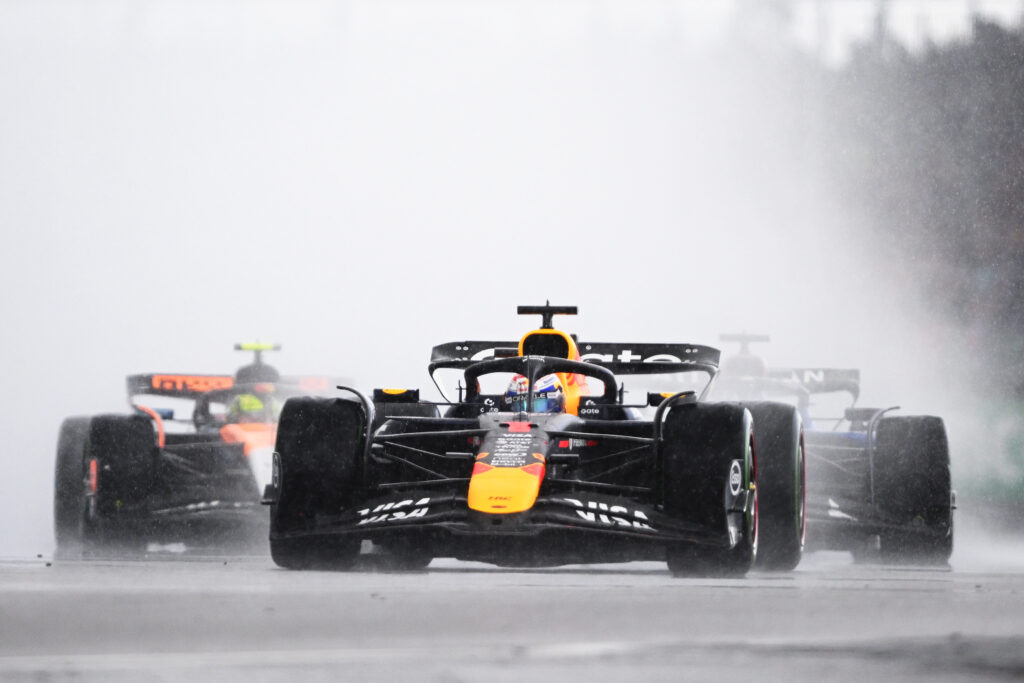
That is according to Gazzetta dello Sport, which reports that Red Bull intend to carry out an ‘intense’ aerodynamic upgrade programme at the start of the 2026 F1 season to fight their rival teams’ stronger engines. Red Bull think it can be key for Max Verstappen to fight back.
Red Bull refuse to lie down and take their punches because their engine may not be one of the best at the start of the 2026 regulations cycle. So, Red Bull will try to get a competitive advantage by refining their aero package while reliability problems may hinder any engine.
There are fears that Ferrari’s 2026 F1 engine will face reliability problems, and the Scuderia may not be alone given the scale of the new regulations. Teams must also adapt to the new active aerodynamic elements on front and rear wings as part of the 2026 regulations cycle.
Red Bull’s F1 engine department has benefitted from poaching engineers from Mercedes
What are your expectations for Audi’s debut F1 season in 2026?

Ford still has lots to learn about F1 engines, and concerns have rumbled for months that the maiden Red Bull Powertrains unit will be lacking compared to their rivals’ designs. Although it is said that Mercedes and Red Bull might have found a loophole in F1’s 2026 engine rules.
Red Bull have benefitted from hiring a number of engineers from Mercedes’ engine division, who shared what they learnt about the 2026 F1 engine regulations. But the delay in gaining that knowledge will likely mean Red Bull’s interpretation of the rule would be less advanced.
Rival engine constructors Audi, Honda and Ferrari fear Mercedes’ reading of the regulations governing the rate of combustion might offer the Silver Arrows an advantage of as much as three-tenths-of-a-second per lap, by increasing the rate from 16:1 to 18:1 during operation.
Receive exclusive F1 news and updates twice a week to your mailbox