Lando Norris
 McLaren
 Mercedes
 Red Bull
 Ferrari
 Williams
 Racing Bulls
 Aston Martin
 Haas
Haas Alpine


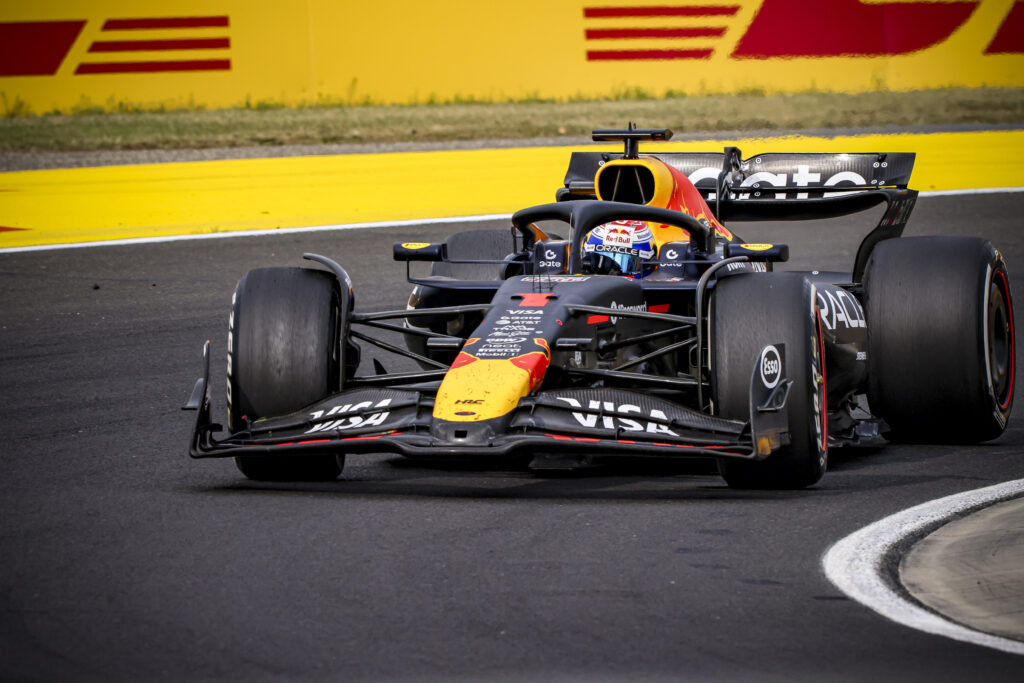
Red Bull will begin a new era in 2026, as Max Verstappen’s team become an F1 engine constructor for the first time with the support of Ford under the new power unit rules.
The Milton Keynes squad were an engine customer throughout their first 21 years on the F1 grid. Red Bull started out with a Cosworth engine after taking over the ailing Jaguar squad in 2005, before they later ran Ferrari (2006), Renault (2007-18) and Honda (2019-25) engines.
But Honda’s initial decision to withdraw from F1 back in October 2020 saw Christian Horner establish Red Bull Powertrains, during his time as the F1 CEO and team principal of Red Bull Racing. Horner even convinced Ford to join Red Bull as a technical partner in February 2023.
The first Red Bull Powertrains engine will now hit the grid in 2026, after Red Bull’s deal with Honda ended in 2025. Honda pulled a U-turn and struck an exclusive works engine deal with Aston Martin in May 2023, having been convinced to stay in F1 due to the 2026 regulations.
The FIA has confirmed that Max Verstappen will switch to #3 in 2026. What would you pick as your F1 driver number?
Let us know why in the comments!
Mark Rushbrook admits Ford is ‘still learning a lot’ about the electrical side of F1 engines
The 2026 F1 regulations will make the engines the most important part of a car, as the series moves from a 20/80 split between electrical and combustion power to 50/50, as well as fully sustainable fuels. How drivers manage their electrical power will be crucial during the races.
READ MORE: Everything you need to know about F1’s 2026 engine and aerodynamic rules
Red Bull agreed their partnership with Ford to capitalise on the American automotive giant’s expertise in hybrid engine technologies. Also, Ford leapt at Red Bull once the F1 team’s deal with Porsche fell through, as Horner had also spoken with the German brand about a tie-up.
But Ford Performance director Mark Rushbrook now concedes that the Blue Oval still has “a lot” to learn about the electrical side of F1 engines. Ford has also started to support Red Bull in the production of the F1 team’s new combustion engine ahead of the unit’s debut in 2026.
Rushbrook told Motorsport.com: “As the electric side of the power unit, we’re still learning a lot. Regarding battery technology, we can contribute.
“But we’re still learning a great deal in that area, as well. I think we can contribute most in terms of software and calibration, based on our experience.”
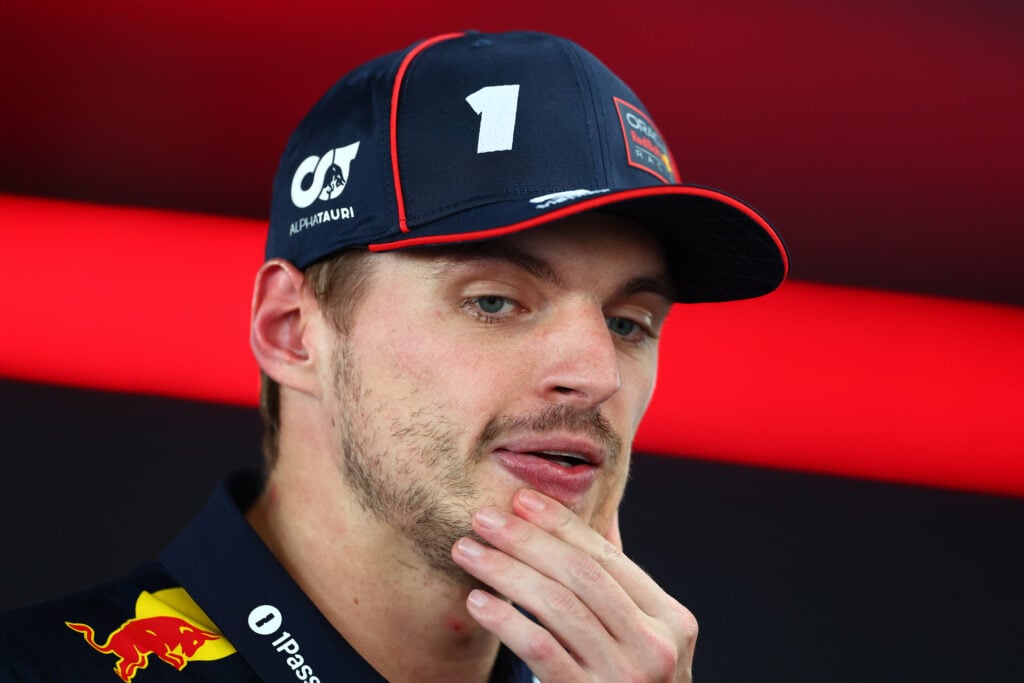
Max Verstappen will not like hearing that Ford is ‘still learning a lot’ about F1 engines
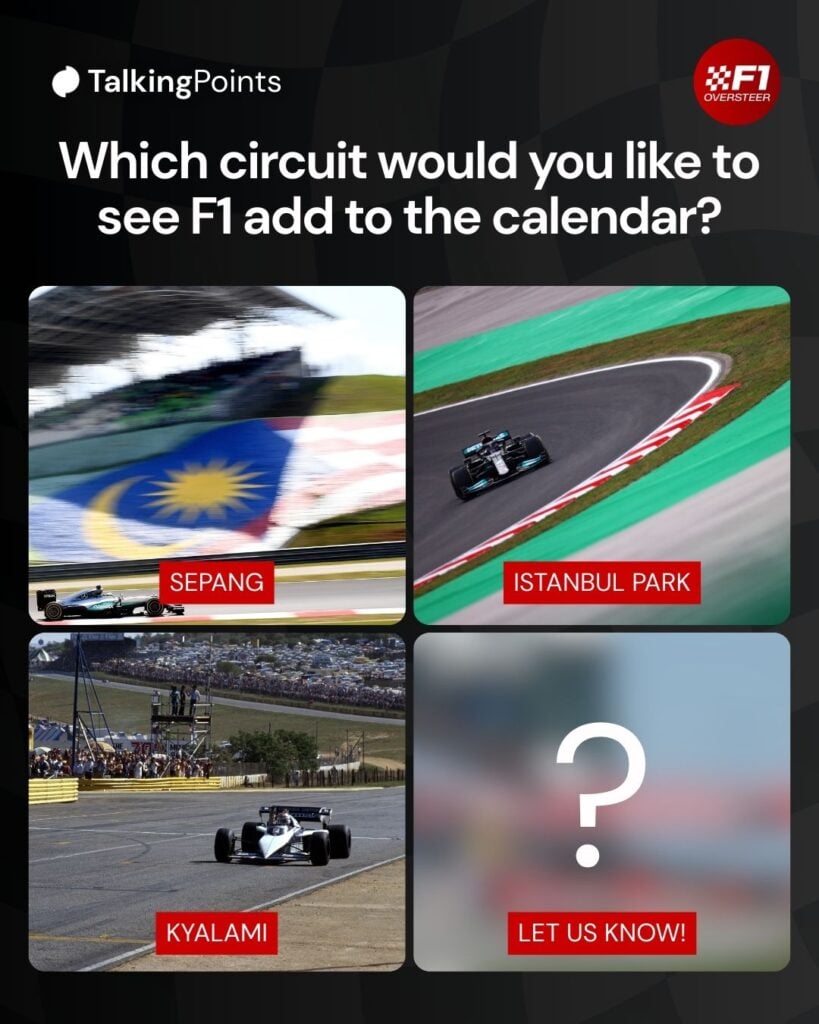
Which circuit would you like to see F1 add to the calendar?
Red Bull initially sought Ford’s support with the electrical side of creating their first in-house engine for the 2026 F1 regulations, with a particular focus on the battery, inverter, software and calibration. Yet a shift in Ford’s road car business saw the brand enlarge its involvement.
But it will likely worry Red Bull driver Verstappen that Ford Performance chief Rushbrook is not voicing his complete confidence in the Blue Oval’s expertise, given the electrical side of their engine is where Red Bull will need Ford’s help the most under the 2026 F1 regulations.
There are now suggestions that Red Bull have found a loophole in the 2026 F1 engine rules to increase the rate of combustion from the permitted 16:1 to 18:1 during operation. But it will not help Verstappen if he has to save his energy due to the electrical side of their engine.
Receive exclusive F1 news and updates twice a week to your mailbox