Lando Norris
 McLaren
 Mercedes
 Red Bull
 Ferrari
 Williams
 Racing Bulls
 Aston Martin
 Haas
Haas Alpine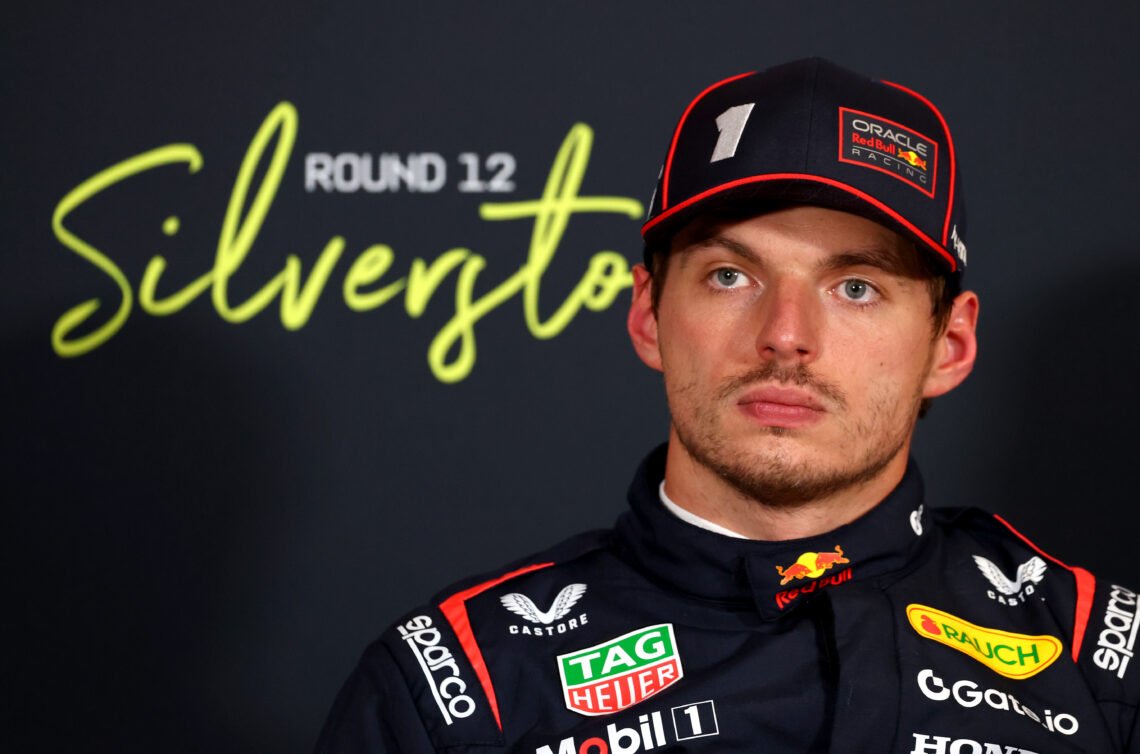


The 2026 F1 season will see a swathe of changes to the regulations to promote a more agile and sustainable championship, but it has already been reported that Red Bull are struggling with one facet of it.
The rulebook that teams must follow to build their 2026 challengers features revised aerodynamic regulations as well as a redesigned power unit with increased battery power and the use of 100% sustainable fuels.
With the development of the cars already well underway, it has been reported that ‘none’ of the drivers on the F1 grid are happy with how the cars feel after testing them on the simulator.
Whilst this is to be expected in the early stages of development, reports of poor performance from the engine developed by Red Bull Powertrains have further fuelled the rumours of Max Verstappen jumping ship before the start of the new season.
READ MORE: All you need to know about Ford and its involvement in Formula 1
Red Bull Powertrains have ‘legitimate concerns’ about the performance of their new power unit
It had been theorised that part of the reason Christian Horner was relieved of his 20-year team principal tenure at the Milton Keynes-based team was due to his leading role in overseeing the engines’ development.
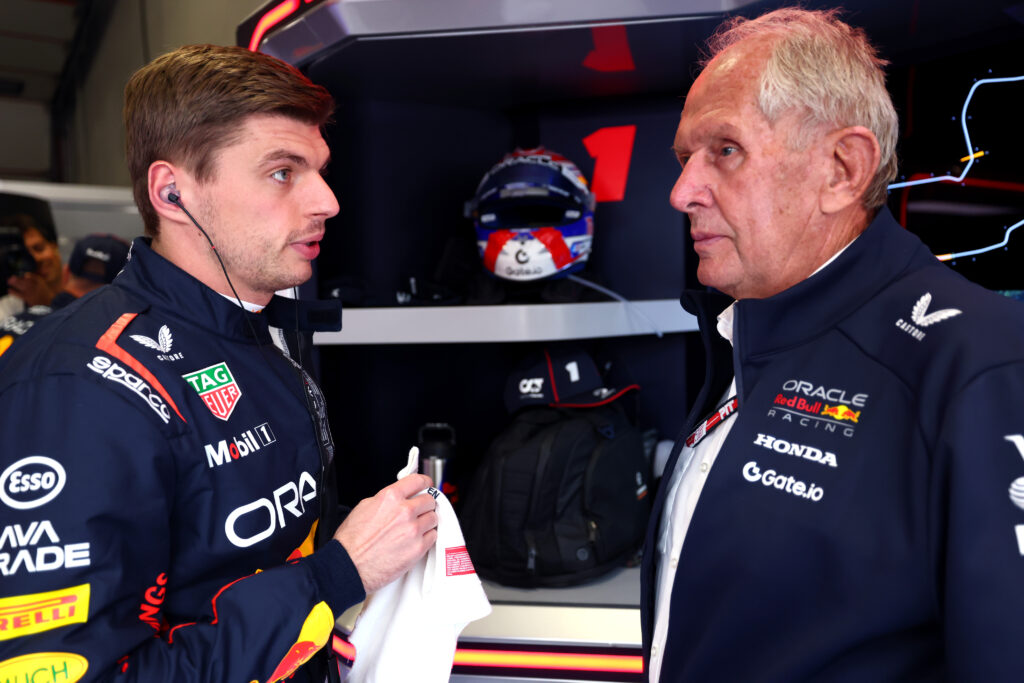
Speaking in a Q&A for The Race, journalist Edd Straw gave his thoughts on the matter, saying, “I don’t see any indication it’s a direct consequence of that.
“I do think it’s part of the tapestry because I suspect Verstappen’s concerns relating to the power unit do exist and might be part of the agitation on that side.
“I don’t think it’s a question of ‘next year is looking bad, we better change the team boss’ because one, I think there’s a lot more going on, and two, I don’t think that would be a logical reaction to do it.
“But, there are legitimate concerns about how competitive that power unit will be.”
READ MORE: All to know on sacked Red Bull team principal Christian Horner with net worth
Red Bull could face years of mediocrity if they don’t get the 2026 F1 regulations right
Red Bull are no strangers to the slog which ensues if new engine regulations aren’t met with the best possible research and development.
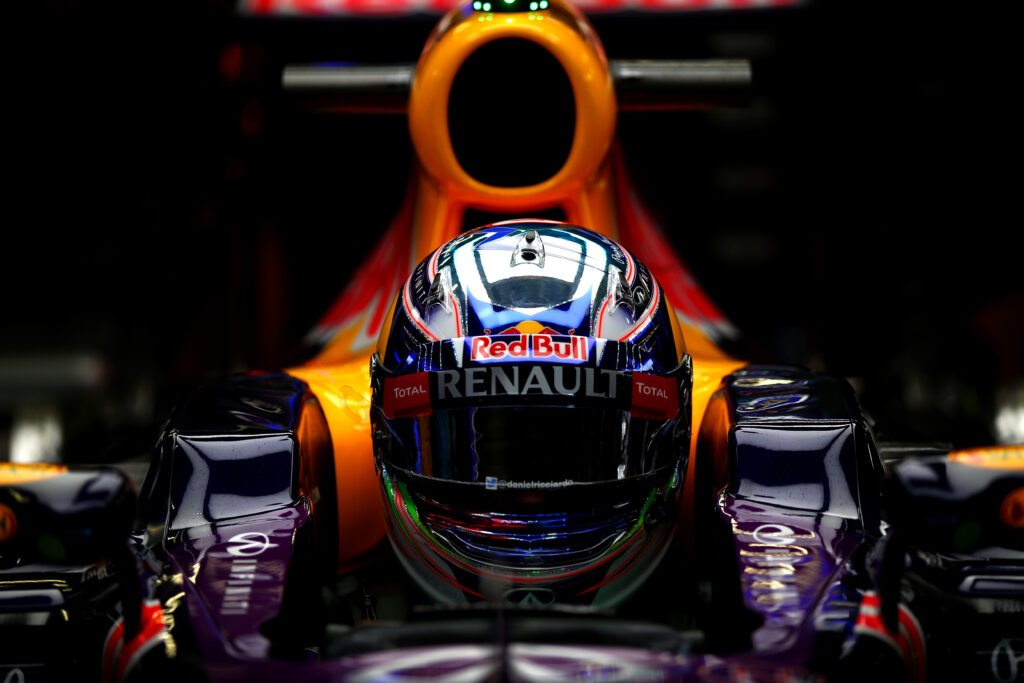
Off the back of four dominant world championships between 2010 and 2013, the team struggled in the opening years of the turbo-hybrid era with their Renault-powered F1 cars, falling to fourth in the constructors’ standings by the end of 2015.
This same era saw Mercedes dominate instead, largely down to them starting development of the new engines over three years in advance, which aided them on their way to eight back-to-back constructors’ titles.
By the end of 2015, all four teams powered by Mercedes’ V6 hybrid finished within the top six of the teams’ standings, including Lotus, which swapped their Renault power unit for Mercedes at the beginning of the year.
The 2026 season also marks the first new set of engine regulations to be developed in-house by Red Bull Powertrains, having previously been supplied power units through a partnership with Honda.
The RBPT company will be renamed Red Bull Ford Powertrains at the start of next year, following a partnership with Ford Motor Company, who last had a foot in the sport in 2004 with Jaguar-Cosworth.
Receive exclusive F1 news and updates twice a week to your mailbox