Lando Norris
 McLaren
 Mercedes
 Red Bull
 Ferrari
 Williams
 Racing Bulls
 Aston Martin
 Haas
Haas Alpine


Red Bull and Audi were the only F1 teams consistently using aggressive downshifts to regain energy at the first Bahrain test, as the outfits adapted to the 2026 engine rules.
The 2026 F1 regulations mark the biggest regulatory overhaul to date, with new power unit, aero, chassis and tyre rules all coming into force at once. F1 largely created the new rules on the engines, which nearly boast a 50/50 split between electrical and combustion power, too.
F1 has also removed the expensive MGU-H from the engine regulations, which is one reason why a lot of paddock figures are concerned about race starts in 2026. Fears are rife after the first Bahrain test emphasised the need for drivers to sustain high revs to spool the turbo up.
The first of the pre-season tests in Bahrain also revealed the different ways that teams have developed to regain energy through the MGU-K. Red Bull and Audi are favouring aggressive downshifts and using lower gears in corners, but Mercedes are ‘reluctant’ to copy the tricks.
Kimi Antonelli made a serious statement on Day 3 at the first 2026 Bahrain test – Who looks strongest heading into Round 1?
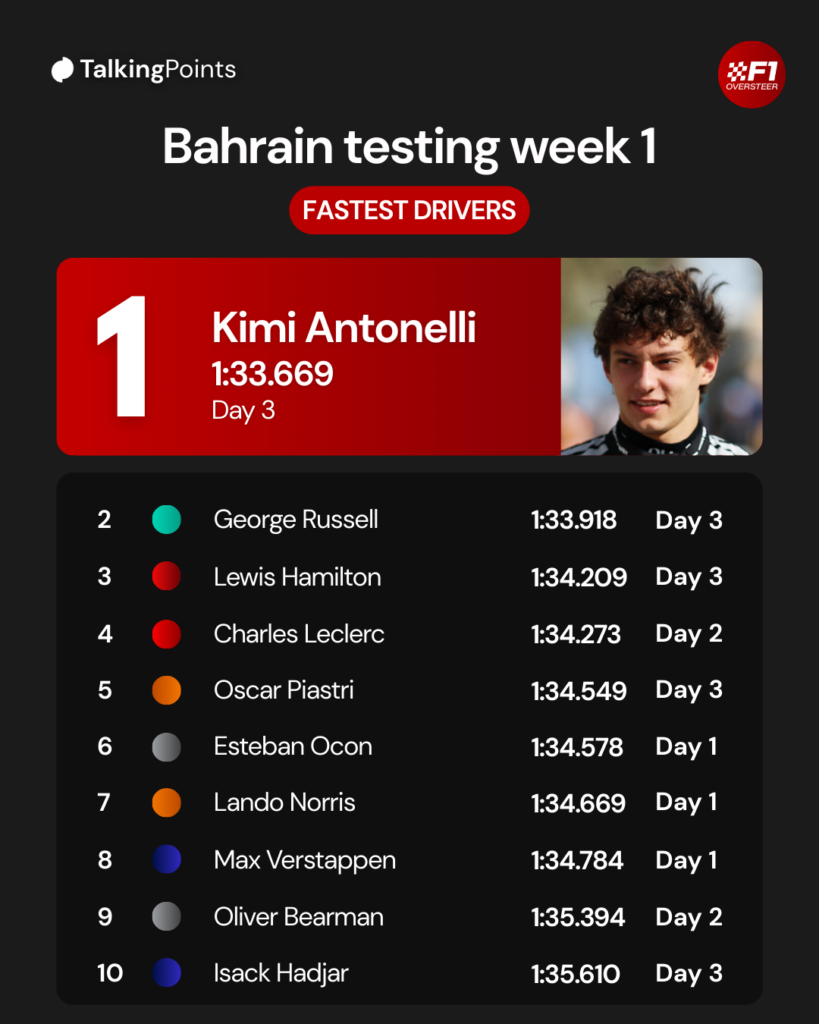
Mercedes fear aggressive downshifts will reduce the reliability of their new 2026 engine
That is according to RacingNews365, which reports that Red Bull and Audi have so far been able to avoid the drawbacks that the other engine constructors have faced by downshifting early to recover energy. For example, Ferrari are trying to improve their engine braking now.
READ MORE: Everything you need to know about F1’s 2026 engine and aero regulations
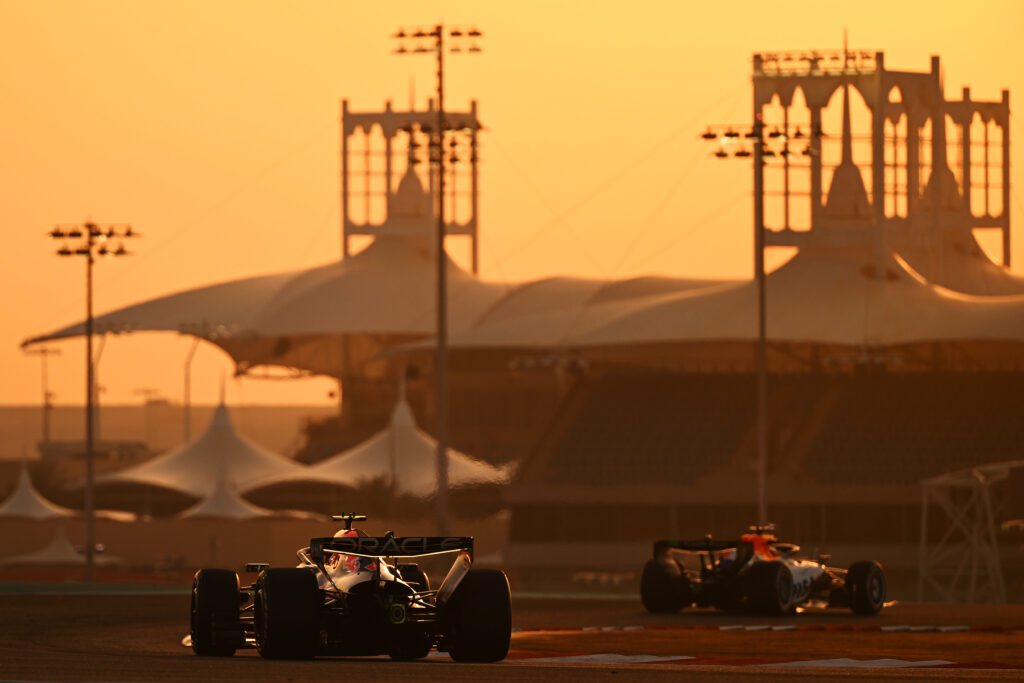
Mercedes displayed a reluctance in this week’s Bahrain test to copy Red Bull’s tactic, as they are concerned that aggressive downshifts may reduce the reliability margins of their engine. The early downshifts create sudden RPM increases that may cause knocking in power units.
The knocking effect risks putting further stress on cylinder heads, valves and pistons. Also, the threshold for knocking is more acute in engines boasting a higher compression rate, and rivals feel Mercedes can increase their compression rate from 16:1 to 18:1 during operation.
The FIA will rule on the legality of Mercedes’ 2026 engine at the F1 Commission meeting
The FIA is set to rule on the legality of Mercedes’ engine at the F1 Commission meeting next Wednesday in Bahrain. But it is said that the FIA has already cleared Mercedes’ 2026 engine after testing the compression rates in their V6 engine when it is at operating temperatures.
Mercedes have always argued that their engine is legal as the 2026 F1 regulations state that the FIA only tests the compression rates in ambient conditions. The Silver Arrows also kept the FIA informed about their engine throughout its development ahead of the 2026 season.
READ MORE: All you need to know about the 2026 F1 season, including the race calendar
The first pecking order predictions are IN!
What jumps out?
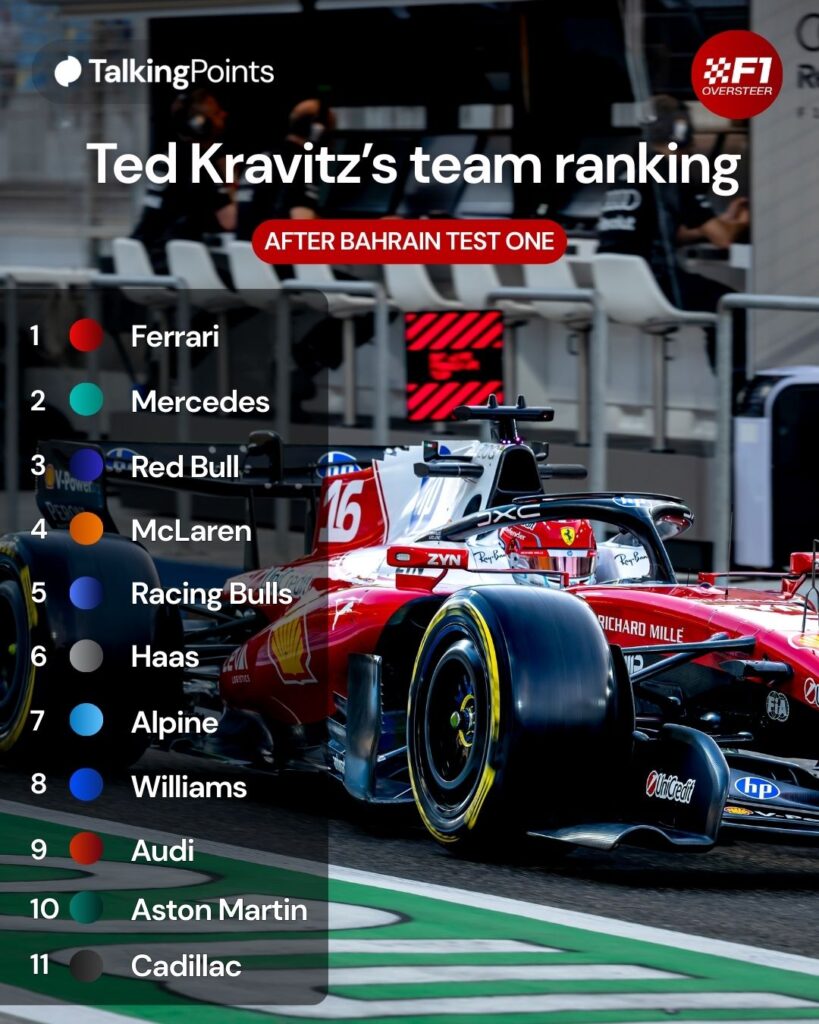
It now remains to be seen whether Mercedes’ engine is indeed legal, and also whether they can adopt the aggressive downshifting method that Red Bull and Audi favoured during the first of the two Bahrain tests to recover more energy – which may be a huge differentiator.
Team principal Toto Wolff fears Red Bull’s engine is a second a lap stronger than Mercedes’ down the straights, due to how well the maiden Red Bull Powertrains unit deploys energy. Red Bull built their own engine, in partnership with Ford, after Honda joined Aston Martin.
Wolff’s fears grew after watching what Max Verstappen could achieve in the Red Bull RB22. Verstappen was the first driver to use aggressive downshifts in Bahrain from day one of the first test, during which Audi ace Gabriel Bortoleto also pioneered the energy recovery trick.
Receive exclusive F1 news and updates twice a week to your mailbox