Lando Norris
 McLaren
 Mercedes
 Red Bull
 Ferrari
 Williams
 Racing Bulls
 Aston Martin
 Haas
Haas Alpine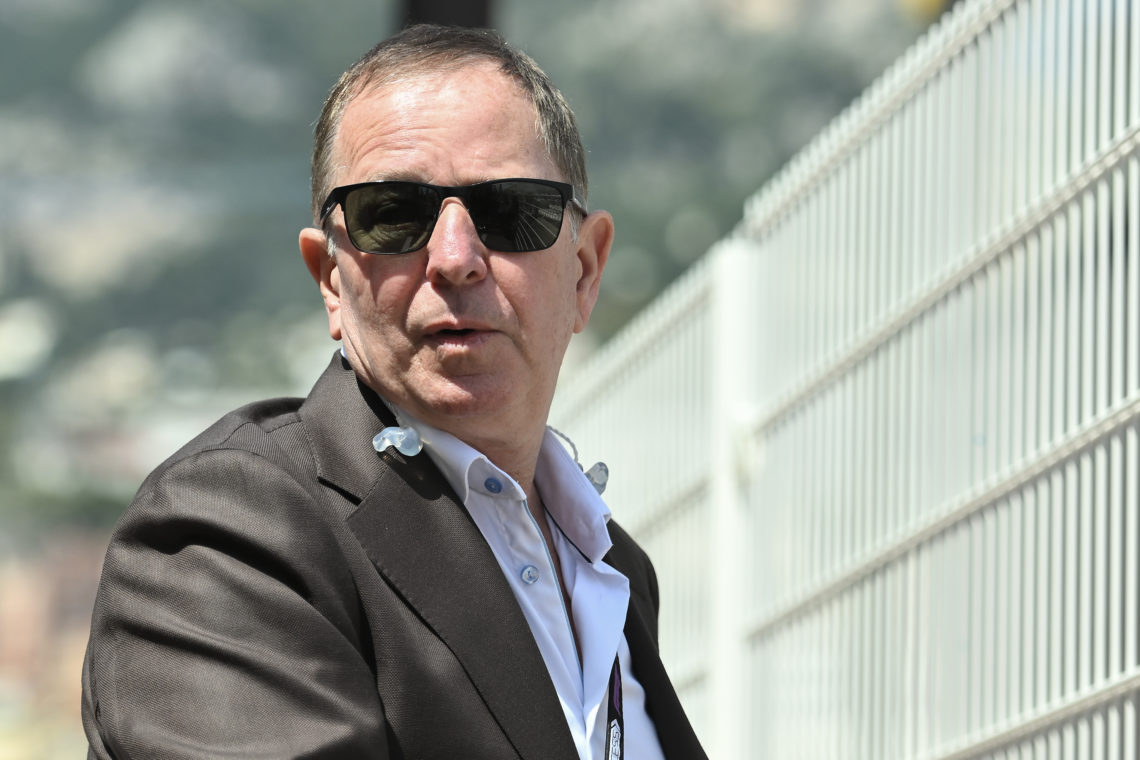


Ahead of this weekend’s Canadian Grand Prix, Formula 1 unveiled its vision for the 2026 regulations. It promises to be one of the biggest challenges teams have faced in the modern era.
Often, when there’s a rule reset, the focus is on either the engines or the aerodynamics. But in this instance, both will be overhauled.
The power units will now run on sustainable fuels as the sport aims to become carbon-neutral by 2030. They will also rely much more heavily on electrical energy despite the removal of the MGU-H.
On the chassis front, the cars will become slightly smaller and up to 30 kilograms lighter. This is part of a series of changes designed to encourage closer racing.
In recent years, F1 drivers have often complained about the difficulty of overtaking. This is partly due to the aerodynamic complexity of modern cars and the ‘dirty air’ effect, but the sheer size of the machinery certainly doesn’t help.
Red Bull have been the masters of F1’s ‘ground effect’ era, producing a run of historic dominance to stroll to the last two championships. But teams will adopt a revised floor from 2026, which will force them to generate downforce in other ways.
Martin Brundle has doubts over active aero on 2026 F1 cars
Perhaps the biggest headline from Thursday’s announcement was the confirmation that the 2026 cars would feature active aerodynamics. This means that the front and rear wings will look different depending on where a car is on the track.
When they’re travelling down the straights, gaps will open up to reduce drag and increase straight-line speed. But when they’re in the corners, those slots will close again.
Offering his verdict on the rule changes on Sky Sports F1, Martin Brundle raised some concerns. He says that, as a driver, he’d be worried about a failure of the active aero system heading into a high-speed turn.
That could leave them with significantly reduced grip, putting them at risk of spinning out. And what’s more, Brundle doubts that the teams will be able to lighten the car by that desired amount.
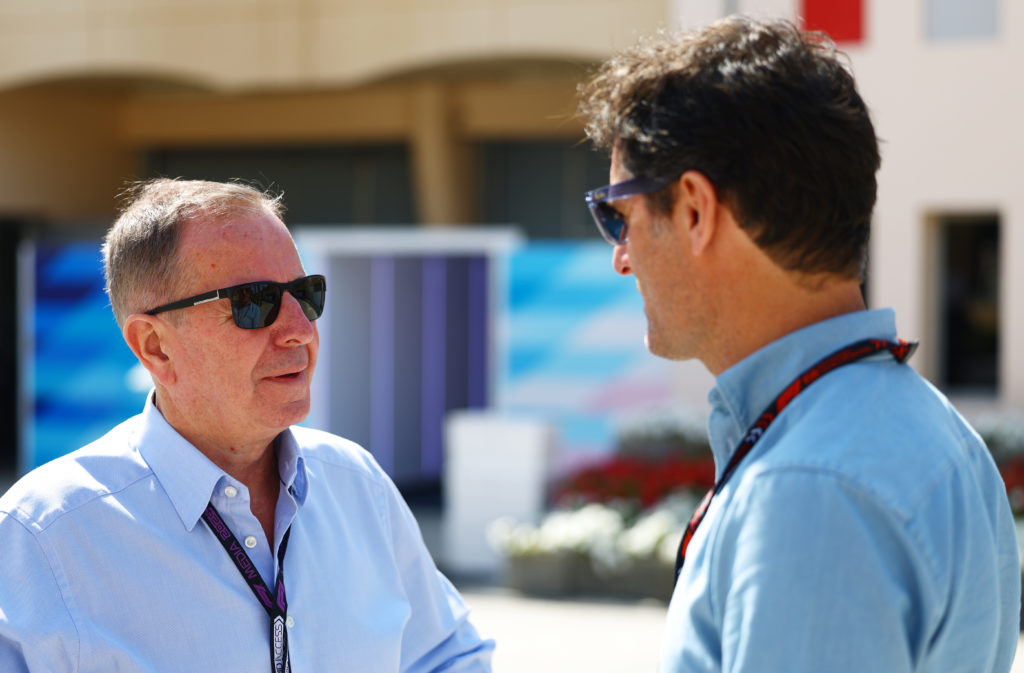
However, he’s reluctant to sound overly negative. He pointed out that the fears raised over rule changes at the outset rarely come to fruition.
“I personally wouldn’t want to go into Copse corner at Silverstone and have my front wing not return to its rightful place or something like that,” he said. “I’d be a little bit nervous of active aero.
“I don’t believe they’ll get 30 kilos out of them, although they’re a little bit smaller. They’ve got to have a bigger battery, stronger crash structure. I struggle to believe that one.
“Let’s go with it. There was so much negativity about these cars, and ‘they were going to be six seconds a lap slower’ and they weren’t.”
Jacques Villeneuve warns of ‘dangerous’ scenario under new rules
Brundle wasn’t the only one to flag up safety concerns. His fellow pundit Jacques Villeneuve has called for the sport to ditch its hybrid technology given that it will be using sustainable fuel.
Given the increased importance of electrical power, he’s warned that drivers may end up braking on the straights to charge their battery. This could put their competitors at risk.
“I don’t understand, if you go 100% sustainable fuel, why do you still need a hybrid?” he said. “What’s the reason behind the hybrid if you have 100% sustainable, there’s no reason for it?
“We risk having cars that slow down halfway down the straight to recharge their battery. That’s wrong, that’s definitely wrong. If suddenly the car in front of you starts slowing down, that’s dangerous.”
The rules have still yet to be finalised, and are bound to go through some revisions before the process is complete. One change that is proving more popular is the move away from DRS.
F1 will instead adopt a ‘manual override mode’ that allows drivers to deploy extra energy when chasing another car. Oscar Piastri issued a sarcastic four-word reaction to the news, having fallen victim to DRS failures earlier in his career.
Receive exclusive F1 news and updates twice a week to your mailbox