Lando Norris
 McLaren
 Mercedes
 Red Bull
 Ferrari
 Williams
 Racing Bulls
 Aston Martin
 Haas
Haas Alpine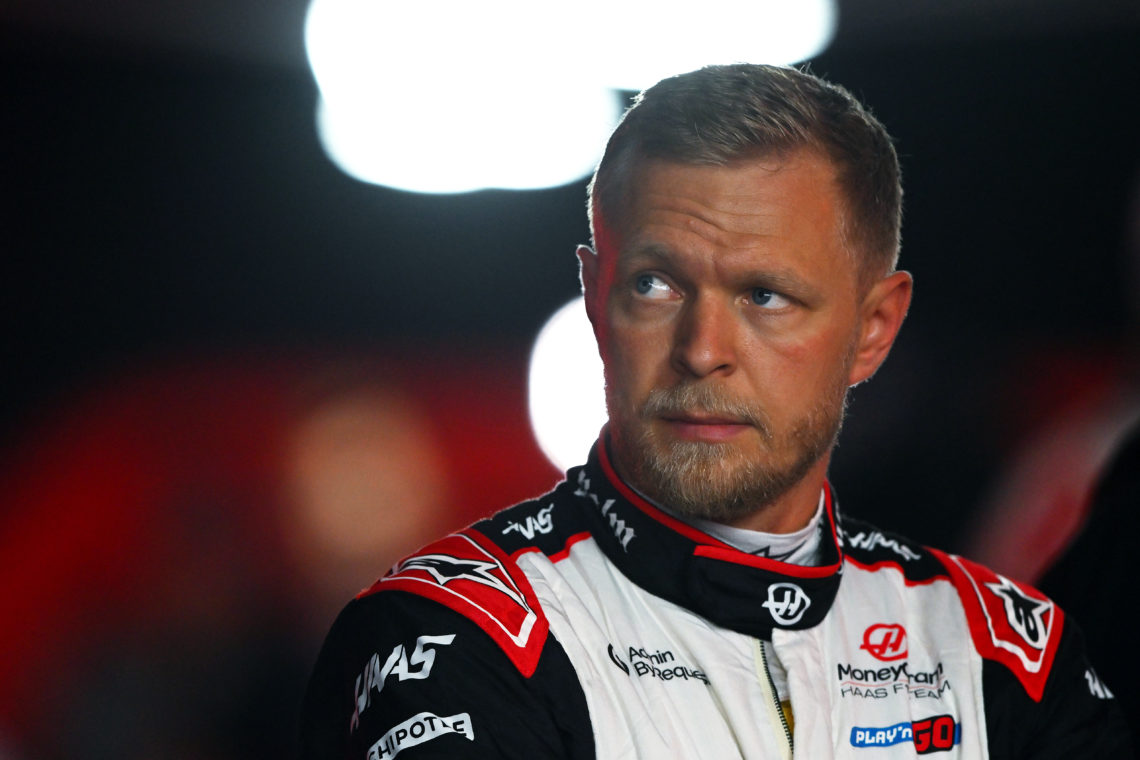


Kevin Magnussen is out of a drive at the end of this year’s Formula 1 season and is currently one of a handful looking to secure his future.
The Haas driver, who made his comeback in 2022 with the American team, is set to be replaced by Frenchman Esteban Ocon as the team employs an all-new lineup for the third time in four years.
Kevin Magnussen’s comeback with Haas did not produce the results expected, with only a shock pole position at the 2022 Brazilian Grand Prix and a highest finishing position of fifth at the Bahrain GP the same year.
Magnussen is also currently on 10 penalty points on his FIA Super Licence, which means two more and he could incur an automatic one-race ban.
As the possibility of securing a seat on the F1 grid for next year gets smaller, Magnussen could be eyeing up a potential move over to endurance racing having previously raced in the IMSA SportsCar Championship and Le Mans.
Discussing his next moves with Motorsport.nl, the Dane believes F1 might be taking a turn for the worst when it makes key regulation changes in the future.
Kevin Magnussen issues verdict on future F1 regulation change
F1 is set to adopt a new chassis and engine regulation combination in 2026, which will be a significant overhaul in aerodynamics.
The regulations are designed to bring better racing on track while also enabling the field to converge, without one single team running away with a dominant package as they have done in previous regulation sets.
As Magnussen ponders his future in motorsport, he has issued an early verdict on how he thinks the new regulations might impact F1 going forward.
“F1 remains the pinnacle of motorsport. Everyone wants to stay here for as long as possible. But maybe it’s going to be different after 2026,” said Magnussen.
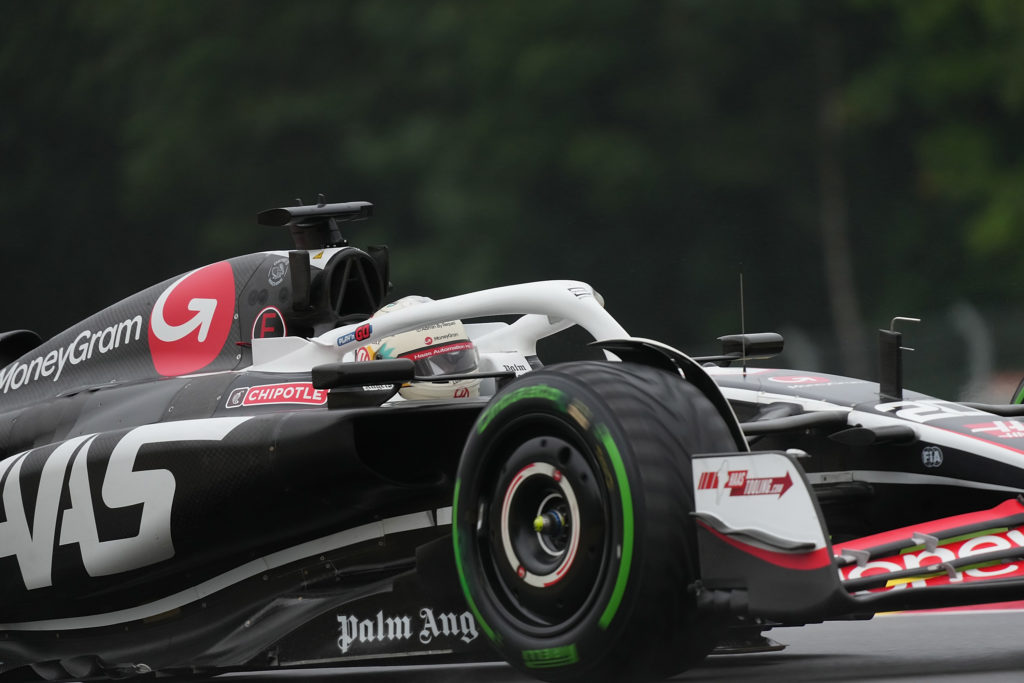
F1 2026 regulations criticised by teams
The arrival of the 2026 regulations will be the latest change to F1 since the radical shift towards ground-effect cars happened in 2022.
Drivers will have two modes: X-mode for low drag on the straights and Y-mode for greater cornering, both of which can be activated when racing.
READ MORE: Everything we know about F1’s 2026 regulation changes so far from engines to tyres
The cars will also have a brand new engine specification, with increased electrical output from the MGU-K from 120 kilowatts up to 350 kilowatts. In addition, drivers can activate an unnamed ‘push to pass’ mode to help aid overtaking.
The changes have led to some criticism from teams, including Red Bull who believe the split between electrical and combustion power might pose issues for drivers. The final sign-off for the regulations has been delayed from June until October, with a hard deadline set for January 2025 when teams are expected to start work on their cars for 2026.
Receive exclusive F1 news and updates twice a week to your mailbox