Lando Norris
 McLaren
 Mercedes
 Red Bull
 Ferrari
 Williams
 Racing Bulls
 Aston Martin
 Haas
Haas Alpine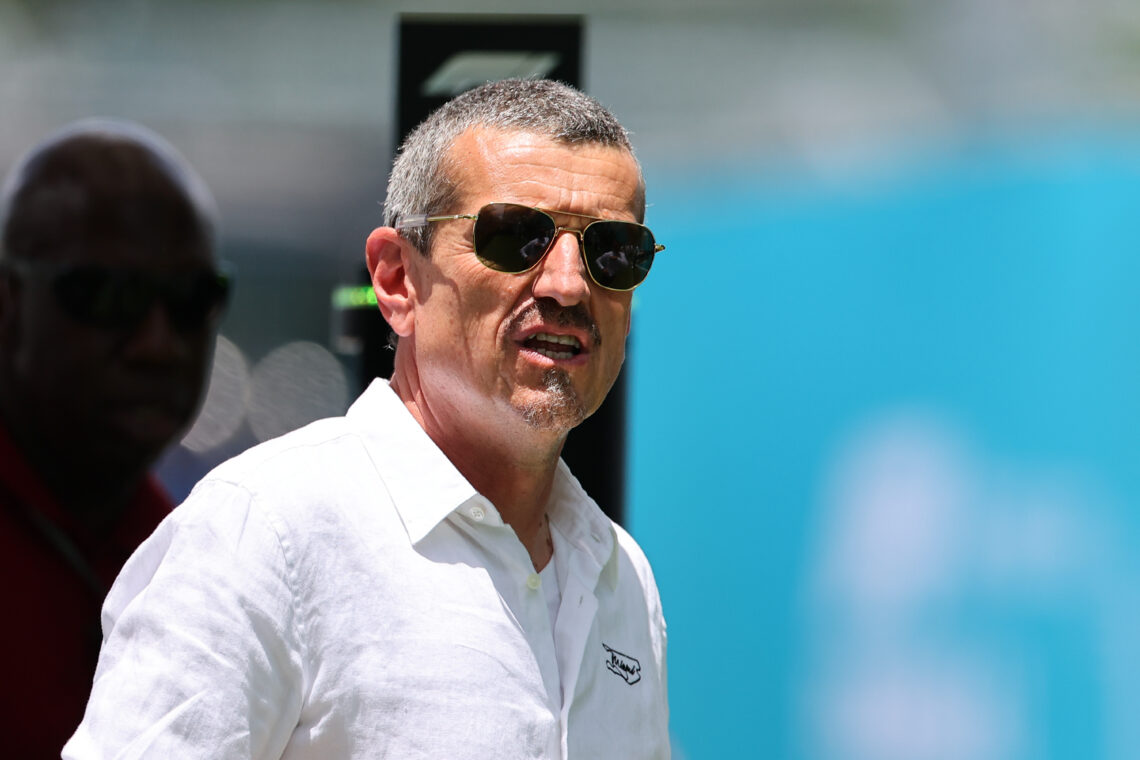


The 2026 F1 season will bring a vast amount of changes to the F1 grid, meaning the development race for teams to get them right is well and truly on.
It has been speculated that part of the reason for Christian Horner’s immediate dismissal from Red Bull was due to the poor benchmark tests from the new Red Bull Powertrains’ engine for 2026.
These reports put Max Verstappen‘s future at Red Bull in doubt, with Mercedes emerging as the front-runner to sign the four-time world champion. Ralf Schumacher has even told Mercedes what they must do in order to get the Dutchman’s signature.
However, Verstappen’s performance clause means that Red Bull have until the conclusion of the Hungarian Grand Prix to ensure his place within the top-three of the standings, which will ‘guarantee’ his position at the team for at least another season.
READ MORE: Red Bull driver Max Verstappen’s life outside F1 from net worth to girlfriend
Guenther Steiner believes Mercedes’ previous success with F1 regulations doesn’t guarantee success in 2026
The reason for Mercedes’ emergence as the favourites to sign Verstappen is due to their history of getting new engine regulations right the first time, something that Renault struggled with as Red Bull’s supplier in 2014.
Despite that, former Haas team principal Guenther Steiner doesn’t believe this means Mercedes is guaranteed success in 2026.
Speaking on the Business of Sport podcast, the Italian explained, “Everybody’s vulnerable. Next year, nobody knows what will happen. We need to wait until February, when they go testing.
“Mercedes last time around did a fantastic job. So they are the favourites to do a fantastic job again. I think they’ve got the same opportunity as the other [teams], not more.
“Just because you did a good job 10 years ago, it doesn’t mean that you do a good job now, because there aren’t many people there from 10 years ago.”
READ MORE: All you need to know about Mercedes F1 Team from team principal to lineage
2022 F1 regulations showed vulnerabilities in Mercedes’ design roadmap
The reason for Mercedes’ dominance at the start of the turbo-hybrid era was down to the fact that the Mercedes High Performance Powertrains (HPP) team started work on the new regulations years prior to them coming into effect.
This gave them ample time and a head start on the rest of the grid to ensure that they would be competing at the top once the 2014 season began, kicking off their eight consecutive constructors’ championships.
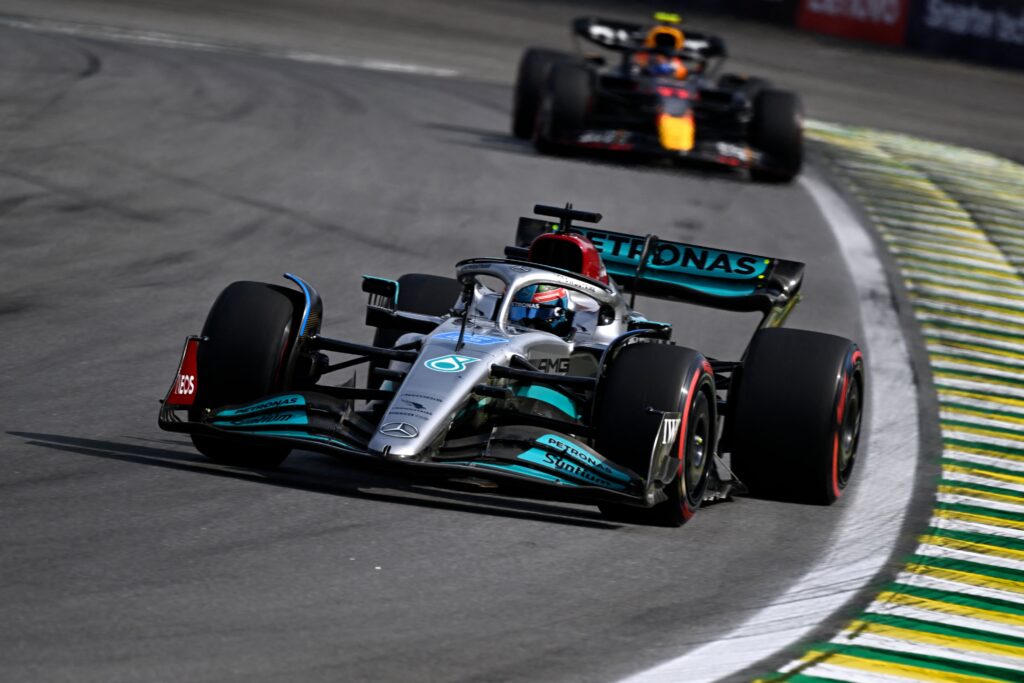
The new regulations that were imposed on the sport in 2022 are a clear example of Mercedes’ vulnerabilities. They opted for a drastic bodywork design which featured very little in the side pod area and was dubbed the ‘zeropod’.
Initial testing in the wind tunnels looked like the design philosophy would be competitive on track, but the new ground effect aerodynamics on the car proved to be a spanner in the works once testing got underway, and they were stuck with the concept for a while before binning it.
The decision set the German constructor back years, and whilst they have won several Grands Prix since, they haven’t managed to put up a proper title fight since.
Receive exclusive F1 news and updates twice a week to your mailbox