Lando Norris
 McLaren
 Mercedes
 Red Bull
 Ferrari
 Williams
 Racing Bulls
 Aston Martin
 Haas
Haas Alpine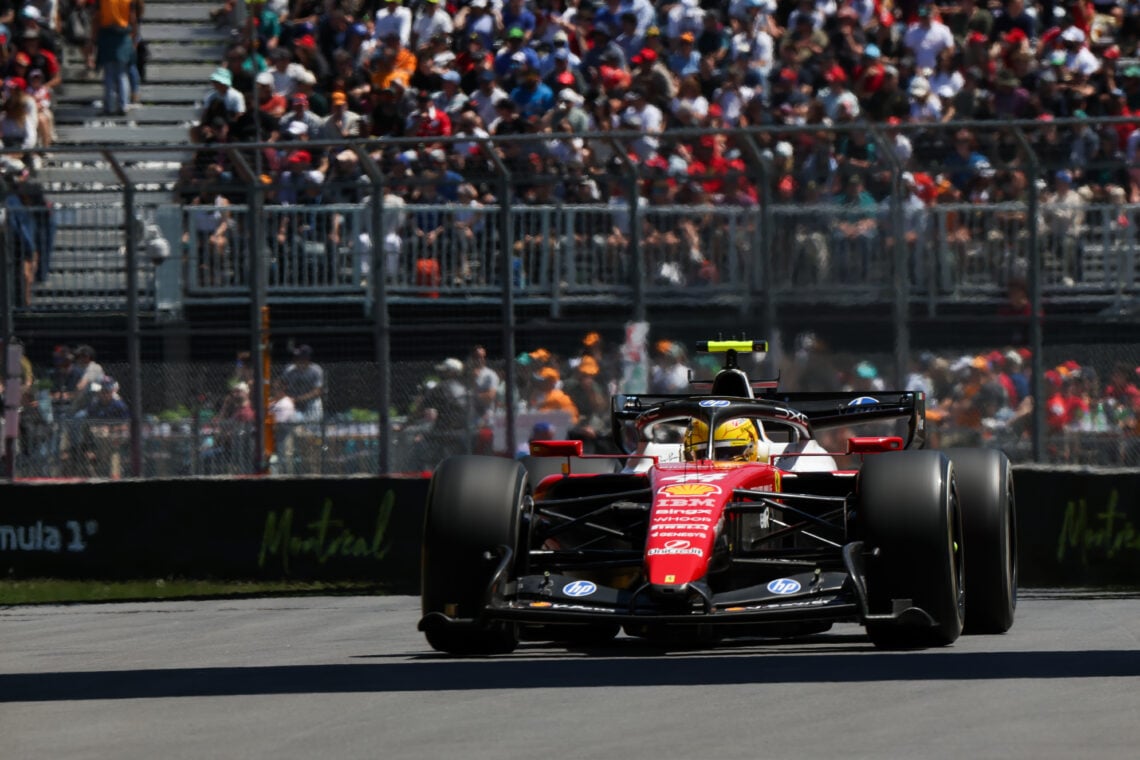


Formula 1 teams have decided on a rule change ahead of the 2027 season that will bring about a consequence that both Ferrari and Audi have protested.
As Formula 1 agreed to a regulation change in 2027, moving away from the 50/50 split in the energy supply introduced under the 2026 ruleset.
But this has caused a few complications for teams, as they look to try and adjust their requirements ahead of the upcoming rule change.
Should F1 teams also be given extra cost cap spending room in 2027? 🤔

Because of the immediate nature of the change, many teams, like Ferrari and Audi, are concerned about how the power supply ratio changing will affect the nature of the engine and the car itself.
Well, one of these concerns has seemingly been addressed, as teams have agreed to make a change to a key rule next season.
READ MORE: David Croft fears the FIA’s safety rule change has ‘hamstrung’ Ferrari’s F1 car
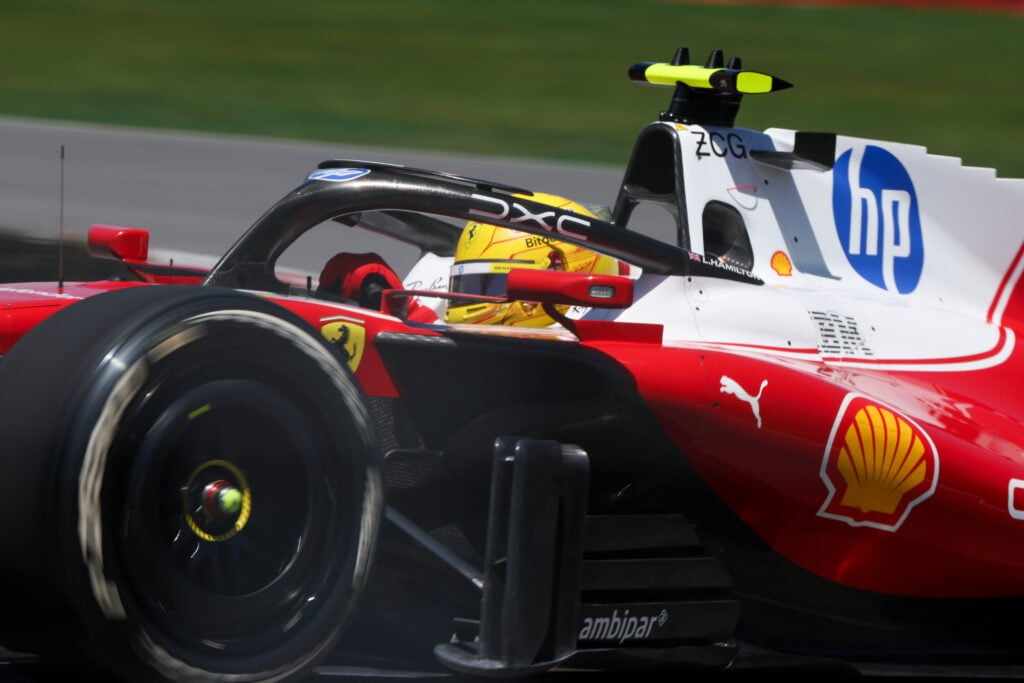
F1 teams agree to reduce race laps if fuel runs out in 2027
According to Julianne Cerasoli, Formula 1 teams have agreed to reduce the number of laps in races if they run out of fuel starting next season.
With the recent change from a 50/50 to a 60/40 split in favour of energy being drawn from the combustion engine, the expectation is that the fuel requirement will increase as a result.
However, given that teams are unwilling to change or redesign their chassis to accommodate a bigger fuel tank that would allow for the use of more fuel, teams have agreed to reduce the number of laps should they run out of fuel.
As mentioned, Ferrari and Audi have opposed the move to a 60/40 split in 2027. But the two sides are motivated by different factors.
According to The Race, Audi are concerned about the financial implications of making this change, given that it would require more spending that wouldn’t force an adjustment in the budget cap.
Similarly, Ferrari are concerned about the provision that would scrap ADOU next year, feeling that it would neutralise their ability to catch up with their rivals.
However, with this lap-reduction rule being agreed to, it sounds like both Audi and Ferrari have lost this negotiation and will have to see this rule change through.
READ MORE: Lewis Hamilton’s Canadian GP result will tell Ferrari everything they need to know about his future
Max Verstappen makes a U-Turn on his recent retirement stance. Do you think he said it to force Formula 1’s hand?

2027 regulation change proving to be controversial months ahead of implementation
While drivers like Max Verstappen have praised the 2027 regulation change, it has undoubtedly created a headache for teams who had expected the new ruleset to be in place for a far longer time.
But with the relentless criticism of the new regulations from drivers and fans, Formula 1 officials chose to make a change to try and appease the negative voices within the paddock.
And with many eyeing a bigger split in the energy ratio in 2028, this could prove to be an even bigger headache for teams when it comes to adapting to the new ruleset.
It will be interesting to see how teams that have opposed this rule change, like Ferrari and Audi, will adjust to this blow.
Receive exclusive F1 news and updates twice a week to your mailbox