Lando Norris
 McLaren
 Mercedes
 Red Bull
 Ferrari
 Williams
 Racing Bulls
 Aston Martin
 Haas
Haas Alpine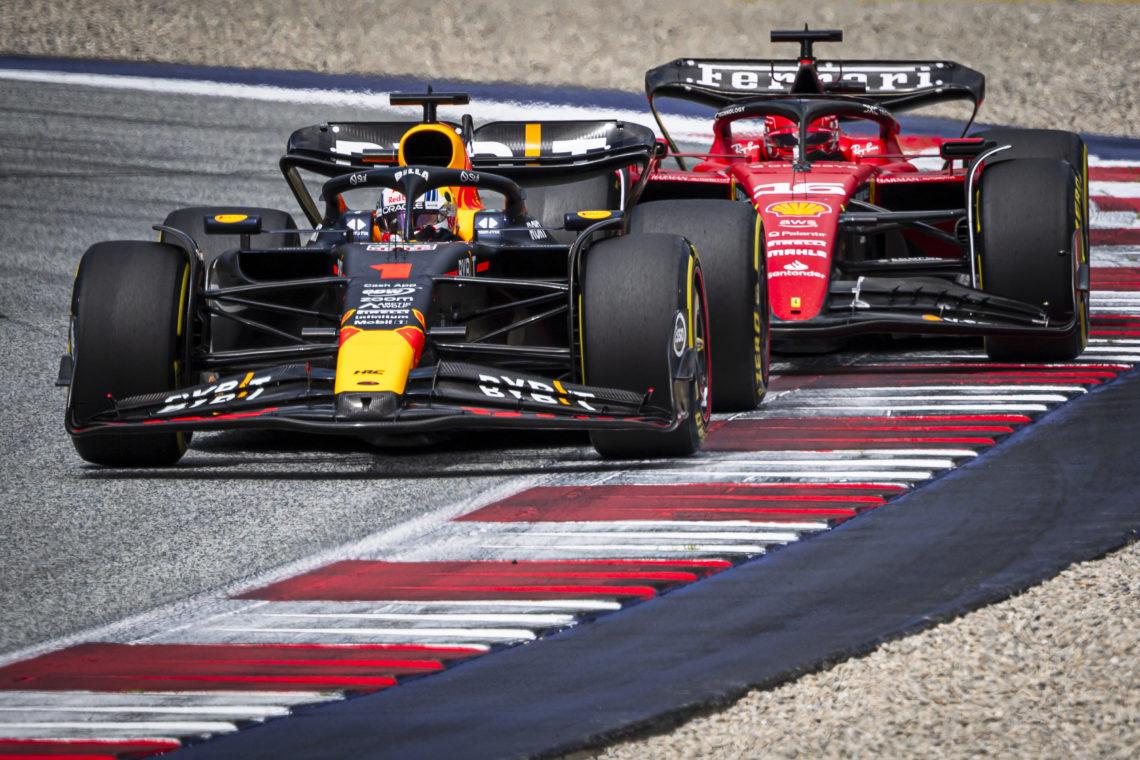


There was over 1,000 instances of drivers exceeding track limits reported to the stewards during the 2023 Austrian Grand Prix.
A staggering 83 laps were deleted during the race, which is nearly double the 43 laps that were omitted in 2022. The FIA stewards handed out 12 penalties to eight drivers including Esteban Ocon, who set the record for most penalties incurred during a Grand Prix when he earned 30 seconds worth across four reprimands.
The sheer amount of track limit penalties that were issued during the race and hours after the chequered flag drew criticism from drivers and team bosses, with Red Bull team principal Christian Horner saying it made F1 look “amateurish” according to The Mirror.
READ MORE: History of the Austrian Grand Prix including all winners and controversial moments
A post-race protest by Aston Martin was upheld by the stewards of the meeting, who admitted that several drivers had escaped being penalised due to an “unprecedented situation” that prevented them from investigating all track limits infringements.
To help prevent a similar scenario from happening, there is another solution that will be implemented at the Red Bull Ring to help deter drivers from putting all four wheels outside of the racing line.
What is F1’s track limits rule?
Track limits in F1 are defined by the white lines that run around the edge of the track. Drivers are not allowed to exceed those limits or they face a penalty if they are deemed to be all four wheels outside of the defined boundary.
Drivers can lose their lap if they exceed track limits in practice and qualifying, while in the race they are allowed three limit violations before they are given a black-and-white driving standards flag.
The next infringement results in a penalty, a further violation will result in a five-second time penalty, and a fifth violation will see a driver given a 10-second time penalty.
Austrian GP circuit implements track limits solution
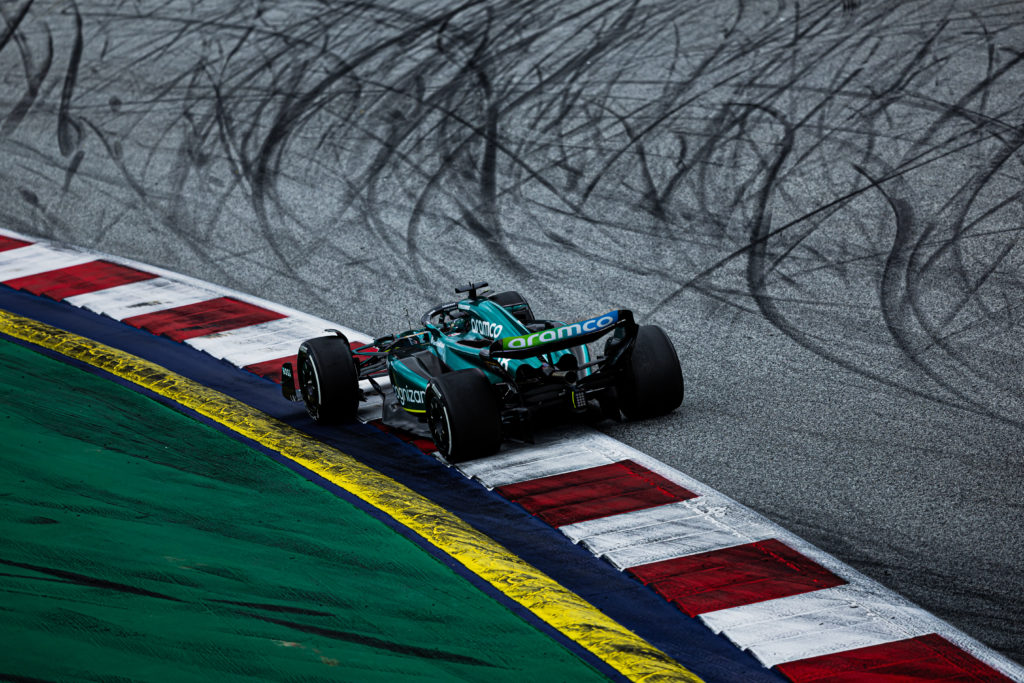
The majority of the infringements during last year’s race happened at Turns 1, 9, and 10 around the 2.6-mile circuit. While F1’s ‘white lines’ rule enables greater consistency, it is easier to police at some circuits rather than others.
The Red Bull Ring is an outlier due to the undulation of the track, where drivers can often run wide without realising they have gone out of the lines. Several drivers have also noted that tyre fatigue also plays a role due to the high degradation of the Pirelli tyres.
The stewards recommended installing gravel on the exits of Turns 9 and 10 in the aftermath of last year’s farce, which is what is going to happen this year according to journalist Adam Cooper.
Cooper said: “F1 will have another go at avoiding a weekend of track limits penalties in Austria. Strips have gravel have been introduced at Turns 9 and 10 as a deterrent – and they will be removed for August’s @MotoGP event.”
The strips of gravel will be at both corners and will be removed in time for August’s MotoGP race, which was one of the main concerns when making safety alterations.
Receive exclusive F1 news and updates twice a week to your mailbox