Lando Norris
 McLaren
 Mercedes
 Red Bull
 Ferrari
 Williams
 Racing Bulls
 Aston Martin
 Haas
Haas Alpine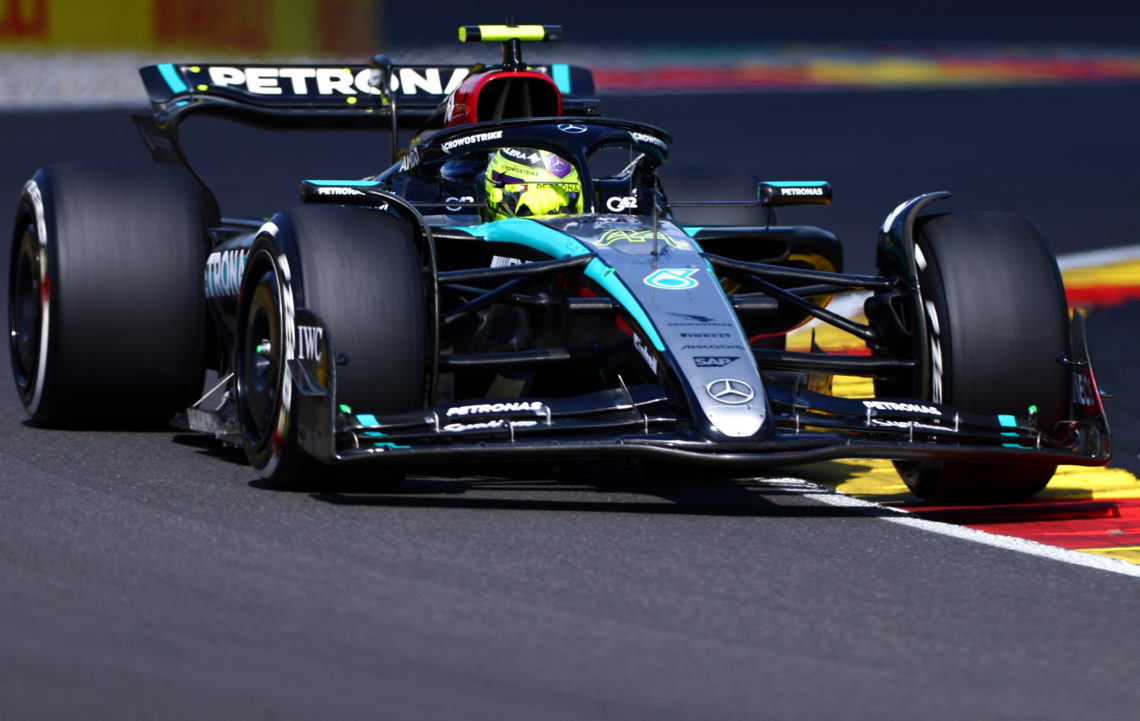


Mercedes went into 2024 with high expectations following a season with the troubled W14, which produced their first winless year since 2011.
Team principal Toto Wolff was adamant that a change in car concept would yield better returns for Mercedes, having struggled to match the performance of rivals McLaren and Red Bull.
After a rocky start to the season, things improved for Mercedes when they made a breakthrough with their car’s performance at the Canadian Grand Prix. Updates to their front wing and floor provided the much-needed performance gains that enabled George Russell to achieve pole.
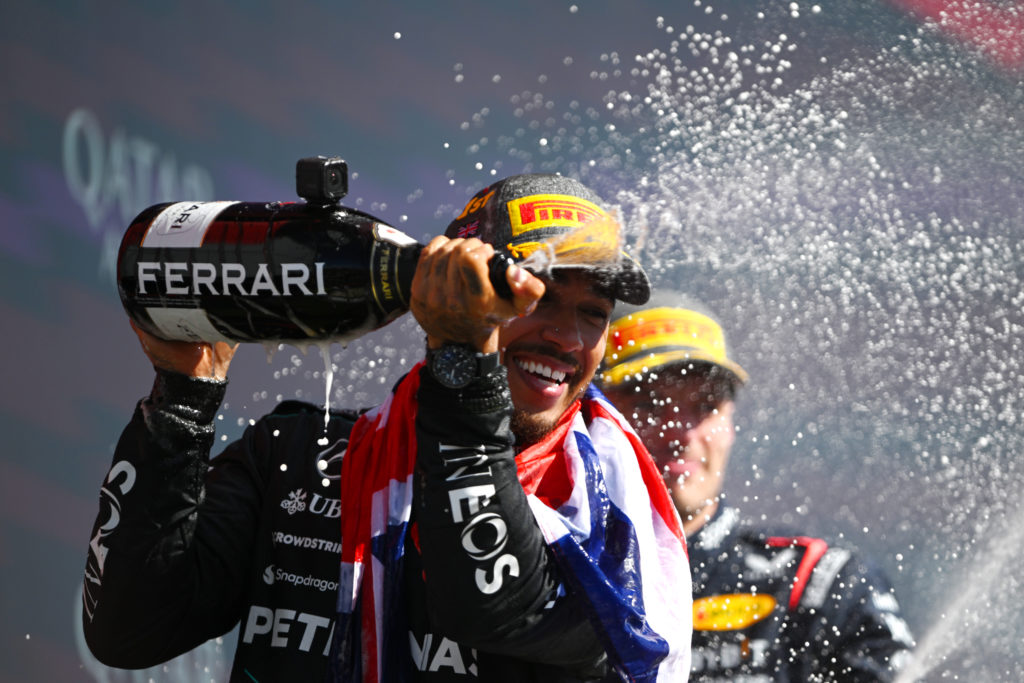
Further success would come at the Austrian GP where Russell was gifted a win after a collision between Max Verstappen and Lando Norris, which Martin Brundle blamed on the Dutchman, while wins on merit at Silverstone and Belgium for Lewis Hamilton enabled Mercedes to take three victories in four races.
Their win at the Belgian GP would have been their first one-two this season, had Russell not been disqualified for having an underweight car. While there is no definitive reason why he was underweight, Mercedes engineer Andrew Shovlin issued a theory behind the disqualification.
Wolff has identified the moment that was a turning point for the team as they developed the W15 and seemingly found more performance than their rivals in a mid-season review on the Mercedes’ official website.
Toto Wolff identifies moment that made ‘picture clear’ for Mercedes
Mercedes has struggled mainly with the correlation between the wind tunnel and the track, which has affected the confidence of both Hamilton and Russell behind the wheel.
However, Wolff believes there was a eureka moment for the team that finally put them on the right path and enabled them to unlock the potential of the W15.
“Our aim over the winter had been to solve the underlying issues that hampered the W14. We managed that but found new problems,” said Wolff.
“This also made the picture clearer. We had ticked many boxes of things we thought had caused our issues. There was not a lot left over, therefore. As we progressed, we realised what we were doing wrong.
“When we got to Europe, those signs kept coming. We saw a real correlation between the virtual world, the tunnel, the simulator and the track. It was a sense of relief but also motivating. We knew what performance we had to bring to the track. The factory worked incredibly hard to bring this as quickly and efficiently as possible.”
James Allison identifies Mercedes key weakness
Technical director James Allison recently elaborated on the key update that enabled Mercedes to improve its overall performance.
Whereas the drivers were focusing on getting the car setup right for the low-speed corners, this would then affect it in the high-speed corners.
READ MORE: Everything you need to know about Mercedes AMG F1 Team from team principal to lineage
Getting the car in a setup window where it could be good in both was a priority for Mercedes engineers, which is where the latest raft of upgrades improved.
The increase in performance on track has led to Mercedes closing the gap in the Constructors’ Championship to 79 points from third-placed Ferrari heading into the final 10 rounds of the season.
Receive exclusive F1 news and updates twice a week to your mailbox