Lando Norris
 McLaren
 Mercedes
 Red Bull
 Ferrari
 Williams
 Racing Bulls
 Aston Martin
 Haas
Haas Alpine
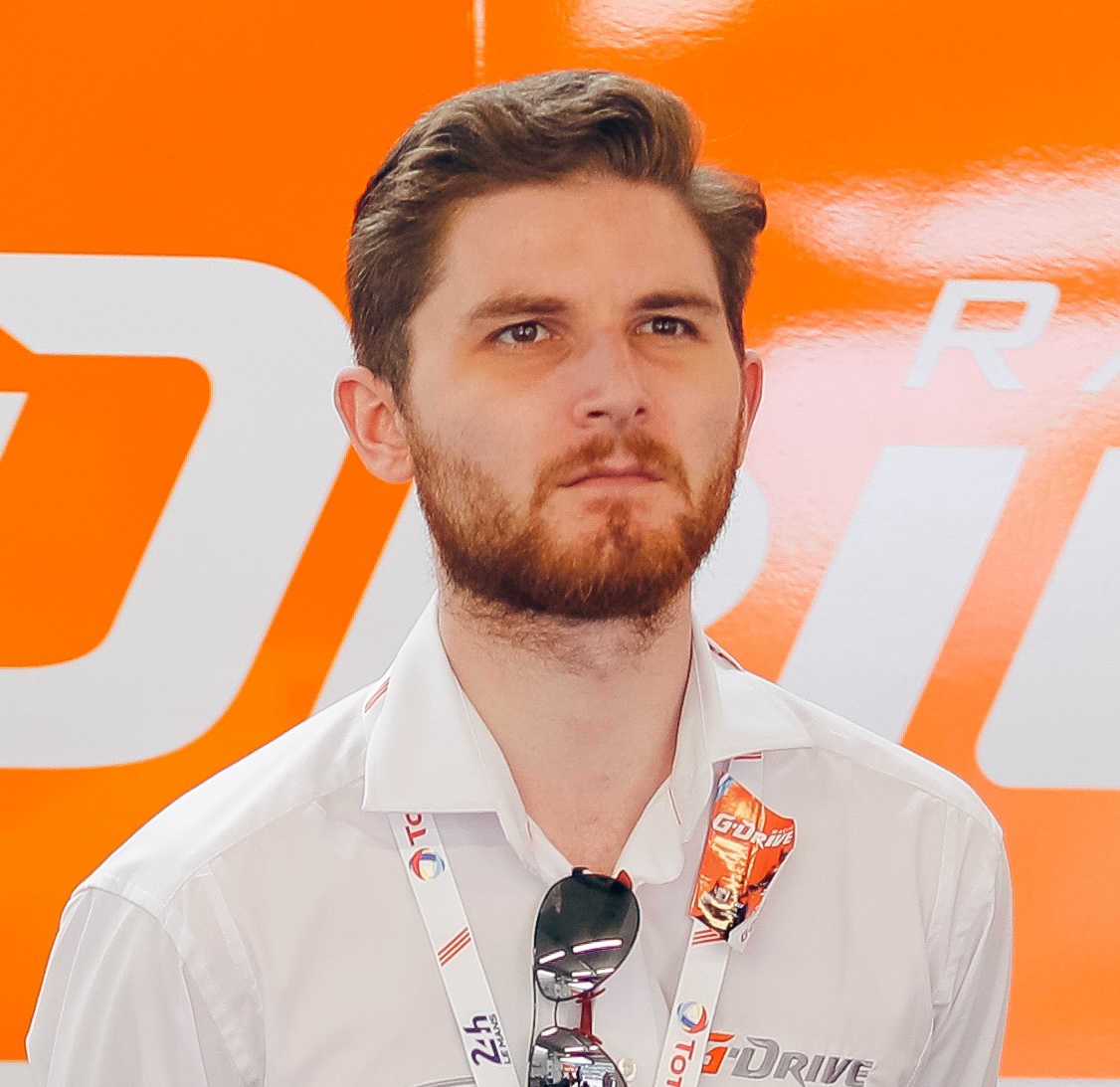

Helmut Marko is known for being ruthless when it comes to managing the Red Bull Young Driver programme, having let go of some impressive talents on their way up the ranks.
Drivers know they have to win races consistently or face the axe, with Red Bull’s recent struggles to find a decent number two driver to Max Verstappen testament to their high standards.
Liam Lawson suffered a confidence setback and is now falling behind Isack Hadjar in Red Bull’s preferred candidates beyond 2025, while the New Zealander could face tough competition from Arvid Lindblad if he gains a superlicence this year.
Marko has built up a culture of competitiveness over the years, and to an extent, it works. Lawson’s promotion to Red Bull was arguably too early, but their previous decisions with Pierre Gasly and Alex Albon were justified, given their experience coupled with results on track.
It’s clear that managing their Young Driver programme is a challenge in itself, but what happens when Marko inevitably leaves his post? With him recently turning 82 years old, the hard-spoken Austrian is unlikely to be there much longer.
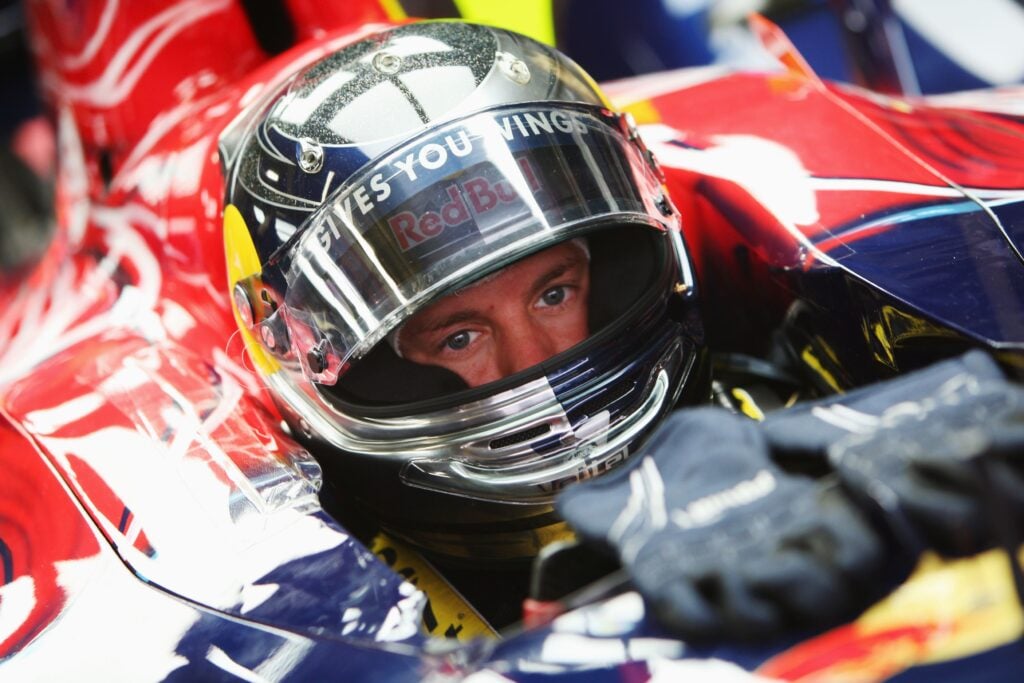
Sebastian Vettel knows what the pressure is like to be a Red Bull junior
Red Bull has been one of the few teams to keep its senior management since it joined the grid, with both Marko and Christian Horner now becoming two of the longest-serving since they took on their roles in 2004.
Marko’s role of being a talent scout and managing drivers has been integral to that success, having nurtured Sebastian Vettel and Verstappen through the ranks.
Vettel retired from F1 at the end of the 2022 season, but has always kept the possibility of a return to the paddock on the cards and would be the perfect replacement for Marko.
Having been signed to Red Bull’s junior team by Marko as early as 1998, Vettel knows exactly what the pressure is like to perform in the high-stakes environment.
Vettel crashed into eventual teammate Mark Webber when he stood a chance of taking their first victory during the 2007 Japanese Grand Prix, while it was a difficult start to his life at the senior team in 2009 when Red Bull struggled to match Brawn GP because of their double diffuser.
Amid another difficult title defence in 2014 when Red Bull’s power unit supplier Renault could not keep up with Mercedes, Vettel went winless before emerging as an unlikely winner for Ferrari the following season.
READ MORE: Who is Red Bull motorsport adviser Helmut Marko? Everything to know
Sebastian Vettel has already started driver management
Now enjoying retirement, the four-time world champion launched the Race4Women initiative which aims to develop grassroots karting in Saudi Arabia and teach 20 young women the principles of racing, fitness and motorsport theory.
Vettel’s activism and outspoken nature also put him on par with Marko, albeit a much more politically correct figure when providing soundbites.
The German sets an example with his conservation efforts, while educating the next generation of drivers on the importance of using their voices. It would be a welcome change to the current Red Bull way of managing drivers, where mental health has often been a worry.
In a world where sports psychology has proven to provide drivers with the extra tenths they need to win, his experience of knowing what it takes to be a world champion would be invaluable.
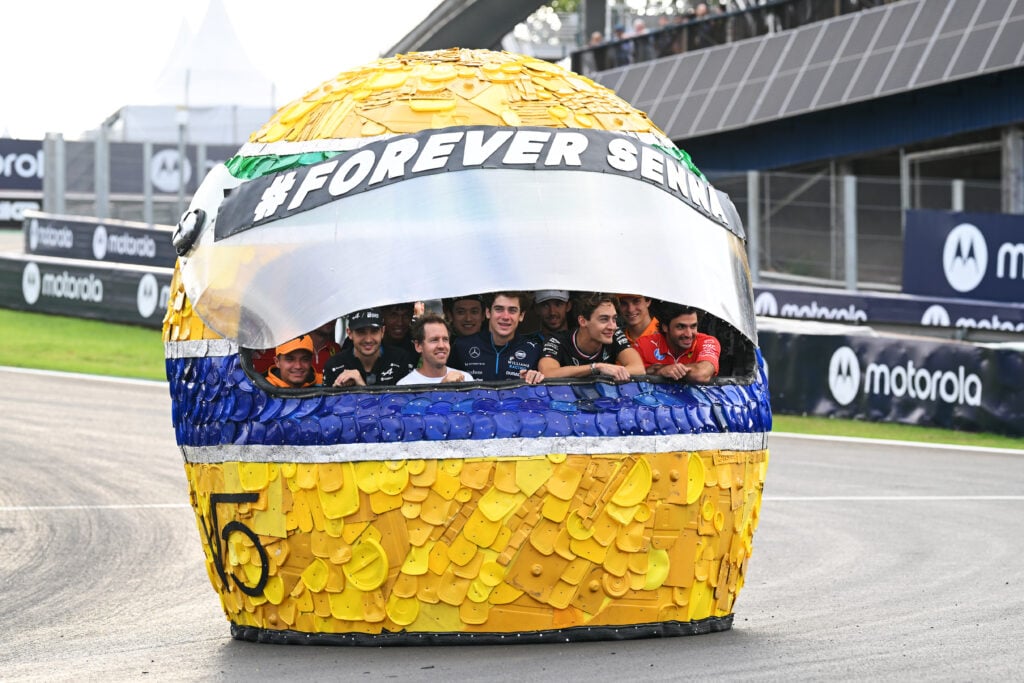
Sebastian Vettel confirms contact with Red Bull over future ‘role’
In a recent interview with the ORF podcast, Sport am Sonntag, Vettel confirmed that he had made contact with Red Bull over a potential return.
“There have been a few headlines now, I still get along very well with Helmut, and we are also in exchange on the subject,” said Vettel.
“These are not yet so intense, and in-depth, but it may be something where I can play a role, but in what form, it will show.”
If he does decide to talk further about taking over some responsibilities, Red Bull would have an impressive asset to help guide future talent at both junior and F1 level.
Receive exclusive F1 news and updates twice a week to your mailbox