Lando Norris
 McLaren
 Mercedes
 Red Bull
 Ferrari
 Williams
 Racing Bulls
 Aston Martin
 Haas
Haas Alpine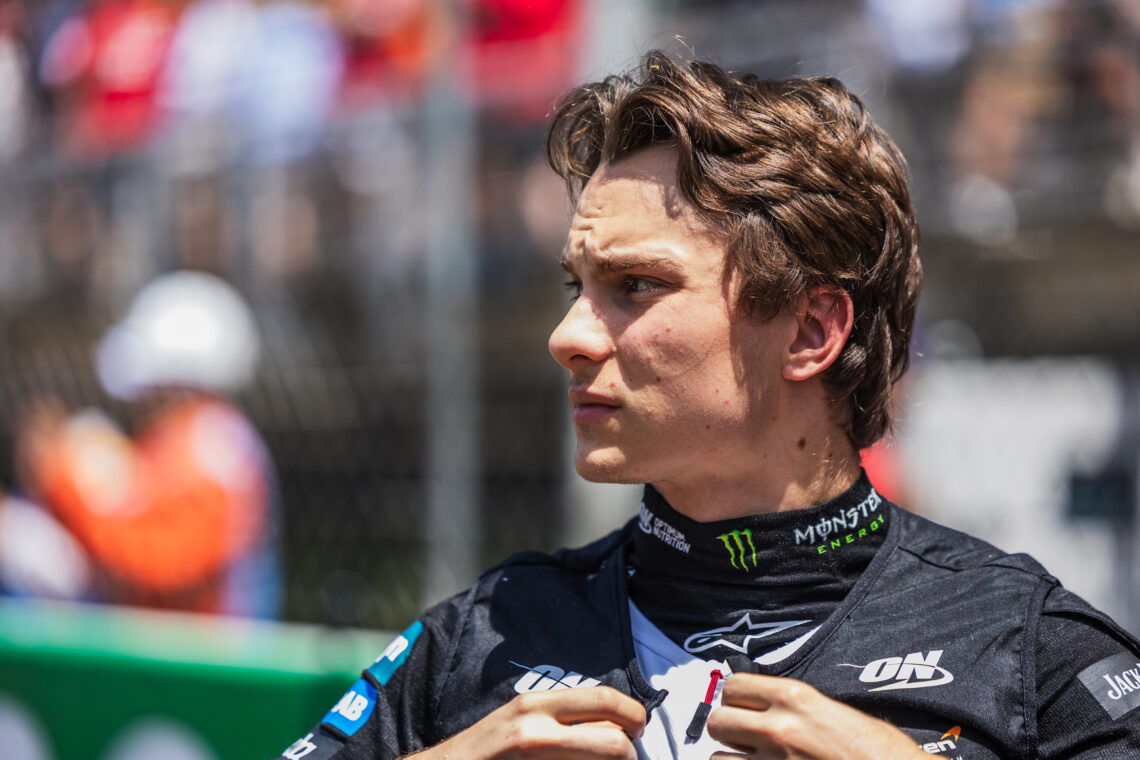


Oscar Piastri is pleased with his early impressions of the 2026 regulations after what he immediately felt driving McLaren’s new car during the Barcelona shakedown test.
The papaya crew did not have an entirely smooth time at the Circuit de Barcelona-Catalunya last week, as Piastri and Lando Norris got to grips with the MCL40. Norris only completed 62 laps on his first day behind the wheel, and Piastri only completed 48 laps during his first run.
McLaren left it as late as possible to complete the build of their latest package before Norris hit the track with the No1 sticker now on his car. Yet Piastri’s first go with McLaren’s new car ended early owing to a fuel system problem, which they overcame to end the test on a high.
Barcelona marked the on-track debut of the MCL40, which McLaren will hope to win a third consecutive constructors’ title with. Norris won his first F1 drivers’ championship in the final year of the ground-effect rules, with 2026 yielding new engine, aero, chassis and tyres rules.
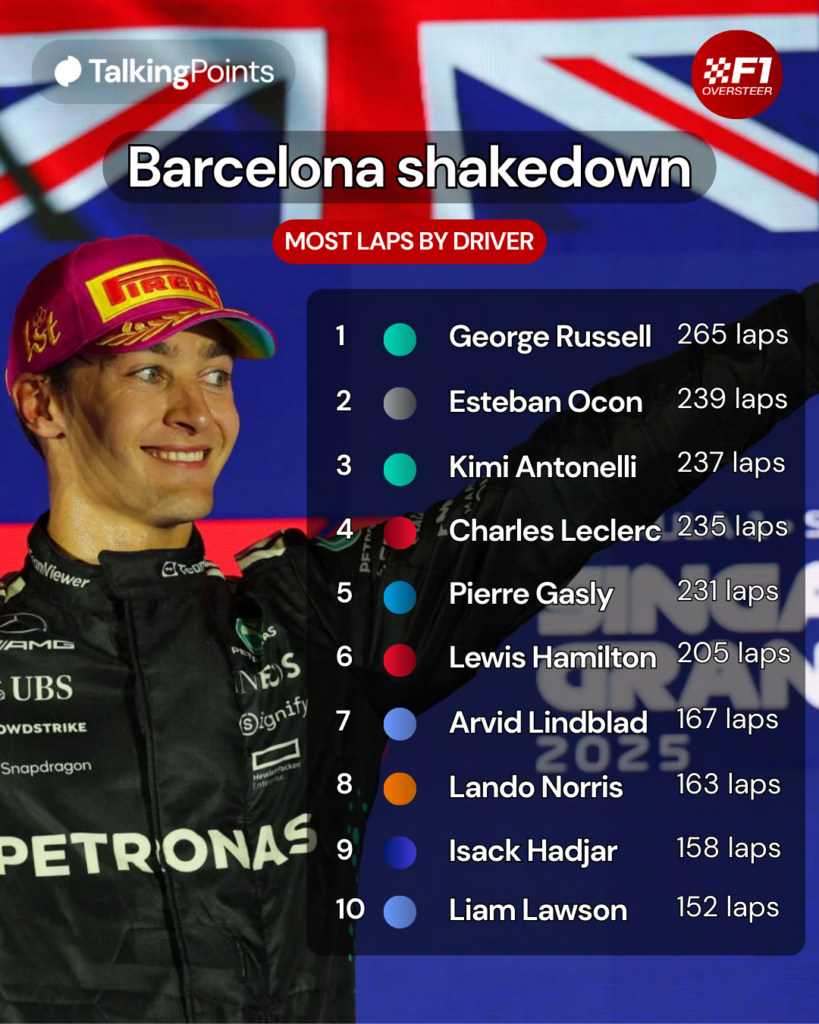
George Russell topped the lap count at the Barcelona Shakedown 🔥
But is mileage everything at this stage? 🤔
Oscar Piastri immediately felt McLaren’s 2026 car is more ‘agile’ with F1’s new front wings
Piastri immediately noticed the different sound that Mercedes’ latest engine produces when the McLaren driver pulled out of the pit lane in Barcelona. The 2026 F1 regulations feature a near 50/50 share between electrical and combustion power and no longer have the MGU-H.
READ MORE: Everything you need to know about F1’s 2026 engine and aero regulations
The 2026 regulations also reduced the width of the front wings from 2,000mm to 1,850mm, so that they sit inside the front wheels. And Piastri believes the latest front wings are a very “positive” change, as he could immediately feel McLaren’s new car is more nimble on track.
Piastri told Motorsport.com: “What did I notice as soon as I left the pits? The engine noise was different than I remembered, but you get used to it quickly.
“Obviously, you notice the smaller front wing, which is always positive because it gives you a feeling of greater agility. But the most important changes are in the handling, and especially in the management of the power unit.”
F1 has simplified and reduced the size of front wings in 2026
You’re in charge of Formula 1, what race are you making a night race?
Let us know why in the comments!
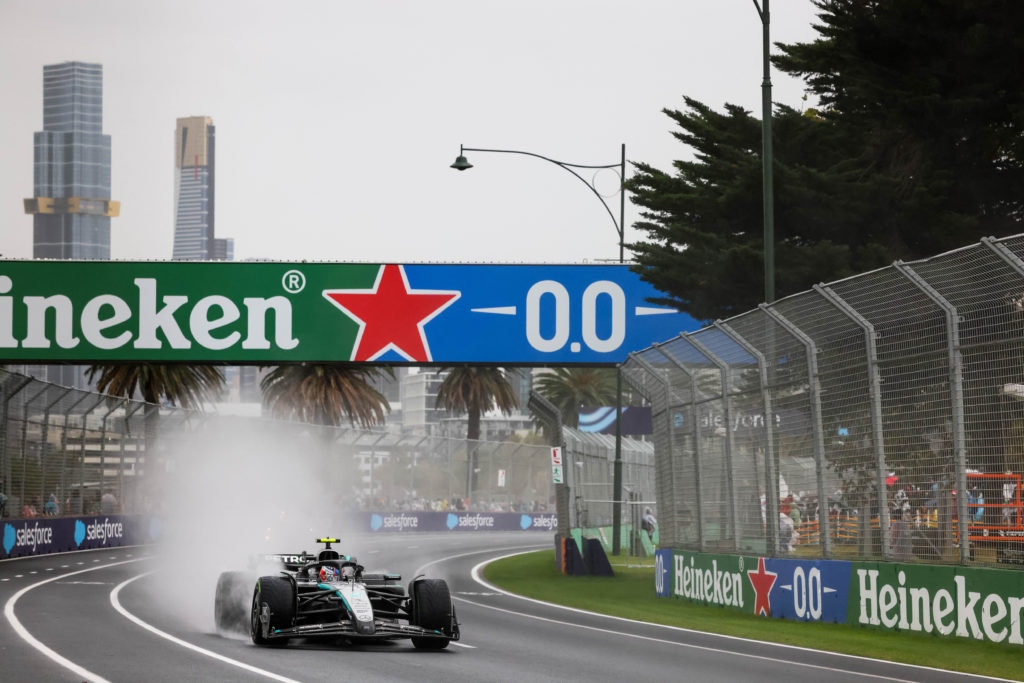
F1 has retained a simplistic front wing format with the 2026 regulations to try to reduce the amount of outwash created, which leads to turbulent air affecting a chasing driver. The new front wings also feature active aero elements, designed to further reduce drag on straights.
A number of teams have developed different front wing designs to suit the new regulations, with Mercedes favouring a fixed lower element with only the upper element able to lay flat. Drivers will be able to manually engage their active front aero in certain areas on each track.
Behind their front wing, the under-nose turning vanes on McLaren’s 2026 F1 car also caught the eye in Barcelona. A little further back, McLaren’s 2026 bargeboard design also stood out in Montmelo, as it could create a lot more outwash than F1 hoped for with the latest rules.
Receive exclusive F1 news and updates twice a week to your mailbox