Lando Norris
 McLaren
 Mercedes
 Red Bull
 Ferrari
 Williams
 Racing Bulls
 Aston Martin
 Haas
Haas Alpine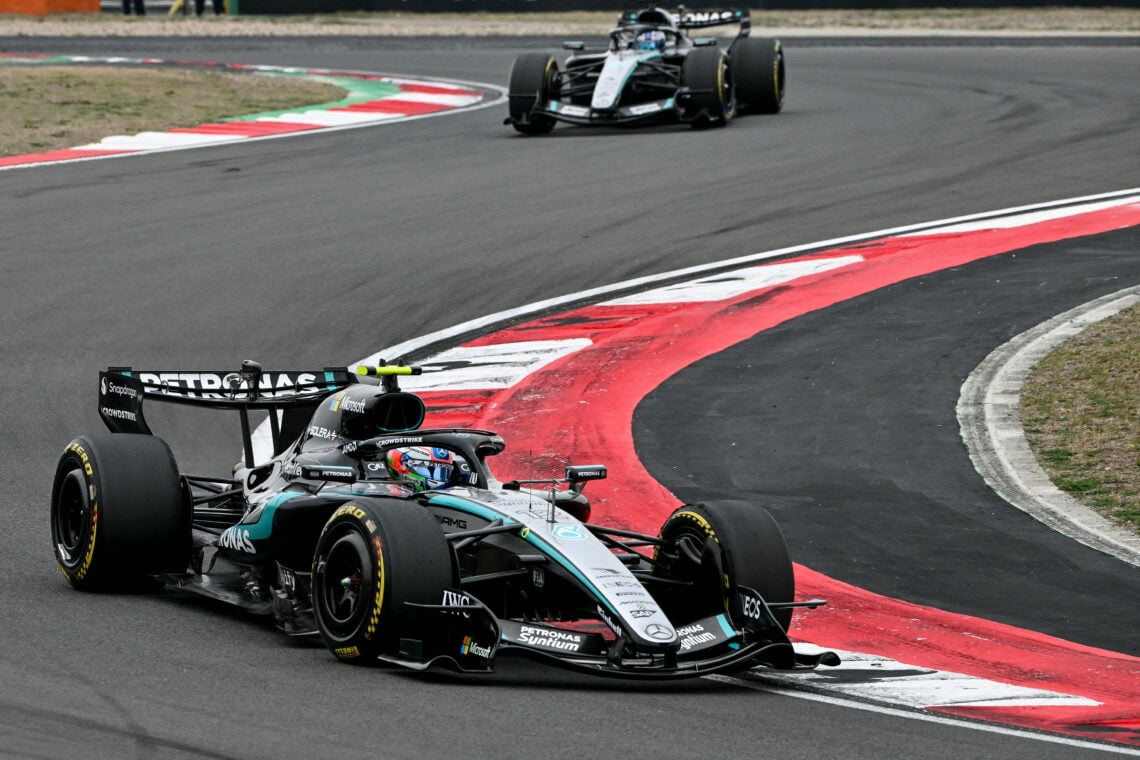


Mercedes’ engine has garnered most of the attention for the dominant start to the 2026 F1 season that George Russell and Andrea Kimi Antonelli have so far enjoyed.
Even before a wheel turned in pre-season testing, let alone in anger, word spread that many rival teams were not happy after Mercedes found a way to increase their compression ratio. F1 has reduced the ratio from 18:1 to 16:1 this season, but Mercedes found a way around it.
The opening two rounds of the 2026 F1 season in Australia and China have even proven that Mercedes’ energy management is superior to their rivals’. The Brackley bunch are less prone to super clipping on long straights, which lets Russell and Antonelli maintain a higher speed.
Russell and Antonelli even finished first and second between them during qualifying and the Grands Prix in Melbourne and Shanghai. Russell won the Australian Grand Prix from pole, as well as the F1 Sprint in Shanghai, while Antonelli took his first F1 Grand Prix victory in China.
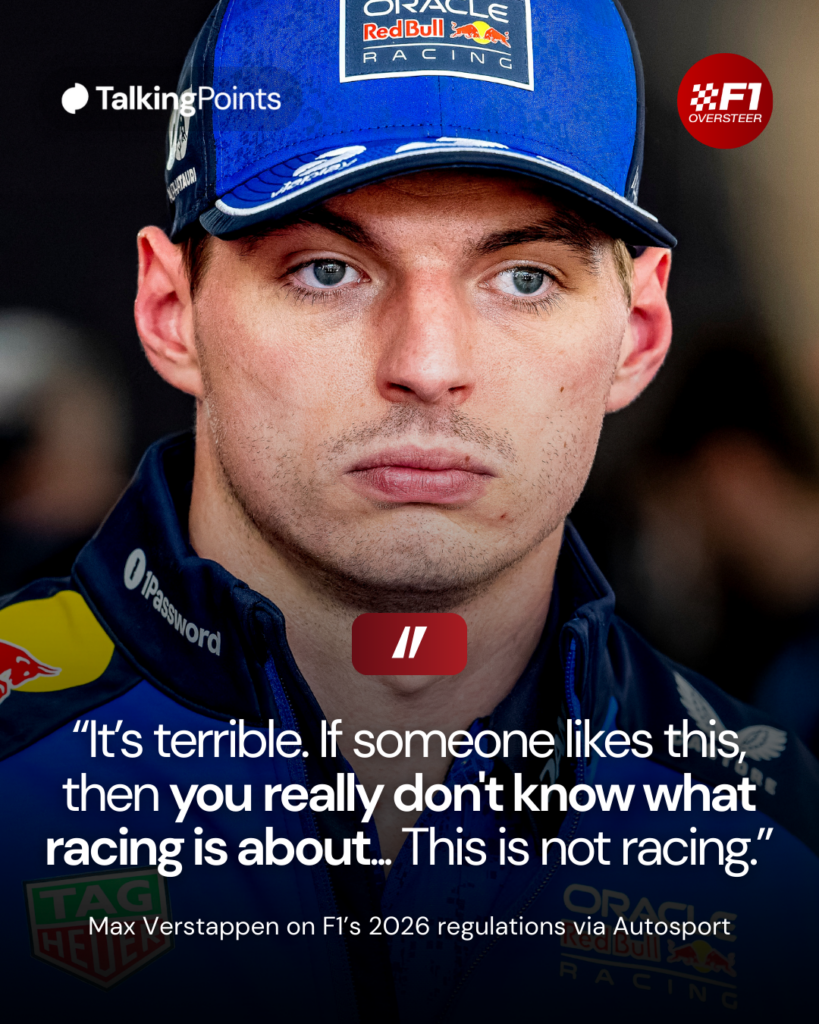
Would Max Verstappen be complaining about F1’s 2026 regulations if he had joined Mercedes?
Mercedes’ suspension is an underrated weapon given its positive impact on tyre wear
But Mercedes’ engine is only part of the reason why Russell and Antonelli look set to battle between themselves for the F1 drivers’ championship this year, barring any major upgrades from most likely Ferrari. Russell sits 17 points clear of Ferrari’s Charles Leclerc in third place.
READ MORE: All you need to know about Mercedes F1 Team from team principal to lineage
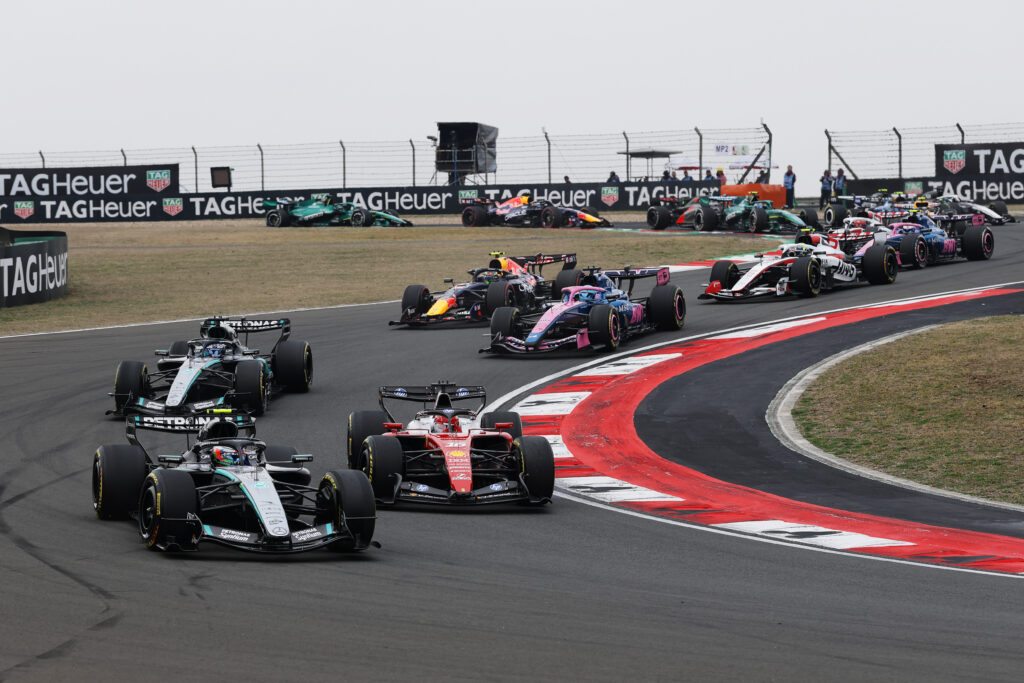
Mercedes’ suspension is proving to be an underrated weapon, with the focus often being on their engine. According to Motorsport.com, the suspension set-up that the Silver Arrows are running this season is giving a hugely beneficial impact on the W17’s handling and tyre wear.
The way the W17 handles due to Mercedes’ suspension affects how the whole car behaves in the corners, which is in turn offering a ‘positive impact’ on tyre management. Mercedes’ advantage was made clear as Russell pulled away from Leclerc and Lewis Hamilton in China.
After Kimi Antonelli’s win in Shanghai, which F2 graduate will be the next to win their first Grand Prix?

Russell only cleared Ferrari’s Hamilton on Lap 27 and Leclerc on L29 with moves on the back straight, thanks to Mercedes’ superior energy management. Yet he finished the race 19.752s and 23.379s clear of the Ferrari duo, pulling away by 0.681s and 0.806s per lap on average.
Hamilton and Leclerc’s duel over P3 in the Chinese GP helped Russell build some of his lead over the Ferrari racers, as they cost each other time as well as causing extra damage to their Pirelli tyres. But Ferrari need to work on their tyre management to begin to rival Mercedes.
Receive exclusive F1 news and updates twice a week to your mailbox