

 Lando Norris
 McLaren
 Mercedes
 Red Bull
 Ferrari
 Williams
 Racing Bulls
 Aston Martin
 Haas
Haas Alpine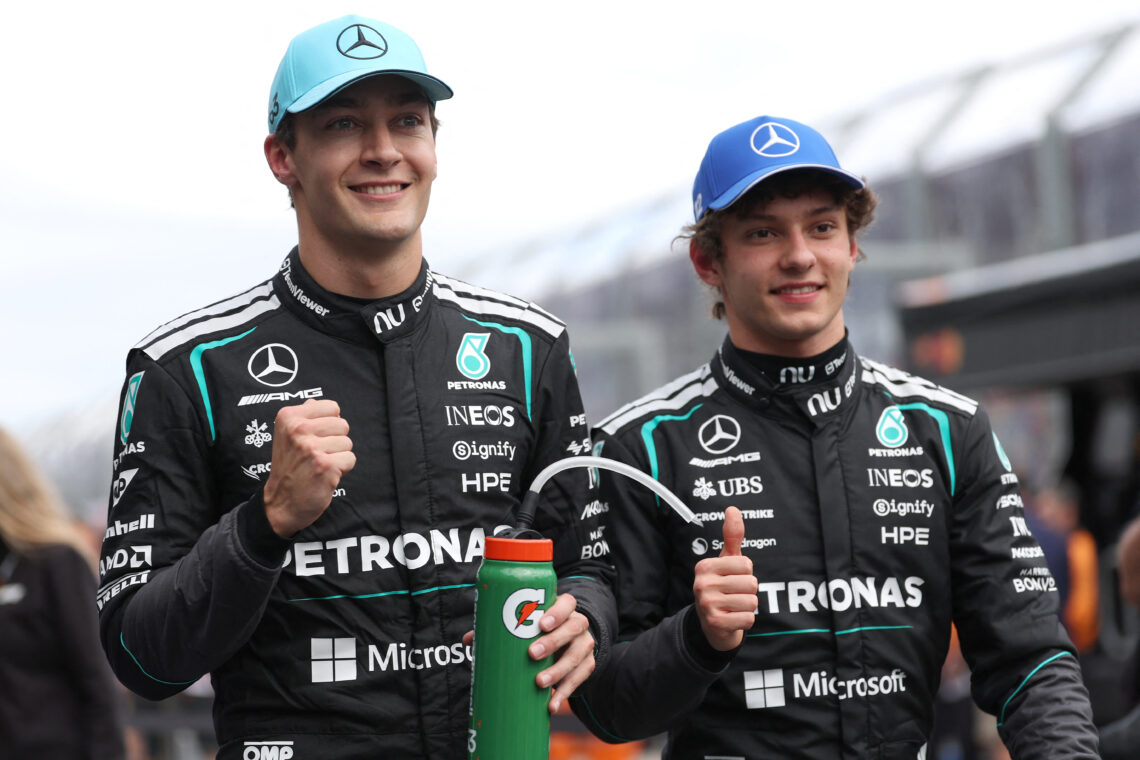


Telemetry data from the 2026 F1 Australian Grand Prix reveals that Mercedes’ energy management was in a different league to the rest of the field, especially in qualifying.
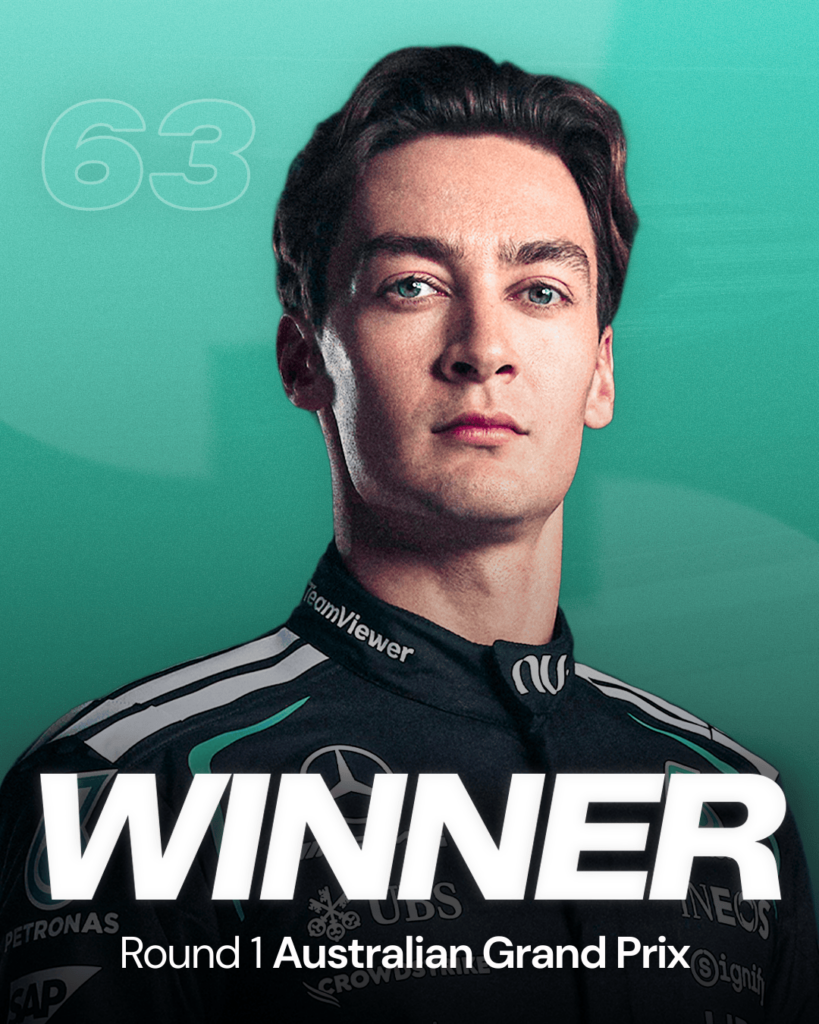
George Russell secured Mercedes the first pole position of the 2026 F1 season in Melbourne last Saturday, with teammate Andrea Kimi Antonelli also qualifying second on the grid. Isack Hadjar was the best of the rest on his Red Bull debut, but he was 0.785s slower than Russell.
Mercedes were also the only team to have at least one of their drivers lap Albert Park in the 1:18s throughout qualifying last weekend. Russell set pole for the 2026 Australian GP with a 1:18.518 and Antonelli did a 1:18.811 in Q3, compared to Hadjar’s best effort of a 1:19.303.
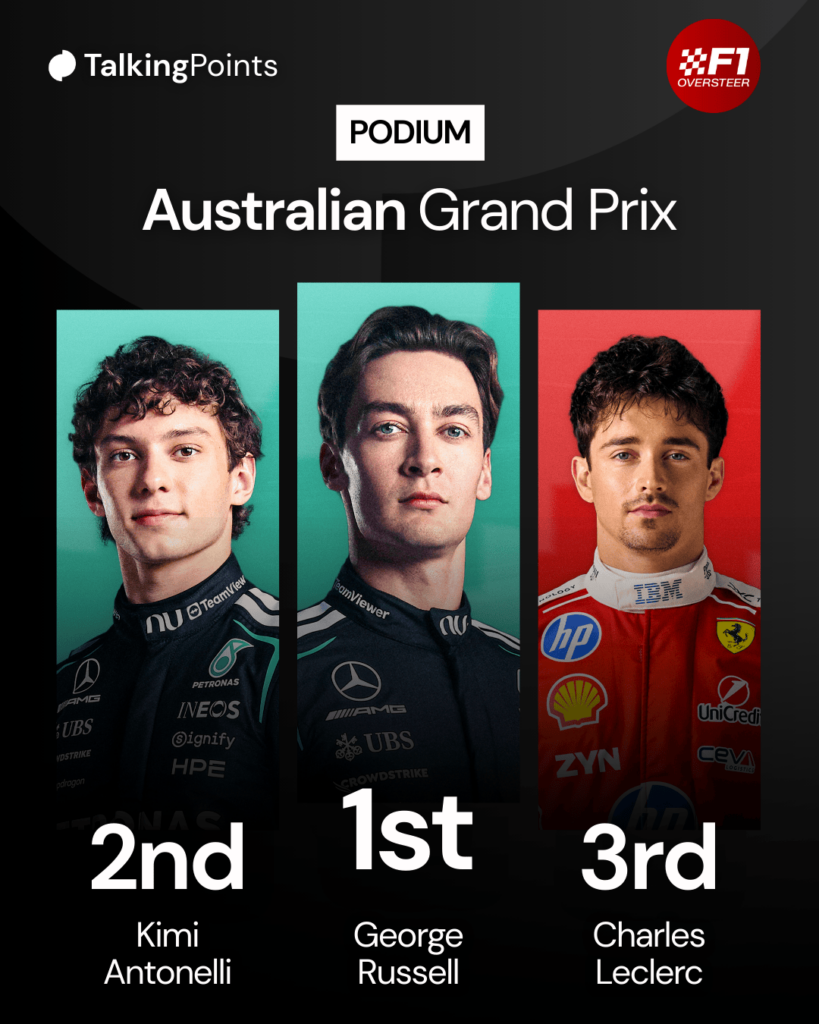
Pitting under the early virtual safety car (VSC) on Lap 12 also helped Mercedes to get a one-two finish in the Australian GP on Sunday. Russell beat Antonelli to win the Australian GP by 2.974s, while Ferrari drivers Charles Leclerc and Lewis Hamilton finished in third and fourth.
Victory for Russell in Australia! Is it the first of many for Mercedes in 2026?
Mercedes have a clear energy management advantage in qualifying over the 2026 F1 grid
Qualifying in Australia gave the grid their first true look at how their rivals have interpreted F1’s 2026 regulations, which have made engines the biggest performance differentiator. F1 has increased the electrical power split from 20/80 to nearly 50/50 and ditched the MGU-H.
READ MORE: Five things we learnt from the 2026 Australian GP after Oscar Piastri crashed
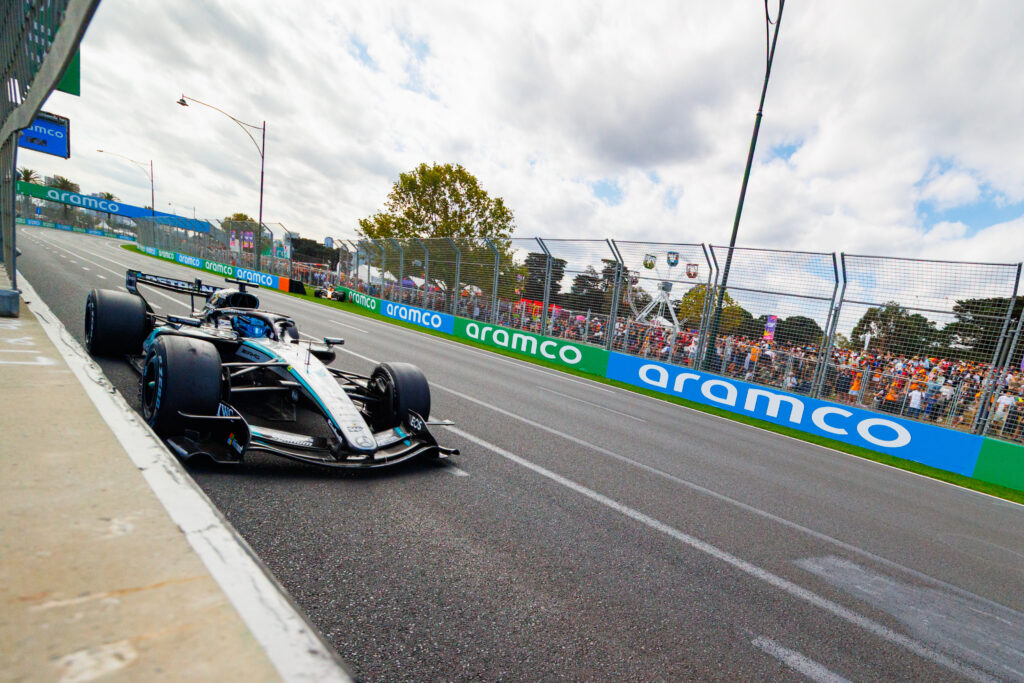
Telemetry from qualifying on Saturday also shows Mercedes have a decisive advantage over their rivals in terms of energy management. F1technical reports that Mercedes’ new PU let Russell and Antonelli maintain a higher top speed for longer before they faced any clipping.
Mercedes did not start harvesting energy until much later along the straights than their rival teams in Melbourne, along with having a smaller power drop-off when they regened energy. Red Bull and Audi’s 2026 regulations engines especially lost pace earlier and more abruptly.
The pace that Russell could carry through Albert Park’s high-speed Turn 8 especially proved how strong Mercedes’ engine was in Australia. He hit 327km/h (203mph) through T8 and no rival driver could get anywhere close to the Briton’s top speed or match his consistent pace.
Mercedes’ energy advantage in Australia will give George Russell a huge edge in China
Here’s your top three from the Australian Grand Prix! Were you surprised by the podium finishers?
Russell’s telemetry from qualifying for the 2026 Australian GP shows why pre-season testing never offers a real sign for how teams prepared for a new season. Mercedes boss Toto Wolff claimed Red Bull’s energy management gave them a one-second a lap advantage in Bahrain.
Had Max Verstappen not crashed during qualifying for the Australian GP without completing a lap in Q1, he may have been able to challenge Russell and Antonelli more than Hadjar was ultimately capable of. But even Verstappen would have likely struggled to challenge for pole.
Verstappen, Hadjar and the Ferrari pilots of Hamilton and Leclerc will likely struggle to battle for pole for the Chinese Grand Prix this week, too, given how strong the Mercedes PU was in Australia during qualifying with Russell and Antonelli and Shanghai’s lengthy back straight.
That said, McLaren’s speed disadvantage against the Mercedes during qualifying in Australia suggests set-up decisions are also a key factor in energy management. McLaren have rued the lack of information that Mercedes have offered them about their engine to date, as well.
Receive exclusive F1 news and updates twice a week to your mailbox


