Lando Norris
 McLaren
 Mercedes
 Red Bull
 Ferrari
 Williams
 Racing Bulls
 Aston Martin
 Haas
Haas Alpine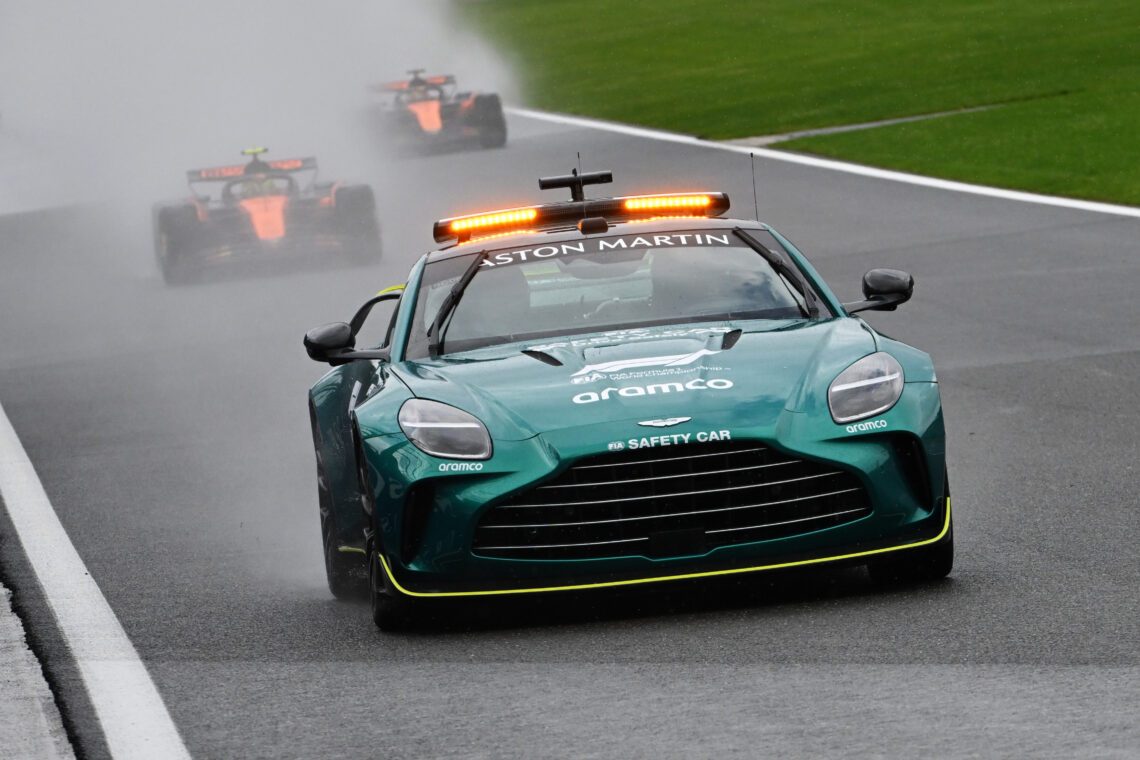


F1 fans probably let out a collective groan when FIA Race Control elected to suspend the Belgian Grand Prix after just one formation lap of Spa Francorchamps.
Everyone has seen the script before, where F1 cars trundle around a sodden track at a snail’s pace and drivers are left complaining about the conditions, only for commentators and fans to draw comparisons to how it was back in the 80s and 90s.
Max Verstappen was pretty vocal in feeling Race Control had left starting the Belgian GP too late, while Lewis Hamilton thought there was no need to do a rolling start. Jolyon Palmer also felt the race should’ve got underway sooner when speaking on F1 TV: “Quite clearly, we were 11 laps away from slick tyres, so they could’ve gone earlier and that would’ve suited Max.”
Red Bull specifically chose a wet setup for Verstappen to take into the race, so there was a lot to be gained for the Dutchman. Likewise, Hamilton, who qualified at the back of the field and would’ve used the conditions as an opportunity to prey on the drivers with less experience in the wet.
In the end, they only did 12 laps before needing to pit for slick tyres – less than a quarter of the race distance. Fans questioned why F1 doesn’t have wet tyres that can handle the rain, but the race was suspended for a different reason.
FIA were right to red flag Belgian Grand Prix due to poor visibility
The decision to initiate the start sequence under Safety Car was done primarily to assess the conditions, and it was clear that they were not viable.
Charles Leclerc, who started from third, complained that he could not see anything up to 10 meters in front of him and noted to his race engineer, Bryan Bozzi, that he would be risking a crash if he asked for a change on his steering wheel.
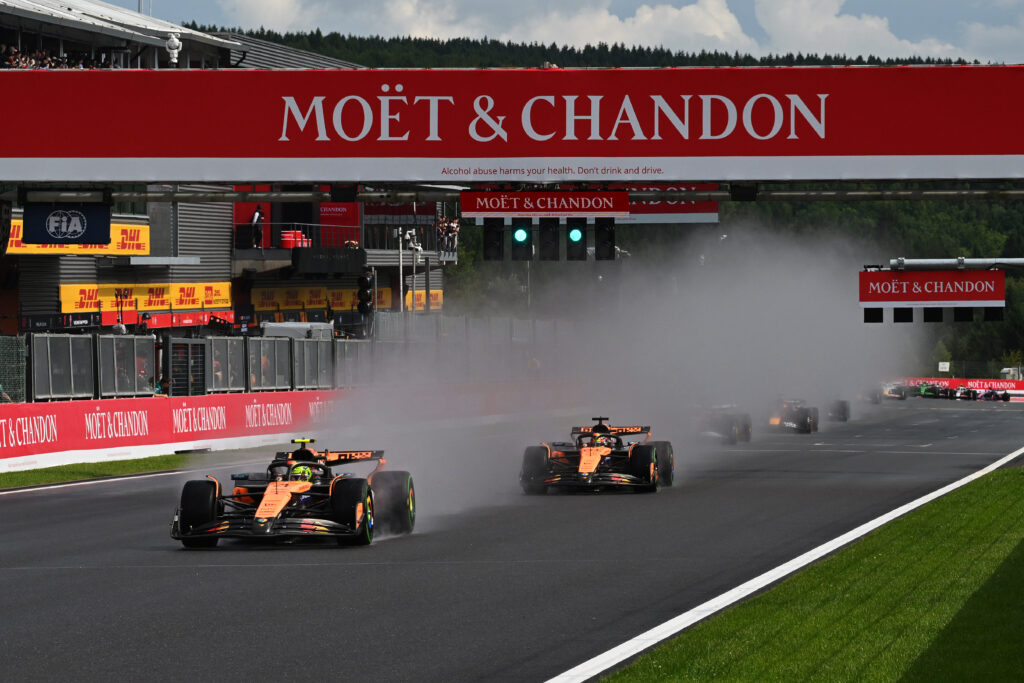
George Russell also noted the poor visibility from the spray, which is a common problem with these ground-effect cars because of how low they run to the ground. Standing water also becomes an issue for cars as they are more prone to aquaplaning, which could lead to a dangerous outcome.
Race Director Rui Marques, who has only been in the job since November last year after the sacking of Niels Wittich, rightly erred on the side of caution, given the history of mishaps in junior formulas at this track in wet conditions.
The Formula 3 race earlier in the day had been red-flagged because a driver was unsighted on the Kemmel Straight and crashed into the back of another. Had the same happened in F1, there would’ve been cries that the FIA were risking drivers at a track that has claimed lives in the past.
Wittich was criticised after he delayed a red flag call in Brazil last year, his final race before being axed, and was often criticised for not listening to feedback from drivers enough.
As it turned out in Spa, all 20 cars finished the race without any major incident thanks to Marques’s race management.
Formula 1 must fix its wet tyre problem
F1 has an inherent problem with wet conditions that has not been addressed in the last five years. The conditions have to be close enough to dry for it to work, as was the case in Melbourne and Silverstone, but rarely are races conducted when the full wet tyres are required.
Full wet tyres are hardly tested because of how difficult it is to stage one and the restrictions on in-season testing, plus they produce more spray because of the amount of water they displace (60 litres per second). Then there is the added problem of performance.
The tread of the full wet tyres increases the ride height of the cars, which can impact the balance too much. This is why drivers often opt for the less harsh Intermediate tyre, especially when it looks like there could be a crossover to slicks.
F1 has investigated methods to reduce spray in years gone by, including fitting guards to the wheels to try and contain some of the water. All of these were rejected because they offered little to no improvement.
The 2026 F1 regulations will rely less on ground effects to generate downforce, but the lack of testing for full wet tyres could still force F1 into being reluctant to stage races in conditions often lauded for being the great equaliser.
Receive exclusive F1 news and updates twice a week to your mailbox