Lando Norris
 McLaren
 Mercedes
 Red Bull
 Ferrari
 Williams
 Racing Bulls
 Aston Martin
 Haas
Haas Alpine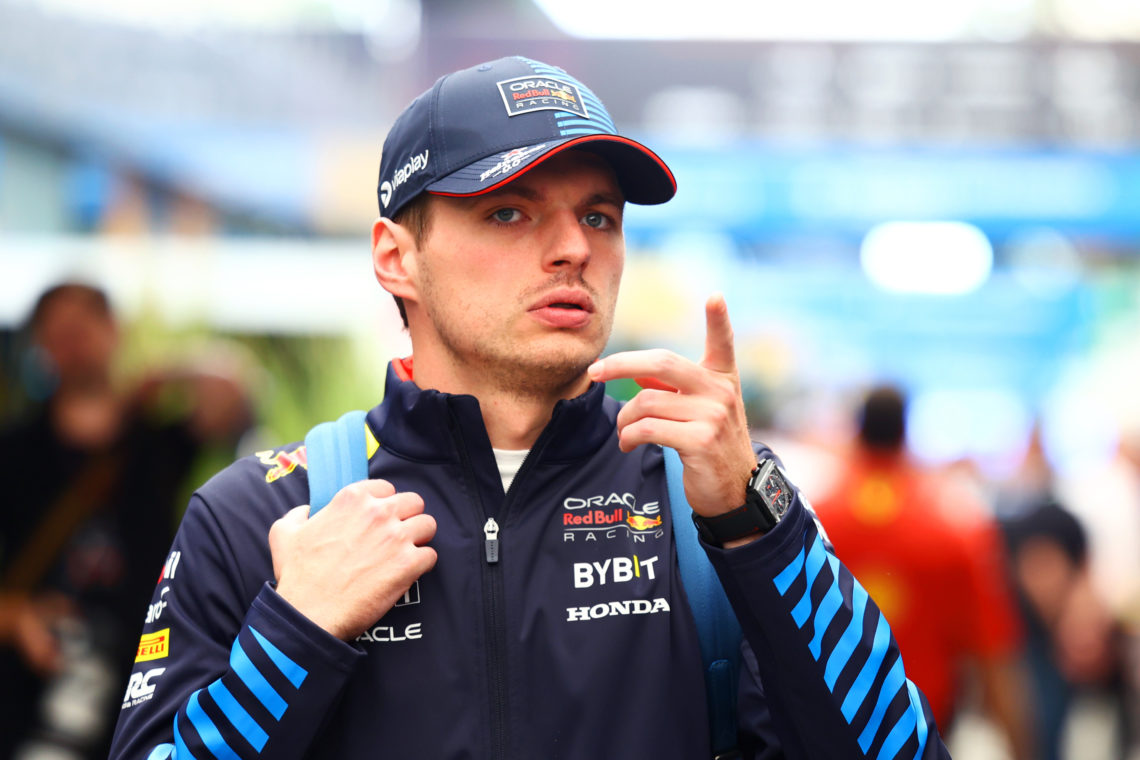


Max Verstappen was left furious with a decision from Race Control during qualifying for the Sao Paulo Grand Prix which put him towards the back of the grid.
The Dutchman was under pressure to finish his lap in the closing stages of Q2 when Lance Stroll crashed his Aston Martin at Curva do Sol, causing a brief double yellow before the session was red-flagged.
Several drivers including Charles Leclerc and Liam Lawson were able to complete their laps before the stoppage, but as Verstappen completed the second sector the red flag was thrown.
With a minute left on the clock, it was decided not to restart the session, which meant that Verstappen was left with a time that was only the 12th fastest. With his five-place grid penalty, it means he drops back to P17 on the grid for the Grand Prix.
Verstappen was livid with the decision from Race Control to delay the red flag when speaking to Sky Sports, although there were at least three factors that were taken into consideration.
Max Verstappen questions why it was not ‘instant’ red flag for Lance Stroll crash in Sao Paulo qualifying
The decisions made by Race Control that impact Verstappen have been under the spotlight this weekend after he received a penalty for a Virtual Safety Car infringement in the Sprint race.
The VSC was deployed several seconds after Nico Hulkenberg came to a stop on track with an issue, enabling McLaren to swap Oscar Piastri and Lando Norris to favour the Briton in the points.
Now Verstappen has questioned why it took so long for Race Control to throw the red flag after the incident, considering it was clear Stroll was not getting back underway.
“If a car crashes it should be an instant red flag. I don’t understand why it takes 30-40 seconds for a red flag to come out,” said the Dutchman.
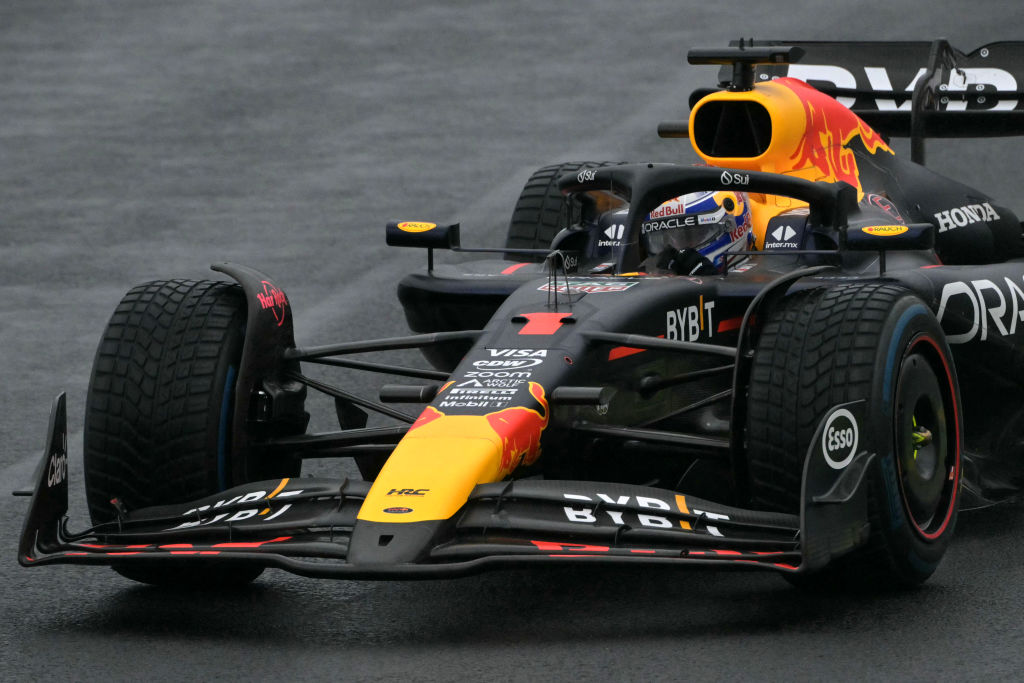
The three factors impacting the Red Flag deployment for Lance Stroll’s crash
Various factors impact the deployment of a red flag in a session. The longstanding policy of Race Control in the past has been a crash that is significant enough in qualifying warrant’s an instant red flag to neutralise the field on hot laps.
In this case, Stroll had crashed at Turn 3 but it was not apparent that he would not be able to get underway to make it back to the pit lane. The Aston Martin driver appeared to keep his engine running in a bid to get going again, without realising the extent of the damage at the rear of the car.
Other cars were also on laps and given the proximity of the accident, it is likely Race Control allowed them to complete these before stopping the session. In the case of Verstappen, he was already going to get knocked out by Leclerc’s effort anyway, while he passed the incident zone when he began his lap.
The other factor for Race Control would have been avoiding a stoppage where possible due to the tight turnaround time between qualifying and the race, given the session is happening on the same day due to the weather situation.
Receive exclusive F1 news and updates twice a week to your mailbox