Lando Norris
 McLaren
 Mercedes
 Red Bull
 Ferrari
 Williams
 Racing Bulls
 Aston Martin
 Haas
Haas Alpine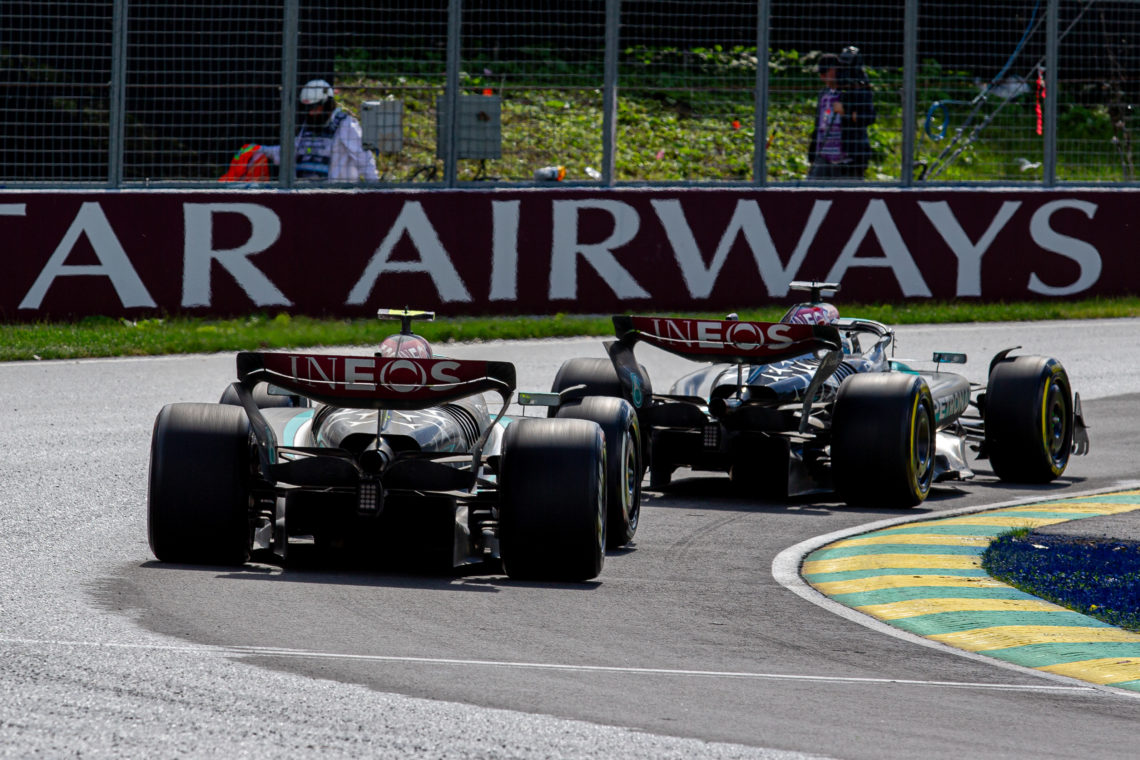


Mercedes technical director James Allison has believes a key change made to the Mercedes W15 means their drivers are no longer ‘fighting’ the car.
Since the beginning of the 2022 ruleset, the German manufacturer has struggled to produce a car that has consistently challenged Red Bull and Ferrari. In the last three seasons, their cars have only produced one race win at the 2022 Brazilian Grand Prix.
Mercedes has found themselves relegated to the fourth fastest team, now that engine customers McLaren have overtaken them in terms of performance on track.
Allison thinks the team has made a significant step in the last couple of races which made their car easier to drive for George Russell and Lewis Hamilton, when discussing it in their Strategy Debrief video.
READ MORE: Everything you need to know about Mercedes AMG F1 Team from team principal to lineage
James Allison names key Mercedes change after the Canadian Grand Prix
The main area that has affected the W15 has been its inconsistency across high and low-speed corners. For example, if the team focuses on eliminating understeer at low-speed, then it would result in the car oversteering through high-speed corners.
Getting on top of that has been the focus of Mercedes engineers since the start of the season, ensuring that the car has better consistency and brings more confidence to their drivers.
Hamilton has noted how “corner balance”, via Motorsport Week, is an area that Mercedes has been lacking compared to other teams, despite improving their ride quality issues of the past.
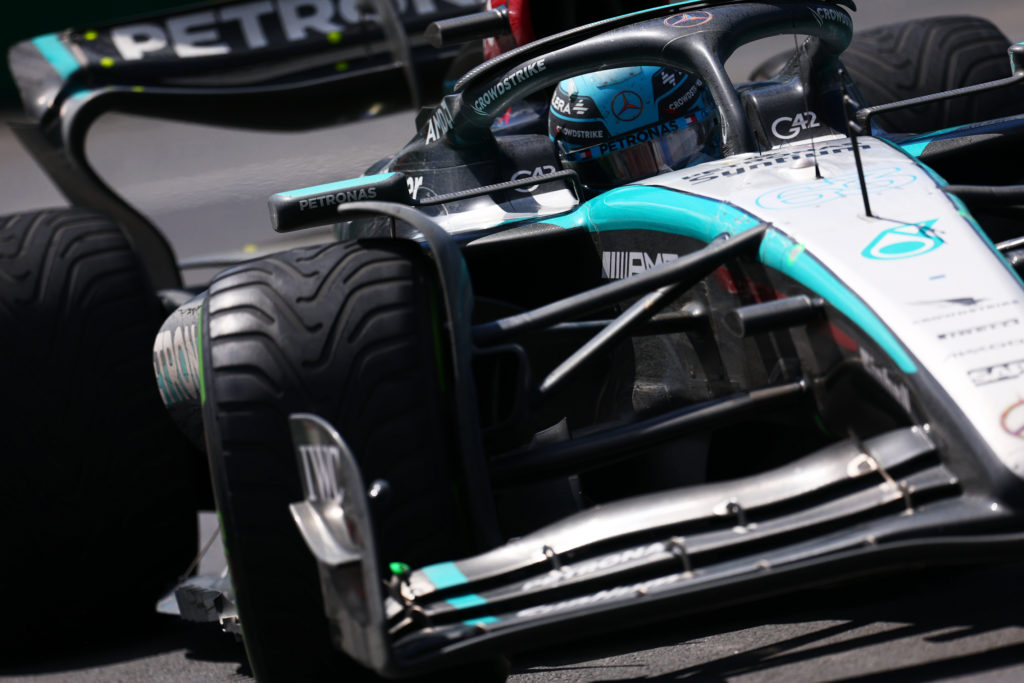
The team introduced a new front wing concept at the Monaco Grand Prix, which proved to be critical in unlocking the aerodynamic balance improvement it hopes can transform its F1 season.
Both cars ran the new specification in Canada and the performance improvement was visible, with Russell taking pole after setting an identical time to Max Verstappen. The Briton would have challenged for the win, had it not been for a few errors that cost him in the latter stages of the race.
James Allison outlines important change that makes car ‘friendlier’
Allison believes the new front wing has delivered more performance to their car, specifically by addressing some of the problematic areas that have held their drivers back.
“We’ve got an idea of how it will behave because we ran it in the previous race in Monaco. We had two of them in Montreal and expected it to perform well. We expected it to offer a bit more in Canada than Monaco because the Canada circuit is more of a normal track. And it did,” said Allison.
“It delivered more performance, made it easier to drive, well balanced, and made the car the drivers’ friend rather than fighting which has been problematic in the opening part of the season for us.
“The characteristics of Montreal probably make it a little quicker than we have a natural right to command at the coming races. It’s more likely that we will be competitve, but not right at the front. The next tracks are a little bit of a sterner test of a car; hot asphalt, wider cornering speeds etc..
“That said, I also know what we’re planning to further improve the car and our challenge is to keep those bits arriving at a pace the other can’t keep up with and in doing that, just bullying our car to the front by virtue of the effort made by everybody.”
Mercedes enters the European triple header with a significant points gap to their rivals, but hope they can improve their fortunes with their latest performance improvements.
Receive exclusive F1 news and updates twice a week to your mailbox