

 Lando Norris
 McLaren
 Mercedes
 Red Bull
 Ferrari
 Williams
 Racing Bulls
 Aston Martin
 Haas
Haas Alpine


Formula 1’s new regulations come into effect in 2026, but several concerns are being raised in the paddock about the changes to the cars.
F1’s new rules will see the sport move towards using sustainable fuels, while the engines will have a 50/50 split between internal combustion and electrical power, with the removal of the MGU-H. The 2026 power units are the key reason why new manufacturers Audi and Cadillac have joined the grid.
| TEAM | ENGINE |
| Red Bull | Red Bull Powertrains (in partnership with Ford) |
| Ferrari | Ferrari |
| McLaren | Mercedes |
| Mercedes | Mercedes |
| Aston Martin | Honda |
| Racing Bulls | Red Bull Powertrains (in partnership with Ford) |
| Haas | Ferrari |
| Williams | Mercedes |
| Alpine | Mercedes |
| Audi | Audi |
| Cadillac | Ferrari |
While F1 is set to transform under the new regulations, which could shake up the pecking order, many issues have been raised. The drivers have been ‘very critical’ about the simulations they have seen while testing the new cars.
Charles Leclerc says the 2026 cars are ‘less enjoyable’ to drive. These thoughts have been echoed by his Ferrari teammate Lewis Hamilton, who warned via Sky Sports in 2024 that the machines will be slower.
The drivers have raised concerns about the battery and how they may have to lift off the throttle to recharge it. While the FIA have admitted that the cars will be slower to begin with, they do not see it as that big of a problem.
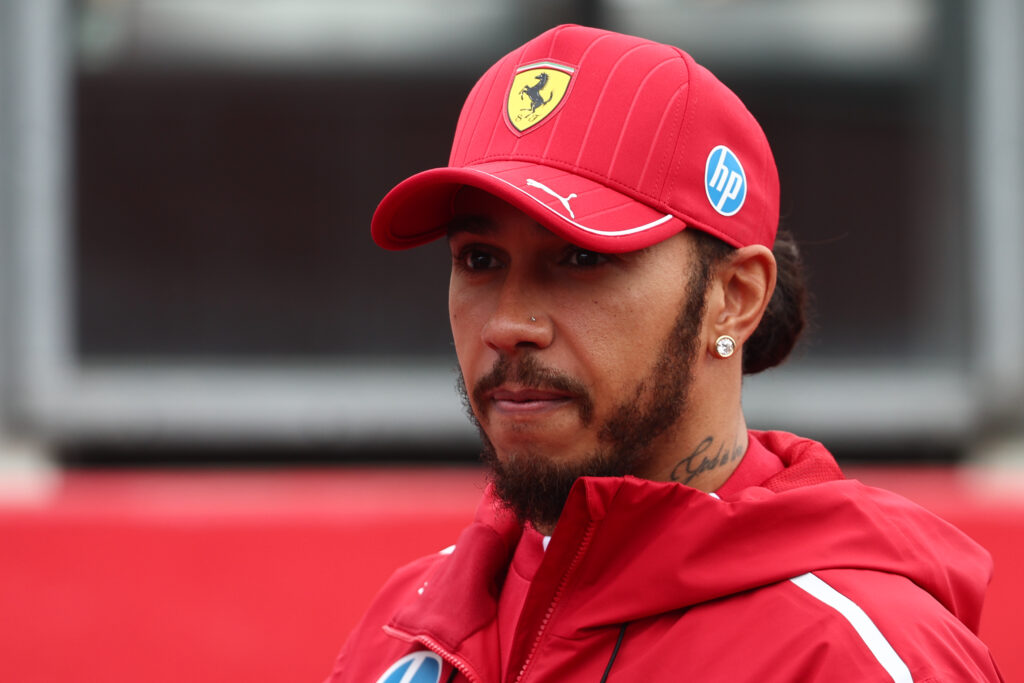
Nikolas Tombazis is ‘surprised’ by how worried people are about the 2026 F1 cars being slower
F1 CEO Stefano Domenicali says the 2026 rules are not driven by the power units. He describes it as a ‘compromise’ for the manufacturers, but says it is only the beginning, as further developments can be made after they are introduced.
FIA chief Nikolas Tombazis spoke to Auto Motor und Sport about the 2026 rules. He says he is ‘surprised’ by how worried people are about the speed of the cars, and has reassured the drivers that while the times will be initially slower, they will improve over time.
“I’m always surprised by how important this issue is to people,” he said. “There have been phases in the history of the sport where lap times have slowed down.
“I don’t think that has harmed the sport. You get used to it quickly. There are also differences of one and a half seconds within the field. Does that make the slower car an unattractive race car? The driver feels the one and a half seconds. From the outside, you can hardly see them.
“To reassure you, according to our simulations, the cars will be between one and two and a half seconds slower per lap. But that’s just the beginning. The teams will quickly develop the cars further.
“Soon, no one will complain that the cars are too slow. We’re not dropping down to Formula 2 level. To be fair, I have to admit that we haven’t received data from all teams about the expected downforce of their cars. So it’s possible that some may be in a worse position at the beginning.
READ MORE: Ferrari driver Lewis Hamilton’s life outside F1 from net worth to family
The FIA are debating further changes to the 2026 rules that will worry manufacturers
As Tombazis states, the 2026 regulations are not complete. Many changes have already been tabled by FIA president Mohammed Ben Sulayem, which have been received negatively by manufacturers.
Ben Sulayem suggested a return to V10 engines, which was pushed back, especially by Audi, seeing as they are solely coming to F1 due to the new power units in 2026. But the FIA president is still persisting with a potential engine change come 2029.
The teams would be more in support of V6 engines with sustainable fuel, but the latter of those is another issue to iron out. Ben Sulayem has suggested standardised fuels for F1, which Domenicali agrees would make ‘total sense’ for the sport.
However, this would cause commercial issues for the manufacturers. Ferrari and Mercedes would likely not support this due to their sponsorships with Shell and Petronas; they will not want to lose that substantial income.
Receive exclusive F1 news and updates twice a week to your mailbox


