Lando Norris
 McLaren
 Mercedes
 Red Bull
 Ferrari
 Williams
 Racing Bulls
 Aston Martin
 Haas
Haas Alpine

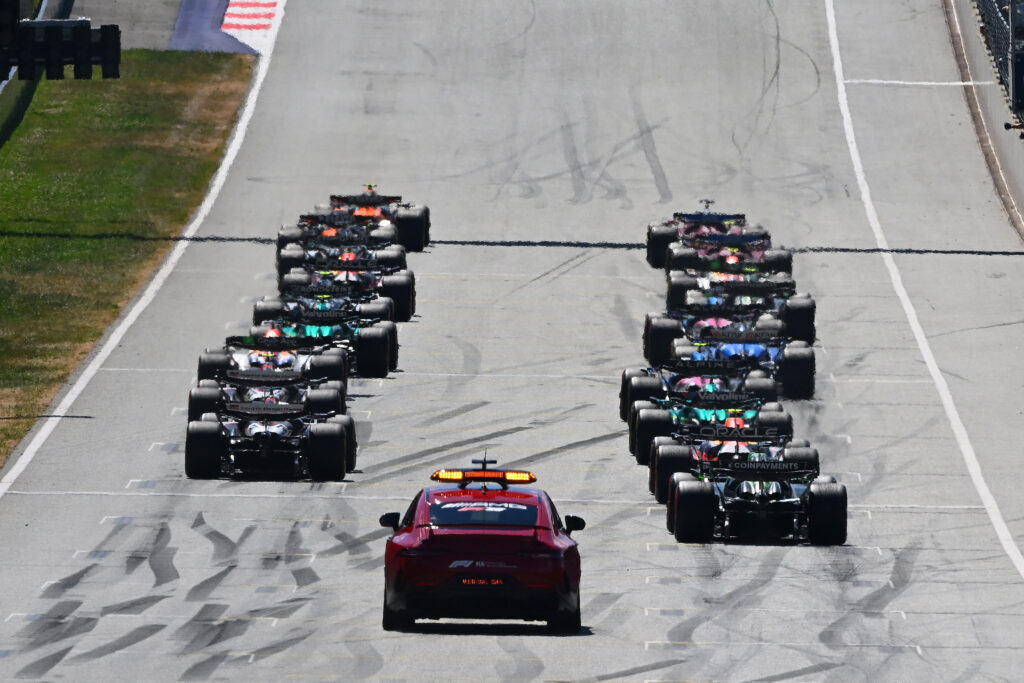
The 2026 Formula 1 cars will be one of the most radical changes to the sport since the introduction of the hybrid engines over 10 years ago.
The 2026 F1 cars will use active aerodynamics in a bid to increase overtaking and generate closer racing between the drivers, giving them the ability to switch between ‘X mode’ and ‘Y mode’ between the corners and straights.
Drivers will also have new power units that have been simplified and have a greater emphasis on battery deployment, with the ability to activate an override mode to overtake.
The new cars were designed to attract new manufacturers to F1, but there have been concerns from the drivers over whether it is the right direction. Lewis Hamilton questioned if F1 is taking the right direction aero-wise, with the focus heavily on the power units [via BBC].
Speaking on The Race F1 podcast, CEO Stefano Domenicali has addressed concerns that compromises were taken to make the power units work.
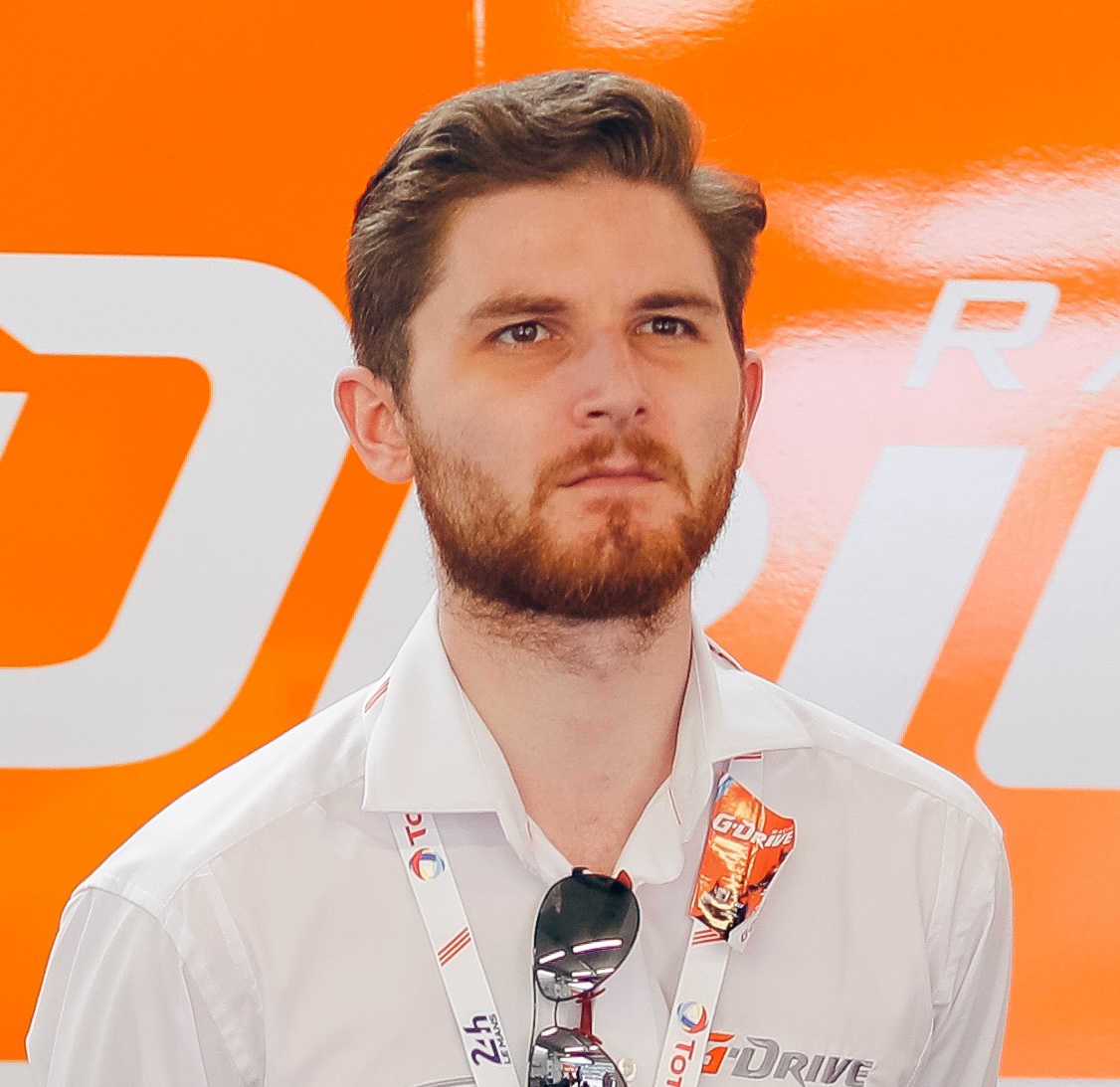
Stefano Domenicali says 2026 F1 regulations not driven by power units
The power units have been key to the new regulation cycle as they have enabled new manufacturers such as Audi and Cadillac to join the fray.
Domenicali has addressed concerns that emphasis was placed on ensuring more manufacturers came into the sport as opposed to addressing the issues of closer racing.
“I don’t think so because that was the starting point. The reason there are so many manufacturers next year is (due to) the regulations, which are definitely very complicated. It was a compromise to make a lot of manufacturers happy. And that was a starting point.
“But behind or around the power unit, there’s a car. And I think what will be fascinating is the development that all the engineers of F1 will find.”
READ MORE: Ferrari driver Lewis Hamilton’s life outside F1 from net worth to family
Stefano Domenicali explains why F1 cars will not be slower in 2026
F1 drivers have been critical of the 2026 cars after driving them in the simulator, with some reporting that they will need to lift on straights to charge the batteries.
Domenicali has been keen to point out that F1 cars in 2026 will not be dramatically slower than their current counterparts, which have been setting lap records in 2025.
“If you remember, not too many years ago in 2021, when there was the last change of the state of regulation, I cannot nominate them, but there were some very, very prominent people on the technical side of F1, they were saying that the cars were slow at six, seven seconds.
“I said: ‘Wow, if that is the case, I need to be worried’ And actually didn’t come like that. So, prudence. But also attracted by something new. We always look at something new as a problem. I think that we need to take that as an opportunity.
| Teams | Drivers |
| McLaren | Lando Norris and Oscar Piastri |
| Ferrari | Charles Leclerc and Lewis Hamilton |
| Red Bull | Max Verstappen and TBC |
| Mercedes | TBC |
| Aston Martin | Fernando Alonso and Lance Stroll |
| Alpine | Pierre Gasly and TBC |
| Haas | Esteban Ocon and Oliver Bearman |
| Racing Bulls | TBC |
| Williams | Alex Albon and Carlos Sainz |
| Audi | Nico Hulkenberg and Gabriel Bortoleto |
| Cadillac | TBC |
“I’m not saying that we’ll be all perfect. I’m not saying that, but I’m just saying, take the approach of being happy to discover something new and be wise and open to discuss if there are problems, to solve them. That will definitely be my approach. And I’m sure that also the approach of the TMDF will be the same.”
F1 teams have been working on the chassis for their 2026 machines since January this year, after finalising the regulations in late 2024.
Receive exclusive F1 news and updates twice a week to your mailbox