Lando Norris
 McLaren
 Mercedes
 Red Bull
 Ferrari
 Williams
 Racing Bulls
 Aston Martin
 Haas
Haas Alpine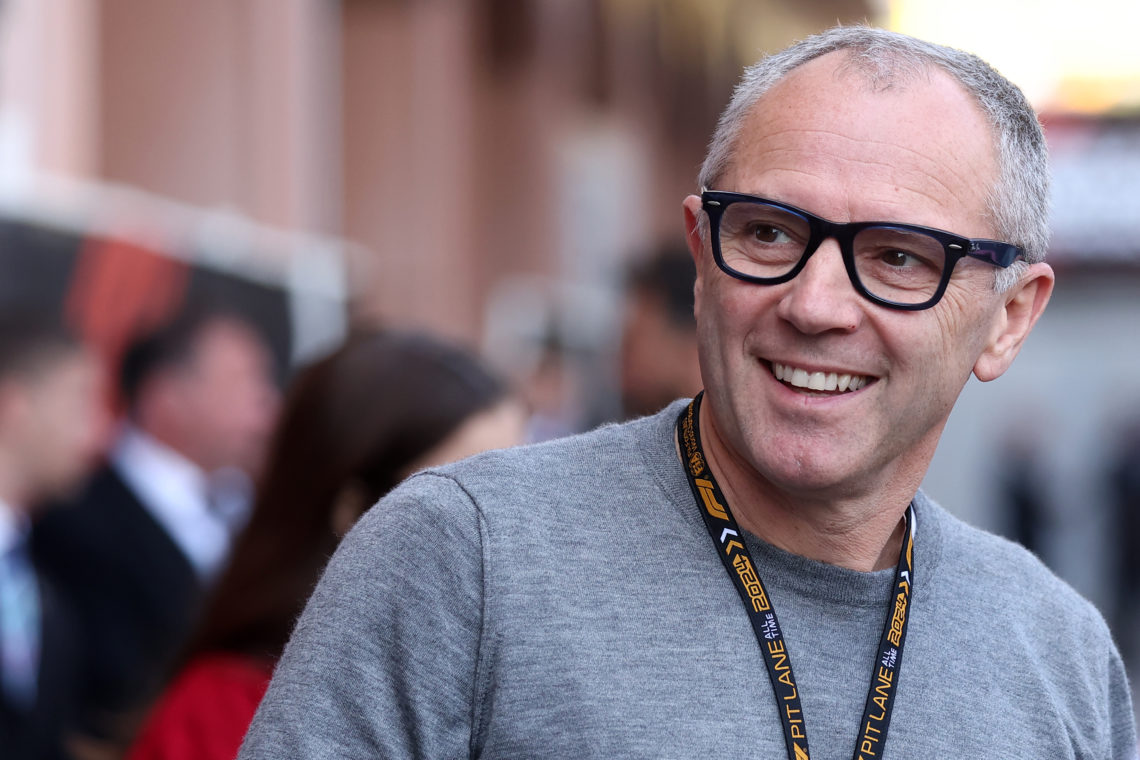


There are only three race weekends left at the end of the longest season in Formula 1 history.
After 21 Grand Prix, Max Verstappen is closing in on his fourth title and could seal the championship with victory at the upcoming Las Vegas Grand Prix.
It’s been a long and exhausting campaign for everyone involved, with a triple header spanning two continents all that prevents drivers from starting their winter breaks.
Verstappen has warned that drivers and staff could get ill due to the demands on them during busy periods like this.
While the current Concorde Agreement would allow for an additional 25th race to be added to the calendar, it would require the agreement of all 10 teams to make the change.
It means the current 24 Grand Prix weekends are set to remain for now, however, that doesn’t mean new circuits aren’t always trying to break onto the calendar.
The Madrid Grand Prix will host its first race in 2026, while Saudi Arabia is building the ambitious Qiddiya track to join the current Jeddah street circuit on F1’s list of destinations.
The likes of Rwanda, Thailand and South Korea are also keen to be in the reckoning and a report from Speedcafe has shared where gaps in the calendar might be created for all of these potential projects.
Monaco Grand Prix at risk of losing its place on the Formula 1 calendar
Formula 1 has become more of a global sport in recent years, with a focus on the American market as well as increasing the number of races in Asia and the Middle East.
It means what was once a European-centric program is quickly changing, even if logistically these races are much easier for all ten teams to manage.
Five tracks in Europe – Imola, Monaco, Spa, Zandvoort and Monza – are all up for renewal soon, while the Circuit de Catalunya will make way for the race in Madrid.
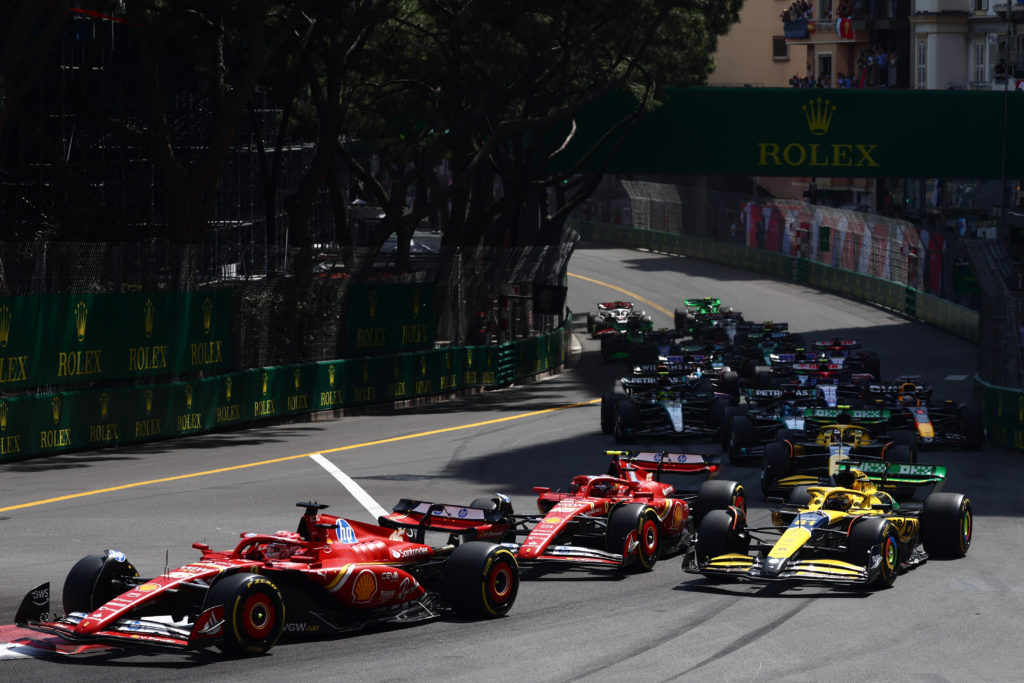
It means that the rotation of several races is being considered by Liberty Media who run the commercial side of Formula 1.
Monaco has one of the lowest fees of all the races on the grid, aside from the Emilia Romagna Grand Prix which is also under serious pressure along with F1’s iconic race in Belgium.
READ MORE: News & updates from the Monaco Grand Prix
The report suggests that Monaco is no longer the ‘sacred cow’ it used to be and they believe that ‘patience has long worn thin’ on the ‘poor, cramped facilities’.
On top of this, the race at Monaco is arguably at its lowest ebb with the cars simply too big for the narrow street circuit.
There will always be an interest in racing at Monaco given the history of the circuit but it may no longer be the almost-annual event it has been since the inaugural race in 1950.
| Driver | Wins |
| Ayrton Senna | 6 (1987, 1989, 1990, 1991, 1992, 1993) |
| Graham Hill | 5 (1963, 1964, 1965, 1968, 1969) |
| Michael Schumacher | 5 (1994, 1995, 1997, 1999, 2001) |
| Alain Prost | 4 (1984, 1985, 1986, 1988) |
| Stirling Moss | 3 (1956, 1960, 1961) |
| Jackie Stewart | 3 (1966, 1971, 1973) |
| Nico Rosberg | 3 (2013, 2014, 2015) |
| Lewis Hamilton | 3 (2008, 2016, 2019) |
FIA president Stefano Domenicali explains his view on rotating European F1 races
There will inevitably be a backlash if Monaco does lose its place on the grid, but after this year’s race that may have significantly reduced.
For the first time in F1 history, all ten drivers who started in the top ten positions finished where they started.
Charles Leclerc won an emotional home Grand Prix, while the biggest talking point was Sergio Perez’s dramatic crash with both Haas drivers.
READ MORE: The 24 races that make up the 2024 Formula 1 calendar
Talking about the prospect of Monaco and other iconic European circuits falling off the calendar, Domenicali said: “We have some news to share very, very soon with regard to the possibility in the mid-term to have some rotational European Grand Prix and some other new options coming later,” Domenicali confirmed.
“This is something that, of course, we will clarify in the due course.
“It is true that we have a large demand of new possible venues that want to come in and our choice will always be balanced between the right economic benefits that we can have as a system and also to leverage in the growth on the market that we can see potential that will be beneficial for us to grow even further our business.”
Receive exclusive F1 news and updates twice a week to your mailbox