Lando Norris
 McLaren
 Mercedes
 Red Bull
 Ferrari
 Williams
 Racing Bulls
 Aston Martin
 Haas
Haas Alpine


Charles Leclerc feels qualifying for the 2026 Australian Grand Prix will be “difficult”, as the power management needed for the new regulations counter his natural thoughts.
F1 has overhauled the rulebook for the 2026 season, with the latest engine rules at the core of the biggest regulatory change in history. F1 engines now have a near 50/50 split between electrical and combustion power, run on sustainable fuels and no longer feature the MGU-H.
Formula 1 removing the expensive MGU-H and increasing the role of the MGU-K created an immediate problem for drivers during pre-season testing, which Ferrari racer Leclerc admits has continued at the first race of the campaign at the Australian GP in Melbourne this week.
Drivers are having to relearn how to drive an F1 car to recharge the battery, with Red Bull’s Max Verstappen the first driver to adopt a high-revving cornering approach during testing in Bahrain. Some teams have also worked on using lower gears or utilising the engine braking.
Just 13 laps for Max Verstappen in FP2
Is reliability a concern for Red Bull?
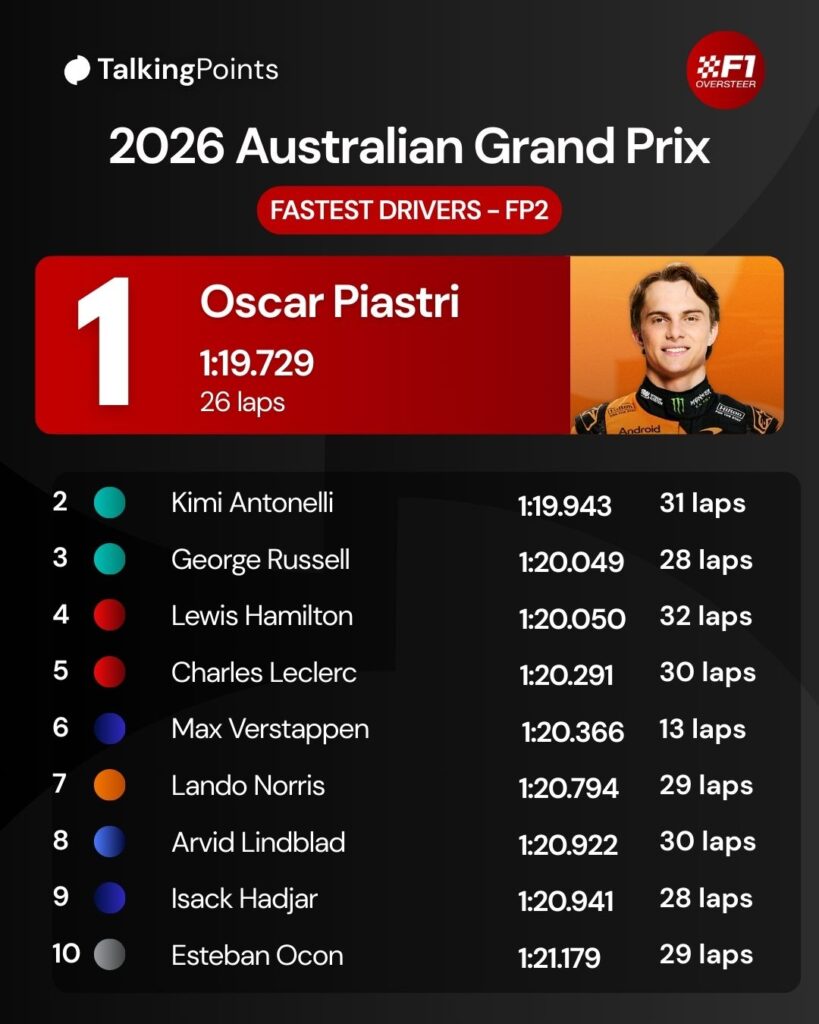
Charles Leclerc says the ‘mind has to regain control’ from natural thoughts due to F1’s 2026 power management levels
Ferrari initially focused on engine braking to regain energy at the first test in Bahrain, having also designed a smaller turbo for their V6 internal combustion engine (ICE). The small turbo has allowed Leclerc, Lewis Hamilton and the other Ferrari-engined drivers to get rapid starts.
READ MORE: All you need to know about the 2026 F1 season, from the calendar to drivers
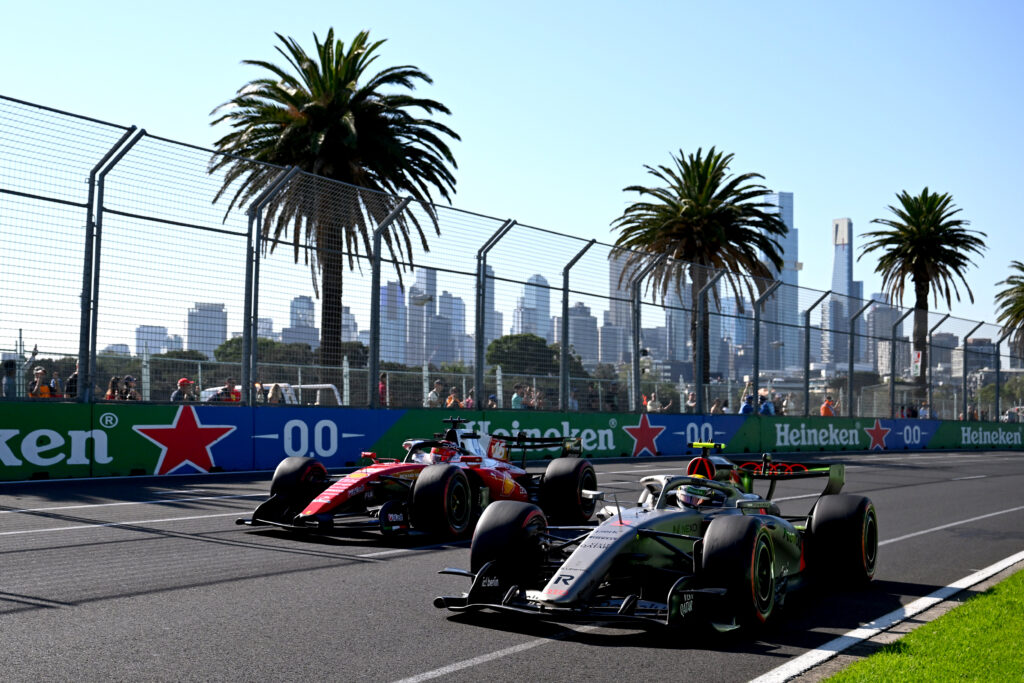
Leclerc believes after driving around Albert Park in practice on Friday that qualifying for the Australian GP will now be a challenge, as the energy management levels required go against the instincts he has honed since he was a kid to brake later into the corners to find lap time.
Leclerc told Sky Sports Italy: “There’s always a driving style that you can adopt to have more recharge, to discharge less. It’s very strange how to manage [the battery], because we have all been programmed since we were three, four years old that we started to have the delta.
“The delta, every time we see it is always faster. And at the end of the lap, if you gain a tenth in a corner, it is certainly a gain on the lap. Now, strangely, it is not always the case. There are certain corners where you could gain two tenths, and you are very happy, but you are happy for 300 meters.
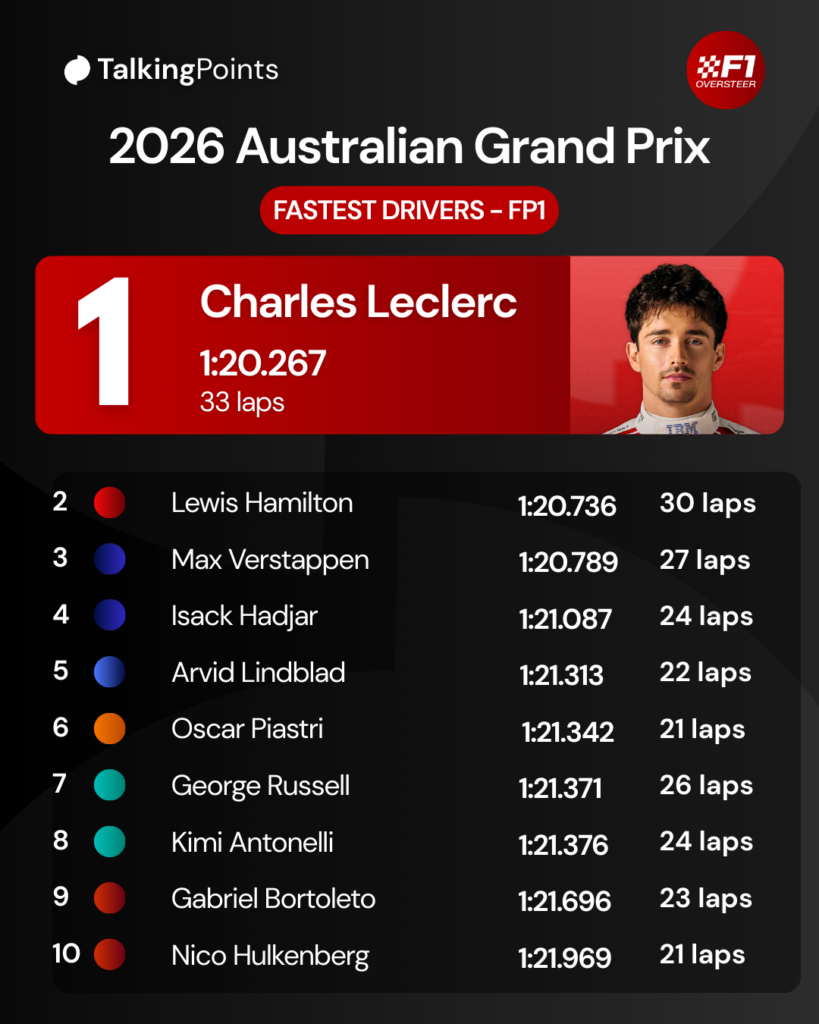
Charles Leclerc led a Ferrari one-two in FP1 at the 2026 Australian Grand Prix
What was the biggest surprise in the first practice session of 2026?
“When the battery is flat, you lose five [tenths]. So, there is always this balance that is difficult to find. I imagine that the most difficult part will be in qualifying. Because in qualifying, when you go to look for the last hundredth, your mind tells you ‘I want to go and brake 10 metres later’.
“But the mind has to regain control a bit and say, ‘No, you have to always go back to the same point because otherwise, the battery does something completely different’.”
While Leclerc expects qualifying for the Australian GP to be a challenge on Saturday, the 28-year-old started the weekend strongly. Leclerc led Hamilton in a Ferrari one-two during FP1 at the Australian GP by 0.469s, before he dropped to P5 in FP2 with a 0.562s deficit to first.
McLaren’s Oscar Piastri set the pace in FP2 at the Australian GP, as the Melbourne-born star stormed around Albert Park in 1:19.729. The home hero even recorded a 0.321s margin over Hamilton as the top Ferrari-engined driver back in P4, with Mercedes locking out P2 and P3.
Receive exclusive F1 news and updates twice a week to your mailbox