Lando Norris
 McLaren
 Mercedes
 Red Bull
 Ferrari
 Williams
 Racing Bulls
 Aston Martin
 Haas
Haas Alpine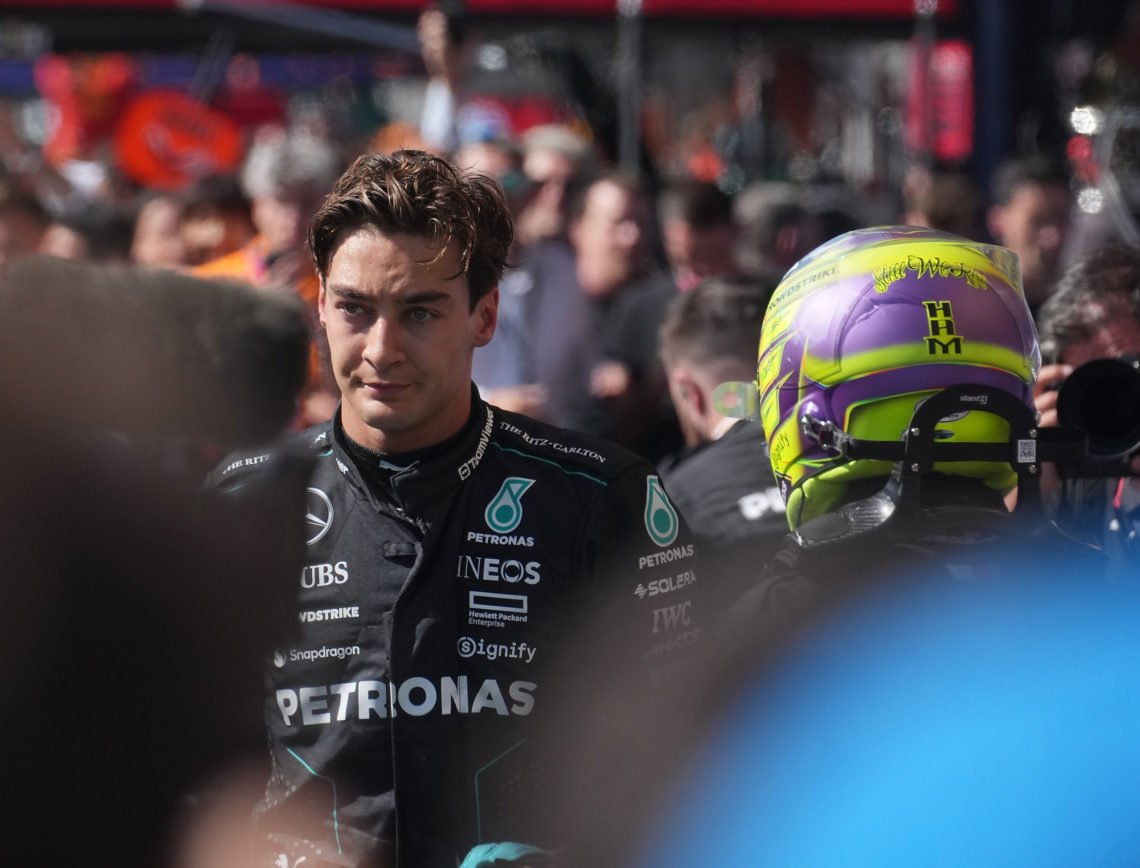


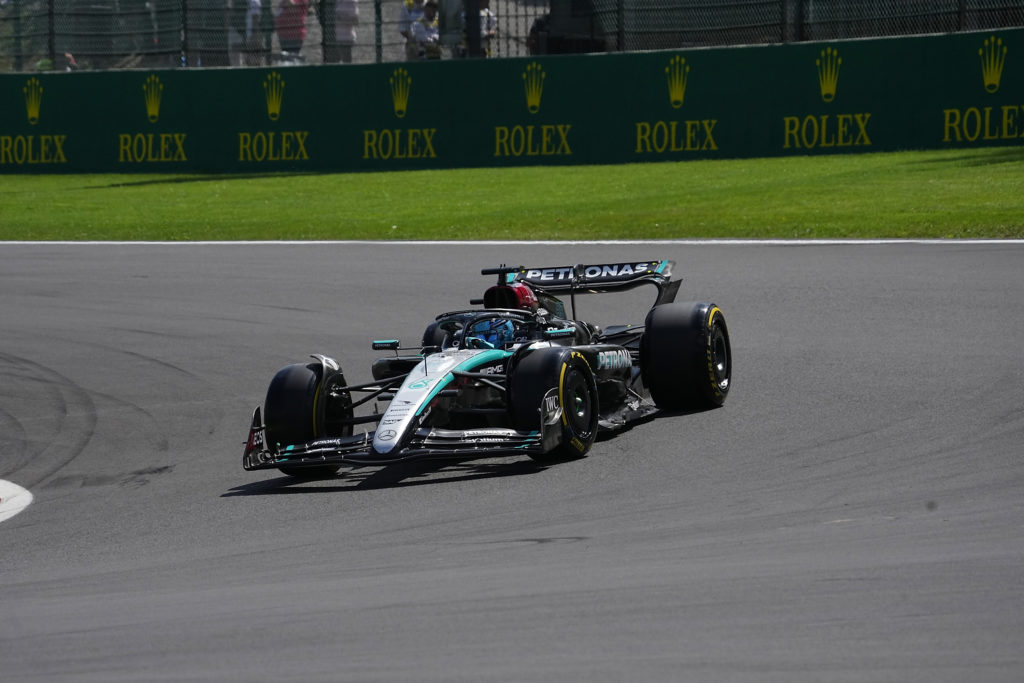
Mercedes suffered a disqualification in the Belgian Grand Prix after George Russell’s car was found to be underweight in the FIA post-race checks.
A few hours after the chequered flag fell at Spa Francorchamps, the FIA found Russell’s car to be 1.5kg under the legal minimum weight of 798kg.
As it was an infringement of the F1 technical regulations, it warranted a standard disqualification penalty from the stewards.
It caught Mercedes by surprise, with trackside engineering director Andrew Shovlin admitting they did not know the root cause and would investigate in the days after.
There were no obvious signs of missing parts or technical oversights from the team, however, Pirelli’s director of motorsport Mario Isola offered a theory that pointed towards several unique factors during the Belgian GP weekend.
Former F1 strategist Bernie Collins admits there is one aspect to the disqualification that is ‘worrying’ for Mercedes going forward.
Bernie Collins explains ‘worrying’ Mercedes trend
It is the second time in 19 races that Mercedes has been disqualified from a race due to a technical infringement.
The first time happened with Lewis Hamilton during the US Grand Prix in October last year, which was due to excessive wear on the skid blocks of his car.
Collins believes Mercedes could be pushing the limits too much in a bid to find extra performance over their rivals.
“It’s pretty worrying this is their second disqualification in two years. The first thing the car needs to be is legal. That’s a sign that they are being pushed by their competitors and are keeping the margins very fine.
“This, and the plank, is an indication that in the past they have been risk averse and were winning everything. Now they haven’t, they are trying to push these fine margins to get it right. In this case, it’s had them over again.”
Why was Lewis Hamilton disqualified at the US GP?
Hamilton was disqualified along with Charles Leclerc for excessive wear on his skid blocks after the FIA carried out random post-race inspections on both their cars.
The seven-time World Champion initially finished in second on the road after a thrilling final few laps chasing Max Verstappen for the win.
READ MORE: Everything you need to know about Mercedes AMG F1 Team from team principal to lineage
Mercedes had run a new floor throughout the event and traced the excessive wear back to the lack of setup time they had during the race weekend.
The US GP was one of the six Sprint weekends last season, which means teams only get an hour of practice.
The limited practice time coupled with the bumpy surface at the Circuit of the Americas created a perfect scenario, whereby the skids would wear excessively with the mixture of high fuel load and tyre degradation.
Receive exclusive F1 news and updates twice a week to your mailbox