Lando Norris
 McLaren
 Mercedes
 Red Bull
 Ferrari
 Williams
 Racing Bulls
 Aston Martin
 Haas
Haas Alpine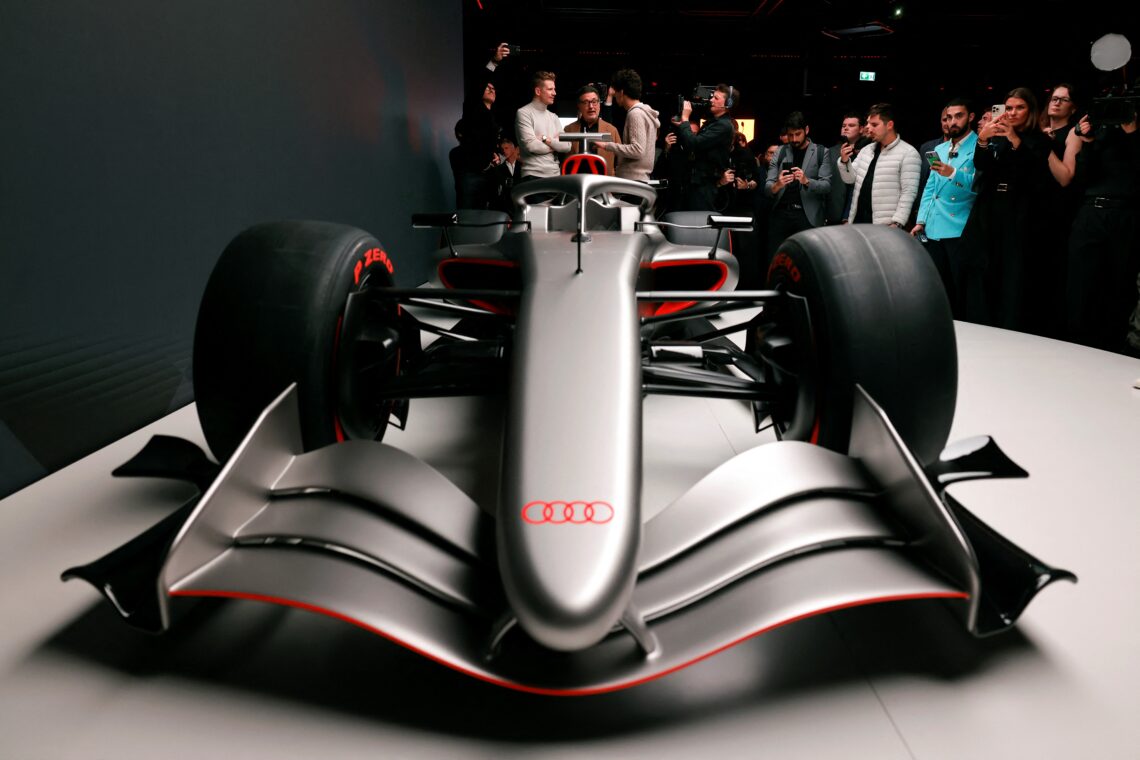


The Audi Formula 1 team were the first manufacturer to put their 2026 car on track at a private testing event in Barcelona.
A 200km filming day was completed by Audi at the Circuit de Catalunya ahead of pre-season testing starting at the end of January.
Nico Hulkenberg and Gabriel Bortoleto were in attendance as Audi’s first outing and will be hoping that the German manufacturer’s success in other areas of motorsport translates to Formula 1.
What are your expectations for Audi’s debut F1 season in 2026?

Sauber only won one race in their entire history, and while they were a popular team in the paddock, they didn’t enjoy the level of success that Audi will expect.
Fans were impressed when hearing Audi’s new engine for the first time, but that’s not a guarantee of success going forward.
Damon Hill has issued his verdict on Audi’s power unit, but a new issue might be emerging that could see them struggle to compete at the front of the grid this year.
READ MORE: All you need to know about the Audi F1 team from Sauber past to drivers
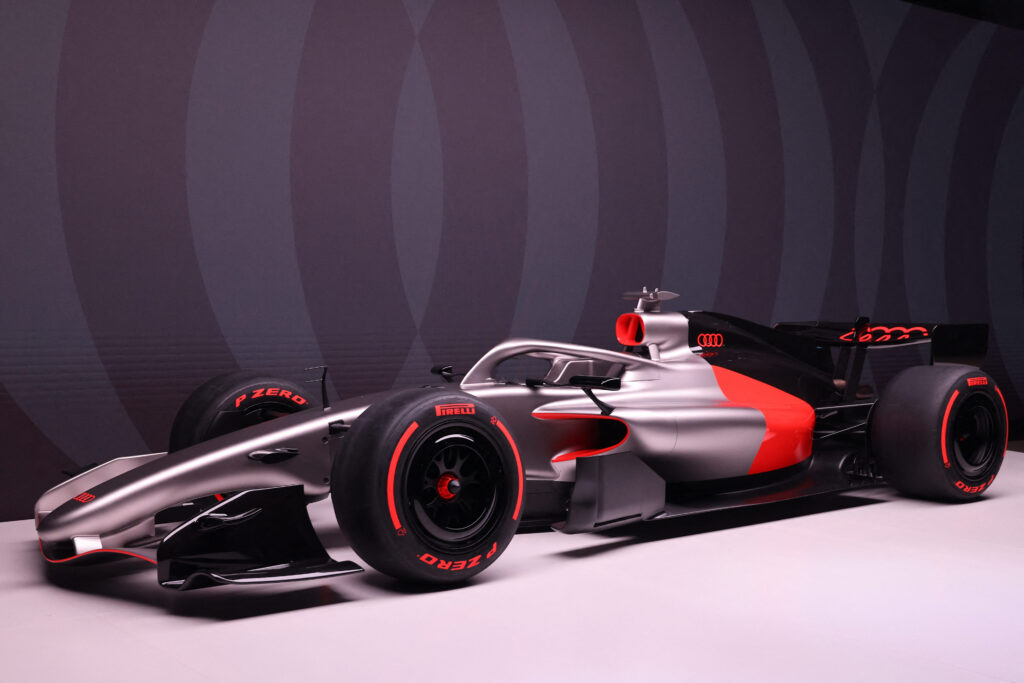
Audi ‘highly likely’ to be at a ‘disadvantage’ in 2026 over fuel issues
A report from Formula Uno Analisi Tecnica has shared more details about an issue that the 2026 rule changes could be about to create that most fans won’t be aware of.
Among all the changes being made compared to last season, every team is now required to use advanced sustainable fuels.
Teams are allowed to use different fuel providers, and these could have an impact on performance that spectators won’t be able to see.
Stefano Domenicali has suggested a standardised fuel could come into effect one day, but many teams are sponsored by companies that would be set against this change.
Castrol will provide Audi’s sustainable fuel in 2026, but the report states that it’s ‘highly likely’ that their development is behind schedule ahead of the season starting and that Mattia Binotto’s team won’t have ‘immediate access’ to the required biofuel.
The FIA has already pushed back the deadline for developing the required fuel blend to the start of 2027.
However, it’s expected that whichever team is experiencing these delays will be at a ‘significant disadvantage’, as well as paying a costly price for a fuel blend that might ultimately hamper the team.
The fuels that teams use are expected to converge as the 2026 season goes on, but Audi might end up being on the back foot at the Australian Grand Prix.
READ MORE: Ferrari engine customer admits Mercedes have the ‘advantage’ with 2026 power unit
What Ferrari sources are now saying about Shell’s 2026 fuel mix
Although Ferrari’s branding came under fire at times last season, one of the most iconic parts of their livery for some time now has been the presence of the Shell logo.
Shell could end up playing a far bigger role than in previous eras of F1 if the performance of each fuel differs as greatly as has been suggested.
Ferrari have confirmed to F1AT sources that Shell are not the fuel provider at risk of falling behind in terms of their work before the season starts.
In fact, Ferrari are ‘very satisfied’ with Shell’s work, and believe that they will be able to deliver ‘maximum performance’ once the campaign begins.
Rumours about Ferrari’s engine being underpowered have been dismissed, even if they haven’t exploited the same loophole as Mercedes and Red Bull.
F1 chiefs will hope that races aren’t decided by a difference in fuel providers, as it will be incredibly difficult to explain to casual fans why something they can’t see on track is making such a big difference.
Receive exclusive F1 news and updates twice a week to your mailbox