Lando Norris
 McLaren
 Mercedes
 Red Bull
 Ferrari
 Williams
 Racing Bulls
 Aston Martin
 Haas
Haas Alpine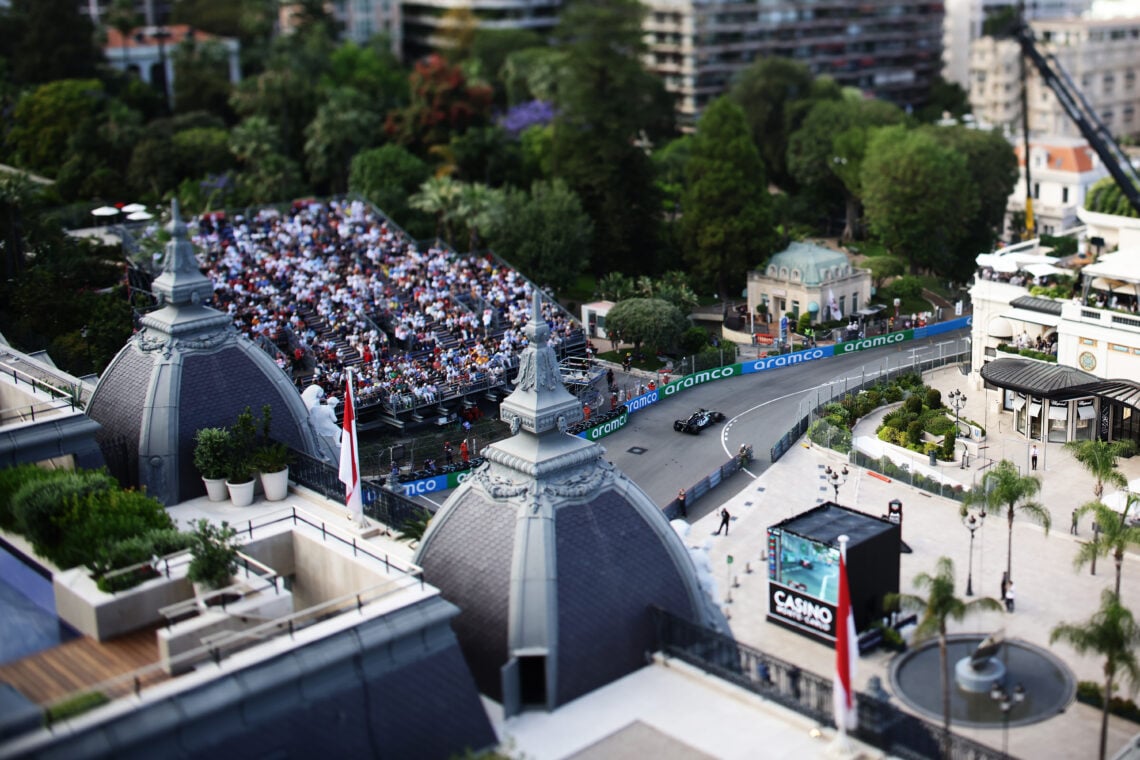


The Circuit de Monaco, the track that defines the iconic Monaco Grand Prix, is one of the few on the Formula 1 calendar to have names for every one of their corners thanks to its rich history and founding back in 1929.
But what do those names mean? Who was Antony Noghès, the man whose name adorns the final turn? What does ‘Rascasse’ actually mean? We’re going to take you turn by turn to uncover the real reasons for each element of one of F1’s oldest tracks.
Let’s take a tour of the Monaco Grand Prix, starting with the first corner.
Turn 1: Sainte Devote
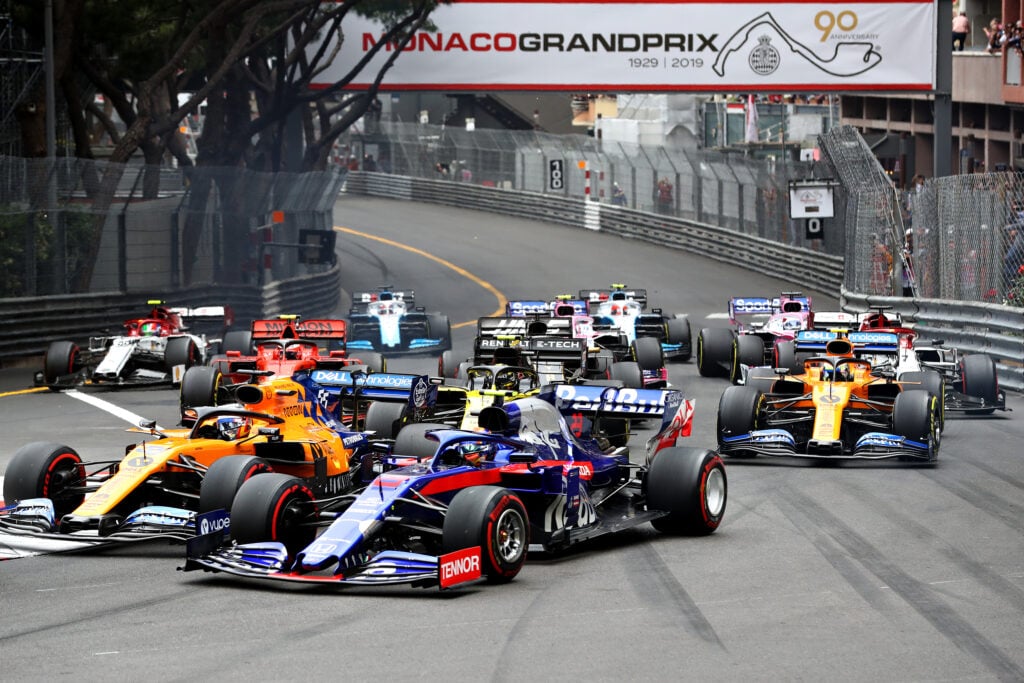
As the full field of Formula 1 machines rocket just 150m toward the first turn of the Monaco Grand Prix, they’re heading toward a corner named Sainte Devote.
Sainte Devote was a fourth-century martyr and the patron saint of Monaco, a devout woman who was persecuted for her faith. In her honor, Monte Carlo erected the Sainte-Dévote Chapel as early as 1070.
The corner at the Monaco Grand Prix takes its name from that gorgeous chapel, which is tucked away just behind the barriers of that first turn, one of the track’s best overtaking zones.
Turn 2: Beau Rivage
After the tight confines of Sainte Devote comes a sweeping corner called Beau Rivage, and if you’ve ever been to the track, you’ll understand why. The phrase ‘beau rivage’ translates to ‘beautiful coastline’ in English, and this corner offers a gorgeous view of the Mediterranean Sea. Drivers may not have time to soak in the surroundings, but fans and Monaco residents certainly can!
READ MORE: Seven unforgettable Monaco GP moments from Schumacher’s parking to Senna vs Mansell
Turn 3: Massenet
Massenet Corner is a long left-hander that sees drivers enter the middle section of the lap, but where does it earn its name?
Well, that’s simple: from a French opera composer named Jules Massenet. Born in 1842, Massenet wrote more than 30 operas during the Romantic Era, and in the later years of his life, his works were primarily displayed at the Opéra de Monte-Carlo thanks to his friendship with Prince Albert I of Monaco.
Just outside of the corner stands a statue honoring Jules Massenet, which lends its name to the corner.
Turn 4: Casino Square
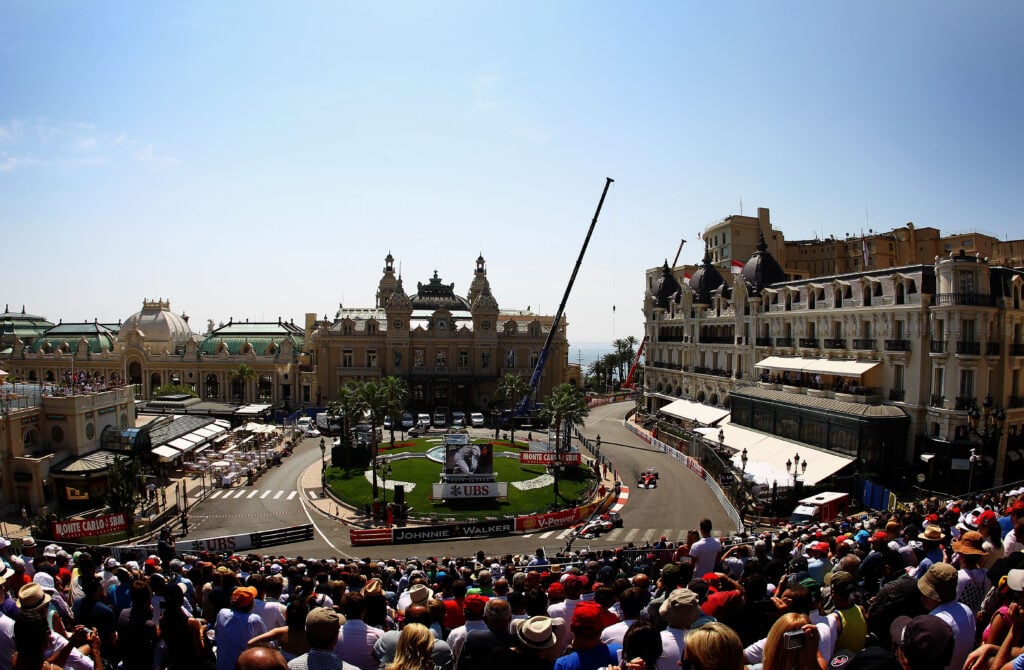
Back in 1865, the Casino de Monte Carlo was opened by the Monegasque royal family as a way to attract tourism dollars to the principality. It was a bold decision back in an era where few roads connected Monaco to major European cities like Nice, but the casino and its nearby hotel and opera soon put it on the map. To this day, the Casino remains one of the city’s major landmarks.
The fourth turn curves around the square before the Casino, hence its name.
Will F1’s 2026 regulations deliver more overtakes in Monaco, or is the circuit past saving?
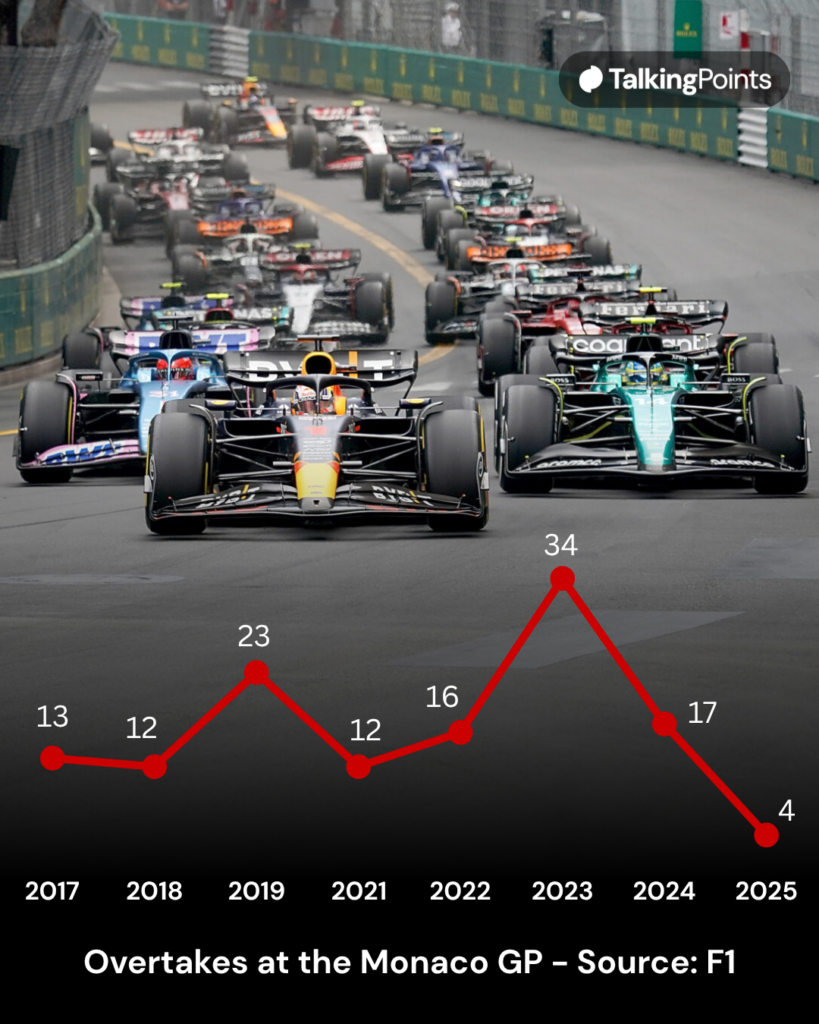
Turn 5: Mirabeau Superior
From the Casino Square, drivers will begin wriggling downhill toward the seafront, which begins with a corner now known as Mirabeau Superior, or Mirabeau Haute. In English, that translates to Upper Mirabeau, or Top Mirabeau.
Back in the day, the Mirabeau Hotel used to overlook this part of the track, and Formula 1 fans have retained the moniker despite the fact that the hotel has long since been converted into an apartment block.
Turn 6: Fairmont Hairpin
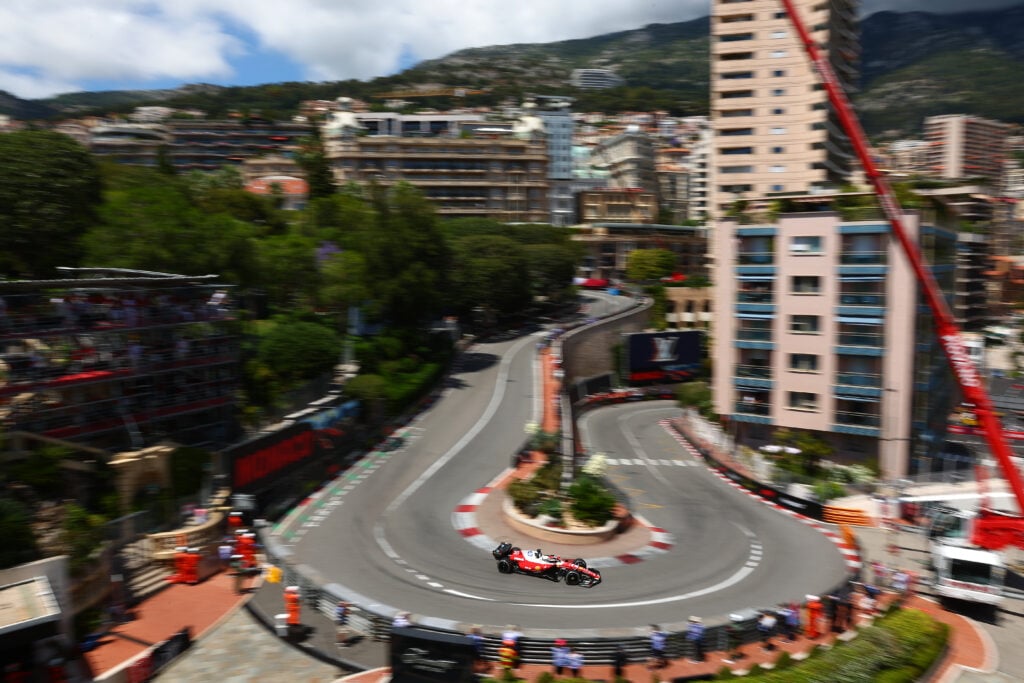
The tight Fairmont Hairpin is one of the trickiest sections of the course. It’s an area that sees plenty of chaos, often because it can be a tight squeeze for the long modern F1 machines.
Depending on the era in which you first started watching F1, you may refer to this hairpin by different names. It was originally called the Station Hairpin because it curved in front of a train station.
The train station was later replaced by a hotel that has also undergone plenty of name changes over the years. Fans of a certain age may refer to it as the Loews or Grand Hotel Hairpin, though the current Fairmont Monte Carlo resort now means this area is usually called the Fairmont Hairpin.
Turn 7: Mirabeau Inferior
Just as is the case with Turn 5, Turn 7 is also named after the now-defunct Mirabeau Hotel. This turn, known as Mirabeau Inferior or Mirabeau Bas, would translate to English as Lower Mirabeau or Bottom Mirabeau.
Turn 8: Portier
Le Portier is a residential neighborhood in Monaco located near the sea. The word ‘portier’ in English can also refer to the lowest order of Roman Catholic seminarians.
This is a right-hand curve that offers a gorgeous view of the harbor and serves as the last moment of sunlight before drivers delve into the depths of the tunnel.
Turn 9: Tunnel
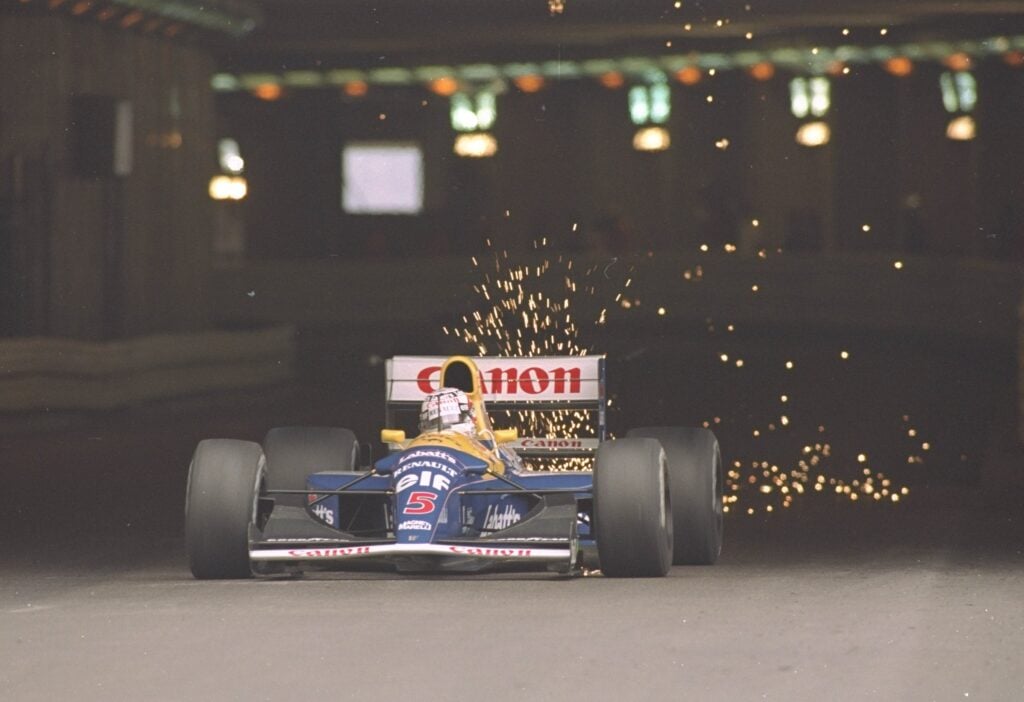
Now, this one should be pretty self-explanatory: Turn 9 is named the Tunnel because, well, it’s a tunnel!
The ‘corner’ is less a corner than it is a kink in an otherwise fairly straight bit of road, but it’s an oddity in the F1 circuit and, on particularly sunny days, it can cause chaos as drivers emerge from the darkness directly into the sunlight, where they’ll need to brake hard for the upcoming chicane.
Turn 10/11: Nouvelle Chicane
The Nouvelle Chicane means, literally, “New Chicane” in English, and that’s just what it is: a new chicane added to the track when the layout was modified in 1986. It was previously called the Chicane du Port.
Turn 12: Tabac
A ‘tabac’ is the name for French tobacco stores. Many tabacs do more than just sell cigarettes and other tobacco products; they’re often combined with bars or cafés and deal in lottery tickets, stamps, and transit passes. Fittingly, there is a tabac tucked away just next to Turn 12.
Turn 13/14: Louis Chiron
Turns 13 through 16 are often lumped together in being called the Swimming Pool section, but it is technically more accurate to divide the complex into two differing chicanes; the first of those chicanes is known as Louis Chiron.
Louis Chiron was a legendary Monegasque racing driver born in 1899. His career spanned 30 years, between his first professional race in 1923 and his final in the late 1950s, and, until Charles Leclerc, Chiron was the only Monegasque driver to win on his home soil.
Chiron played a significant role in the creation of the Monte Carlo street circuit, too. The idea for a track originally stemmed from a gentleman named Antony Noghès, who we’ll speak about briefly. Noghès brought the idea to the Prince of Monaco, who thought it was genius, and to his friend Louis Chiron, who helped him map a track onto Monaco’s twisting streets.
Chiron’s win at Monaco in 1931 was not a championship Grand Prix, but it was easily the defining moment of his long career.
Turn 15/16: Piscine (or, Swimming Pool)
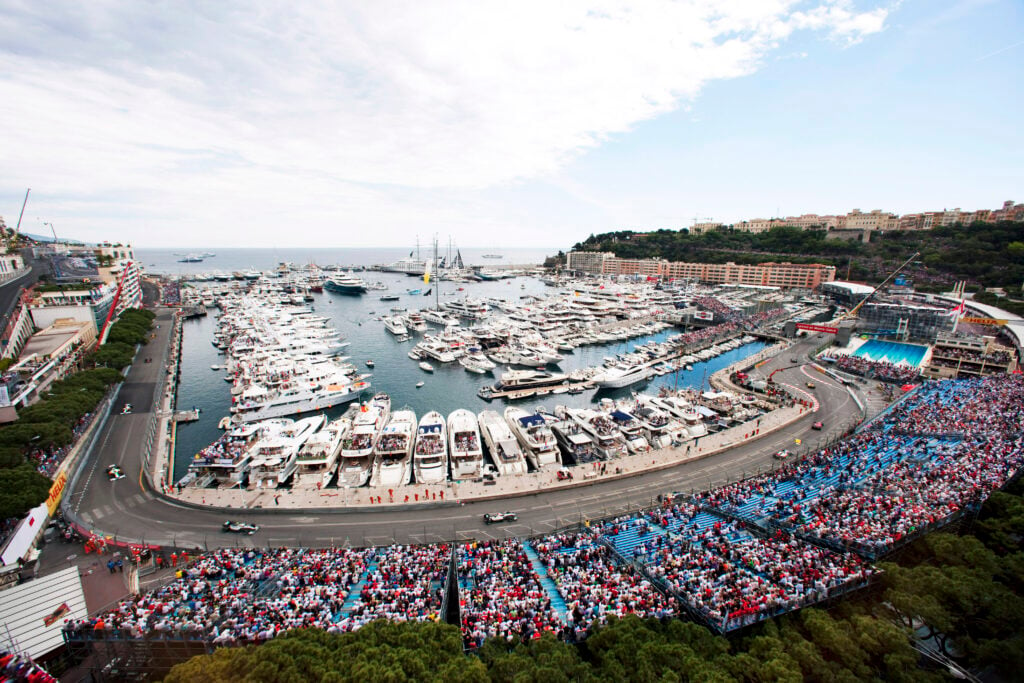
After drivers carve through the Louis Chiron chicane, they’ll head into the Piscine, or Swimming Pool, chicane.
Back in 1973, the Rainier III Nautical Stadium was erected almost directly in the former path of a long straight that led to Monaco’s final corner, and it forced the rerouting of the Grand Prix circuit via two chicanes. The latter section of chicanes is called Piscine, or Swimming Pool, thanks to the bright blue pool situated just outside the barriers.
Turn 17: La Rascasse
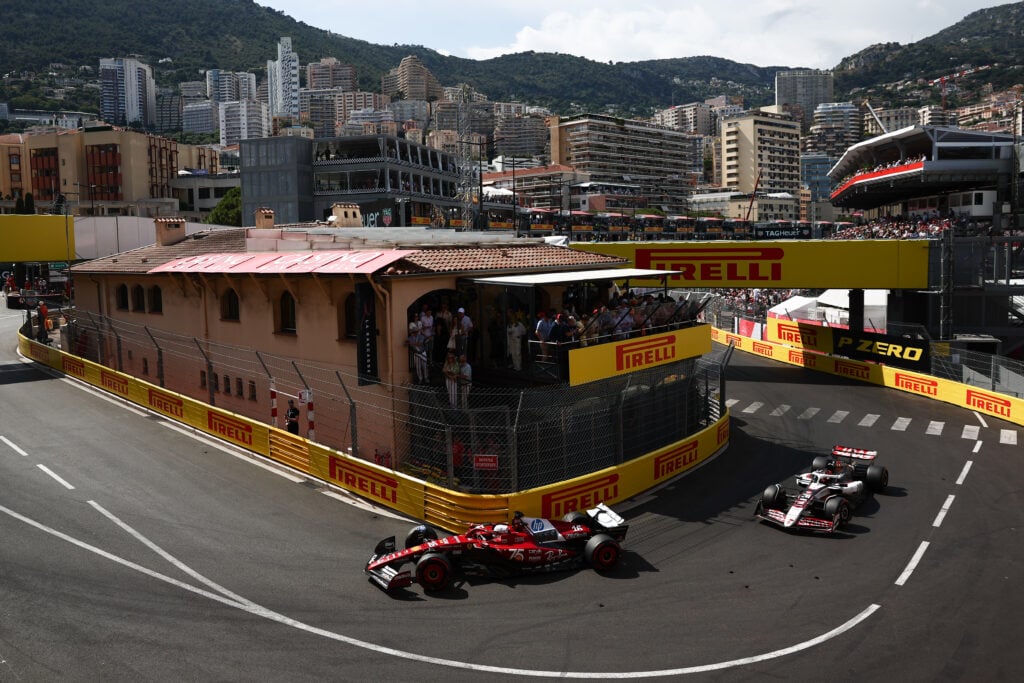
Turn 17, La Rascasse, earns its name from the eponymous bar tucked quite literally just behind the righthand barrier at this bend in the circuit. The bar itself is named after a Mediterranean fish thanks to its original purpose as a hub for local fisherman, and patrons have long been able to flock onto its balcony for an unmatched view of top-level motorsport.
Turn 18/19: Anthony Noghès
That brings us back to Antony Noghès, founder of the Monaco Grand Prix. In the late 1920s, Noghès was head of the Automobile Club de Monaco (ACM), which was then primarily known for the fact that it hosted the exceptional Monte Carlo Rally.
Noghès wanted the ACM to become an official member organization of the Association Internationale des Automobile Clubs Reconnus (AIACR), which was the progenitor to the modern FIA. In order to join the AIACR, though, the ACM needed to stage a race entirely within Monaco’s borders. The Monte Carlo Rally, which started in various European locations and only ended in Monaco, did not count.
So, Noghès thought it would be a wonderful idea to stage a Grand Prix. He earned a powerful ally in noted Monegasque racing driver Louis Chiron, who helped him parse out the ideal venue for a major grand prix set to take place in April of 1929. It was the start of the iconic Monaco Grand Prix, and the final complex of corners is named to honor the man who made it all happen.
Receive exclusive F1 news and updates twice a week to your mailbox