Lando Norris
 McLaren
 Mercedes
 Red Bull
 Ferrari
 Williams
 Racing Bulls
 Aston Martin
 Haas
Haas Alpine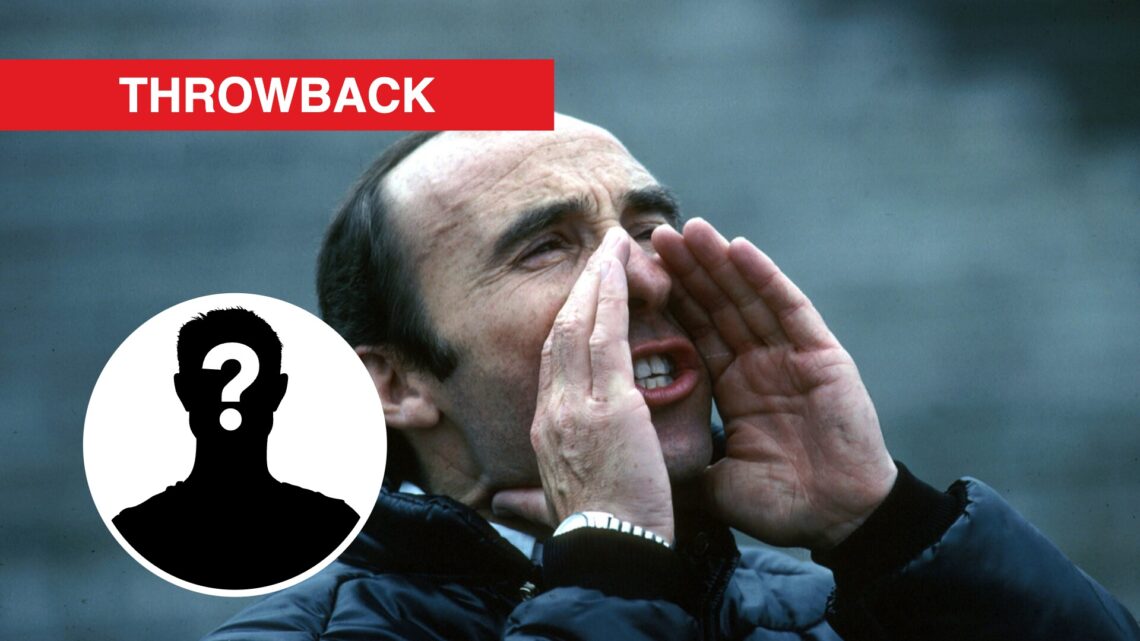


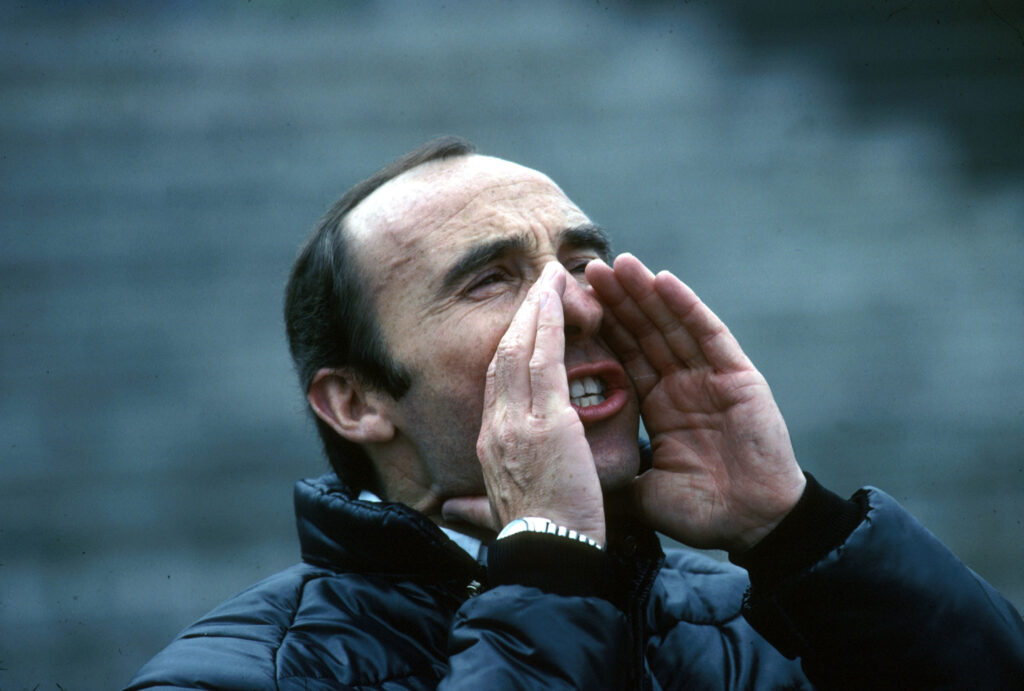
Sir Frank Williams was one of the most successful team owners in the history of Formula 1.
Williams made their debut as an entrant in Formula 1 in 1969, running Brabhams, De Tomasos and Marchs, but the modern iteration of the team didn’t emerge until 1977.
In that time, they were known by several names, but raced under Frank Williams’ full name initially.
Some excellent drivers appeared for Williams during that time, including Jacques Laffite, Jacky Ickx and Ronnie Peterson.
However, a few years down the line, Williams hadn’t made the impact they wanted to in the sport, and were running low on cash.
| Debut | 1969 Spanish GP |
| Grand Prix entered | 105 (96 starts) |
| Best qualifying | 11th (1975 Brazilian GP) |
| Best result | 2nd (3x) |
| Fastest laps | 1 (1971 Italian GP) |
| Final race | 1976 Japanese GP |
Ahead of the 1976 campaign, they became known as Wolf-Williams when Canadian millionaire Walter Wolf bought 60% of the team.
It wasn’t a partnership that lasted very long, and by 1977, Williams had started his own team using his name, which still exists today.
In order to stay afloat, Williams went through plenty of drivers, using their sponsorship to continue racing; however, one driver performed so badly that when his money didn’t arrive, he was dropped after a single practice session.
How Williams ended up signing Masami Kuwashima for one practice session in 1976
In the first 30 years of Formula 1, it was far more common for drivers to appear at just their home race if they couldn’t afford to complete a full season globally.
The likes of South Africa, Canada, the United States, and Japan would all host races that normally saw several of the most talented drivers take part in one-off events.
In 1976, Wolf-Williams arrived at the Japanese Grand Prix having not scored a point and failing to qualify for three races.
| RANK | DRIVER | TEAM | POINTS |
| 1 | Mario Andretti | Lotus | 9 |
| 2 | Patrick Depailler | Tyrrell | 6 |
| 3 | James Hunt | McLaren | 4 |
| 4 | Alan Jones | Surtees | 3 |
| 5 | Clay Regazzoni | Ferrari | 2 |
| 6 | Gunnar Nilsson | Lotus | 1 |
Seven different drivers, including Ickx and legendary New Zealander Chris Amon, had been used, but their pairing when they arrived at the Fuji Speedway was Italian Arturo Merzario and local driver Masami Kuwashima.
Merzario didn’t finish any of the seven races he started that season, while Kuwashima had raced around the world, but most recently, was a middling Japanese F2 driver in 1976.
What happened next saw Kuwashima cement his place in Williams history, but not for the right reasons.

Who was Japanese racing driver and one-time Williams racer Masami Kuwashima?
Kuwashima was born in Kumagaya City on 14 September 1950 and started racing at the age of 19.
He travelled to Europe, racing in the Formula 3 series, and even competed in the European Formula Two Championship in 1974, which was won by Patrick Depailler, the aforementioned Laffite and John Watson.
Kuwashima was never a world beater, and his appearance at the 1976 Japanese Grand Prix was certainly a surprise.
Forgotten Drivers suggests that during his only practice session, Kuwashima was more than five seconds slower than Mario Andretti on that Friday.
Despite earning the nickname Black Lightning, as he was compared to legendary Austrian skier Toni Sailer, who had the same moniker and whose post-racing career led to a series of films that became popular in Japan, Kuwashima wasn’t fast enough in the Wolf-Williams car.
It then transpired that Kuwashima’s sponsorship had fallen through, and given his speed left a lot to be desired, he was immediately replaced by Hans Binder.
Binder didn’t do much better, setting a time half a second quicker than Kuwashima, but still needed permission to start the race, having set the 25th-best time, and F1 races typically only contained 24 cars at the time.
The Austrian completed 49 laps before suffering a technical failure, but would go on to race in F1 until 1978.
Kuwashima’s racing career in Japan ended in 1979, but his tiny mark on F1 won’t be forgotten as one of the last drivers to race for Wolf-Williams and therefore contributing to the start of Frank Williams’ far more successful solo venture.
Receive exclusive F1 news and updates twice a week to your mailbox