Lando Norris
 McLaren
 Mercedes
 Red Bull
 Ferrari
 Williams
 Racing Bulls
 Aston Martin
 Haas
Haas Alpine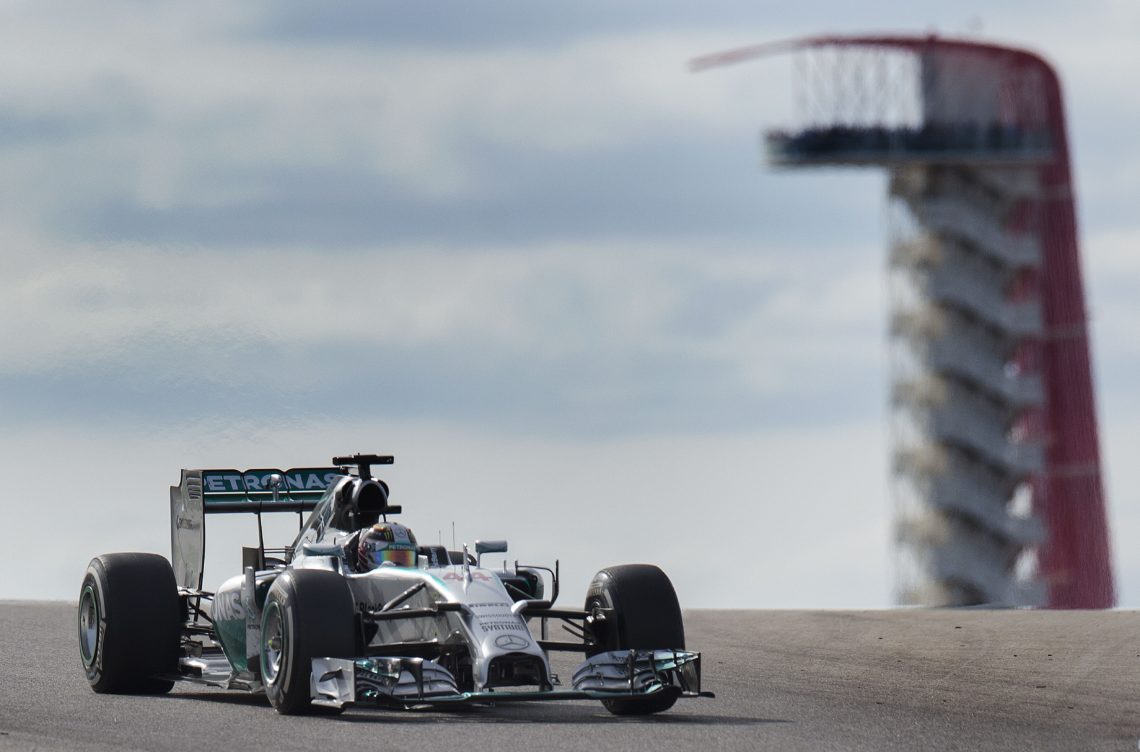


The Circuit of the Americas has been the home of the Formula 1 United States Grand Prix since 2012, so F1 Oversteer has looked into what teams do well in Austin, Texas.
Formula 1 has enjoyed a long history in the United States, with the first US Grand Prix taking place in 1959 at the Sebring International Raceway in Florida. It was not the first race to use the US Grand Prix name as that dates back to 1908. But it was the first as a Formula 1 round.
F1 has even held US Grand Prix at the Riverside International Raceway in California, Watkins Glen in New York, the streets of Phoenix in Arizona and the Indianapolis Motor Speedway. It had not raced in the USA since 2007 until COTA gave F1 a new home of the US GP, though.
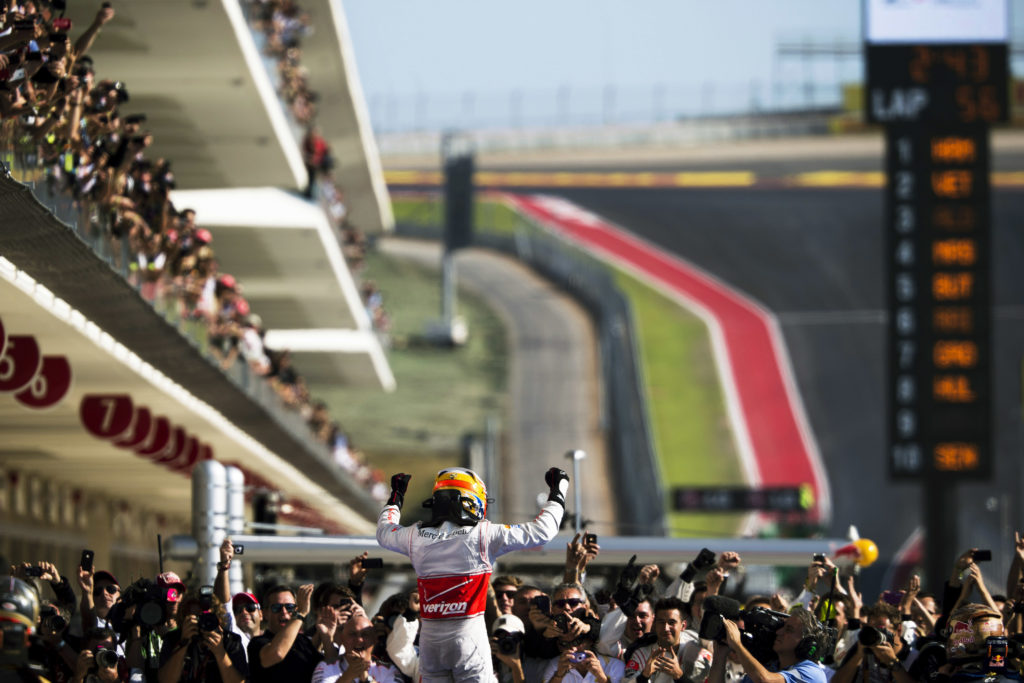
McLaren won the first US Grand Prix at COTA with Lewis Hamilton in 2012
Like when Formula 1 first raced in Phoenix in 1989 and Alain Prost won that year’s US Grand Prix, McLaren were the first F1 team to win a US Grand Prix at COTA through Lewis Hamilton in 2012. But the Woking squad are yet to return to the top step of a podium in Austin, Texas.
Hamilton’s last of 21 wins in Formula 1 with McLaren also continues to mark the team’s last United States Grand Prix victory. McLaren have not had the same success at COTA like they did in Phoenix, having won all three US GP held in Arizona – including two by Ayrton Senna.
READ MORE: Five unforgettable US Grand Prix at COTA including Hamilton vs Rosberg spat
James Hunt also gifted McLaren their first two US Grand Prix victories at Watkins Glen with back-to-back wins in 1976 and 1977. While Mika Hakkinen and Hamilton gave McLaren two United States GP wins at the Indianapolis Motor Speedway, with the 2001 and 2007 meets.
Mercedes and Red Bull are the most successful F1 teams at the US Grand Prix at COTA
While McLaren failed to maintain their winning start at the Circuit of the Americas, Hamilton became the most successful Formula 1 driver in the all-time history of the United States GP at COTA thanks to Mercedes dominating the Texas track at the start of the turbo-hybrid era.
Mercedes opened an early lead as the most successful Formula 1 team at COTA by winning four consecutive US Grand Prix with Hamilton. Red Bull had won the last US Grand Prix with V8 F1 engines in 2013 but had to wait until 2021 to win at COTA again with Max Verstappen.
The Dutchman also went on to stand on the top step of the podium in his title-winning years of 2022 and 2023 as well, before returning to race-winning territory in 2025.
| WINS | CONSTRUCTOR | YEARS |
| 5 | Mercedes | 2014, 2015, 2016, 2017, 2019 |
| 5 | Red Bull | 2013, 2021, 2022, 2023, 2025 |
| 2 | Ferrari | 2018, 2024 |
Mercedes are the most successful engine manufacturer at the US Grand Prix at COTA
Thanks largely to Hamilton winning the United States Grand Prix once for McLaren and four times in a row with Mercedes, the Silver Arrows’ High Performance Powertrains division in Brixworth has built the most successful engine in the history of the Formula 1 race at COTA.
Mercedes aced the introduction of the 1.6L V6 turbo-hybrid power unit in 2014 and, with it, saw Hamilton win in 2014, 2015, 2016 and 2017. Valtteri Bottas also secured Mercedes and their engine the win at the US Grand Prix of 2019 when the Finn denied Hamilton by 4.148s.
Only Honda and Ferrari have also seen their engines power multiple US Grand Prix winners at COTA to date, too. Honda powered the Red Bull cars in which Verstappen drove to win the US Grand Prix in 2021, 2022, 2023, and 2025 – but only the first featured a Honda-badged engine.
| WINS | ENGINE MANUFACTURER | YEARS |
| 6 | Mercedes | 2012, 2014, 2015, 2016, 2017, 2019 |
| 4 | Honda | 2021, 2022, 2023, 2025 |
| 2 | Ferrari | 2018, 2024 |
Ferrari are the most successful F1 team at the US Grand Prix all time
While Mercedes have enjoyed lots of success at the US Grand Prix since Formula 1 first went to COTA in 2012, the history of the round dating back to 1959 and featuring races at Sebring, Riverside, Watkins Glen and Indianapolis helps Ferrari to be F1’s best team ever in the USA.
The Scuderia have seldom tasted success at COTA with Kimi Raikkonen and Charles Leclerc giving Ferrari their only US Grand Prix wins in Austin so far. But the Maranello natives took three wins at Watkins Glen and six at the Indianapolis Motor Speedway to beat Lotus’ tally.
| WINS | CONSTRUCTOR | YEARS |
| 11 | Ferrari | 1975, 1978, 1979, 2000, 2002, 2003, 2004, 2005, 2006, 2018, 2024 |
| 8 | Lotus | 1960, 1961, 1962, 1966, 1967, 1969, 1970, 1973 |
| 8 | McLaren | 1976, 1977, 1989, 1990, 1991, 2001, 2007, 2012 |
| 5 | Mercedes | 2014, 2015, 2016, 2017, 2019 |
| 5 | Red Bull | 2013, 2021, 2022, 2023, 2025 |
| 3 | BRM | 1963, 1964, 1965 |
| 2 | Tyrrell | 1971, 1972 |
Ford and Ferrari are the most successful engine manufacturers at the US Grand Prix all time
Through a partnership with Cosworth which designed, developed and produced its engines, Ford is the joint-most successful Formula 1 power unit manufacturer in the history of the US Grand Prix yet. The American automotive giant saw Ford-badged engines get 11 US GP wins.
It was not until 1975 that a Ferrari engine won the US Grand Prix for the first time when Niki Lauda won from pole position for the Scuderia at Watkins Glen. Before that win, even British company Climax and F1 stalwarts BRM had each won four US Grand Prix with their engines.
Mercedes have also seen the engines from their High Performance Powertrains division take several US Grand Prix victories – thanks in part to their former partnership with Ilmor before taking over the engine company in Brixworth, which even powered Hakkinen’s 2001 victory.
Honda engines have also won many United States Grand Prix. Yet the Japanese brand was not on the badges of the power units that powered Verstappen to win the US Grand Prix for Red Bull in 2022 or 2023. Instead, Honda’s engines were cited as Red Bull Powertrains units.
| WINS | ENGINE MANUFACTURER | YEARS |
| 11 | Ford | 1967, 1968, 1969, 1970, 1971, 1972, 1973, 1974, 1976, 1977, 1980 |
| 11 | Ferrari | 1975, 1978, 1979, 2000, 2002, 2003, 2004, 2005, 2006, 2018, 2024 |
| 8 | Mercedes | 2001, 2007, 2012, 2014, 2015, 2016, 2017, 2019 |
| 7 | Honda | 1989, 1990, 1991, 2021, 2022, 2023, 2025 |
| 4 | Climax | 1959, 1960, 1961, 1962 |
| 4 | BRM | 1963, 1964, 1965, 1966 |
Receive exclusive F1 news and updates twice a week to your mailbox