Lando Norris
 McLaren
 Mercedes
 Red Bull
 Ferrari
 Williams
 Racing Bulls
 Aston Martin
 Haas
Haas Alpine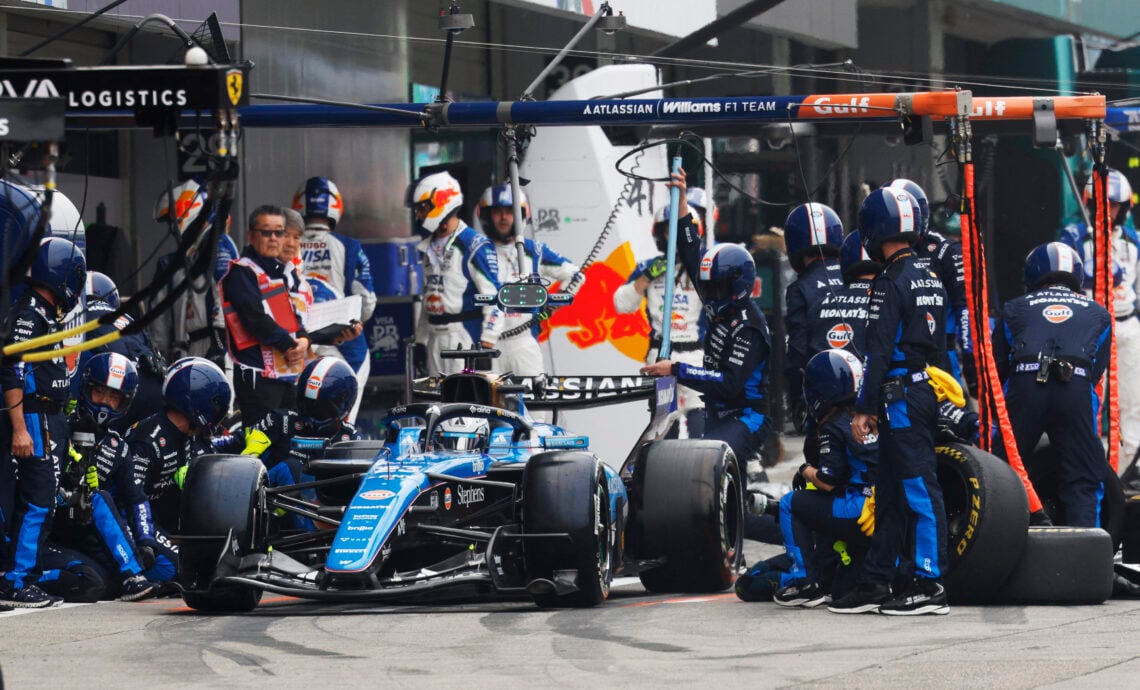


Williams intend to make full use of the April break by developing a lighter chassis for the FW48 that Alex Albon and Carlos Sainz can race at the 2026 F1 Miami Grand Prix.
Florida is now the next stop on the F1 calendar, but not until May 1-3, after the cancellations of the races in Bahrain and Saudi Arabia due to the situation in the Middle East. Williams see the five-week gap after last week’s Japanese Grand Prix as a chance to develop the FW48.
Williams have not had the start to the 2026 regulations era that they envisaged after making the new rules their priority from an early stage. Sainz is only P14 in the F1 drivers’ standings with two points from the opening three rounds, while Albon is without a point down in P18.
Delays with Williams’ FW48 project put the Grove outfit on the back foot in January, as they had to sit out the Barcelona shakedown. While reliability has largely not been an issue since then, the Williams FW48 remained an uncompetitive package in Australia, China and Japan.
Lance Stroll says they’re having “own little Aston Martin championship” 🏆
But what do you think should earn or lose them points?
Williams plan to give Alex Albon and Carlos Sainz a lighter chassis at the Miami Grand Prix
Ralf Schumacher has called Williams his “biggest flop” so far in 2026, too, as the team have the so far dominant Mercedes engine but only sit above debutants Audi and Aston Martin in the constructors’ standings. Sainz’s P9 in the Chinese Grand Prix is also Williams’ top result.
READ MORE: When is the next race after F1 cancelled the Bahrain and Saudi Arabia rounds?
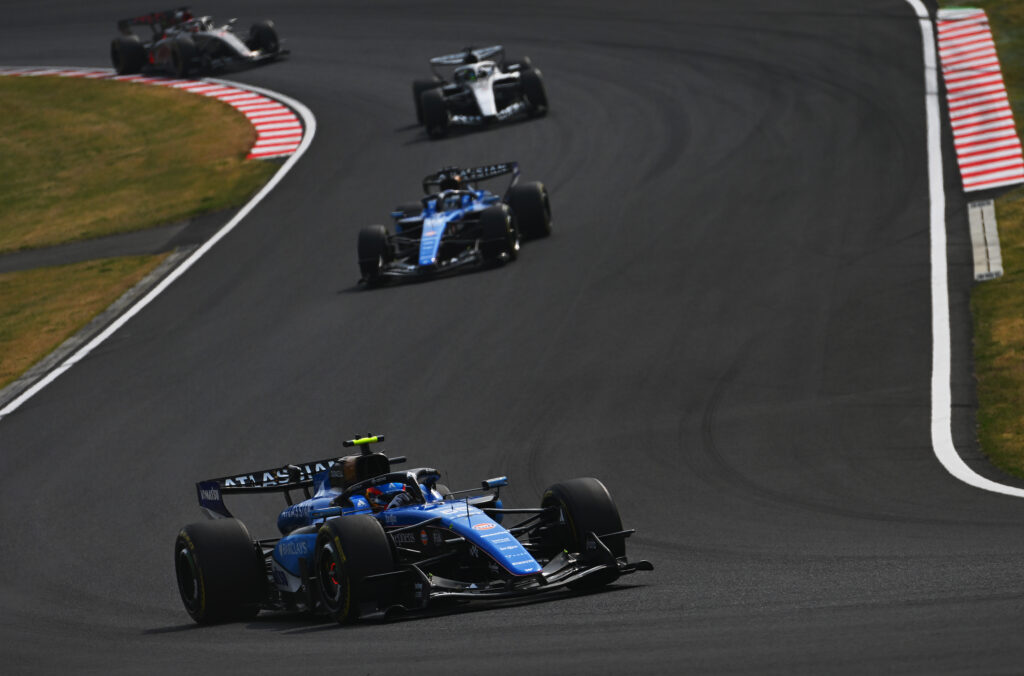
The Williams FW48 chassis being massively overweight is considered the ‘only reason’ why Albon and Sainz have struggled to have a strong start to the 2026 season. That is according to Blick, which suggests that Williams’ first 2026 rules car is around 15 to 20kg overweight.
Williams’ chassis being 15-20kg overweight is said to cost them over half a second per lap to their nearest rivals. So, the Grove crew are believed to be planning to put the FW48 through a ‘major’ weight-loss programme over the break in the hope of having a lighter car in Miami.
However, a spokesperson for Williams has told F1 Oversteer that it is “not factually correct” to expect the team to have a lighter chassis in Miami. Team principal James Vowles has also stated that Williams expect to make the most progress during the second half of the season.
Vowles told the Williams website after the Japanese GP: “You can see that bundle of cars from around P5 to P7 is incredibly close. There’s not a lot in it.
“So, the issue with the word consistently [in terms of scoring points] is even those teams are not consistently scoring points. You have to be elevated and ahead of all that.
“Right now, what I can really forecast forward is we have a huge amount of work going all the way through and beyond the August break to effectively add performance to the car.
“Now, other teams will, as well. It’s a relative gain. Some of that performance, I think on the stronger end, will be coming post-August break.”
Ipswich Town’s Darnell Furlong showing off some serious F1 skill 👀
How many tracks can you recognise just from the engine sound? 🎧
Hitting the ground running when the season resumes in Florida will be crucial, as their rival teams will also expect to arrive at Hard Rock Stadium with upgrades for their cars. Williams will especially not want to continue seeing their drivers keep bowing out of qualifying in Q1.
Sainz made Q2 for the first time in 2026 during qualifying for the Japanese GP last weekend, before finishing Q2 as the slowest driver in the middle segment of the session. Albon has so far only made Q2 once, after advancing from Q1 in Australia when only 19 drivers set times.
Sainz and Albon both joined the Aston Martin and Cadillac drivers in bowing out during the first qualifying segment for the F1 Sprint in Shanghai and the Chinese Grand Prix. Haas star Oliver Bearman’s difficult qualifying session in Japan for P18 helped Sainz to sneak into Q2.
The lap time that Williams’ overweight chassis is costing Albon and Sainz has also only seen the latter finish on the lead lap once so far. Sainz finished the Japanese GP in P15 with a 65s deficit to race-winner Andrea Kimi Antonelli, while Albon turned the race into a test session.
Receive exclusive F1 news and updates twice a week to your mailbox