Lando Norris
 McLaren
 Mercedes
 Red Bull
 Ferrari
 Williams
 Racing Bulls
 Aston Martin
 Haas
Haas Alpine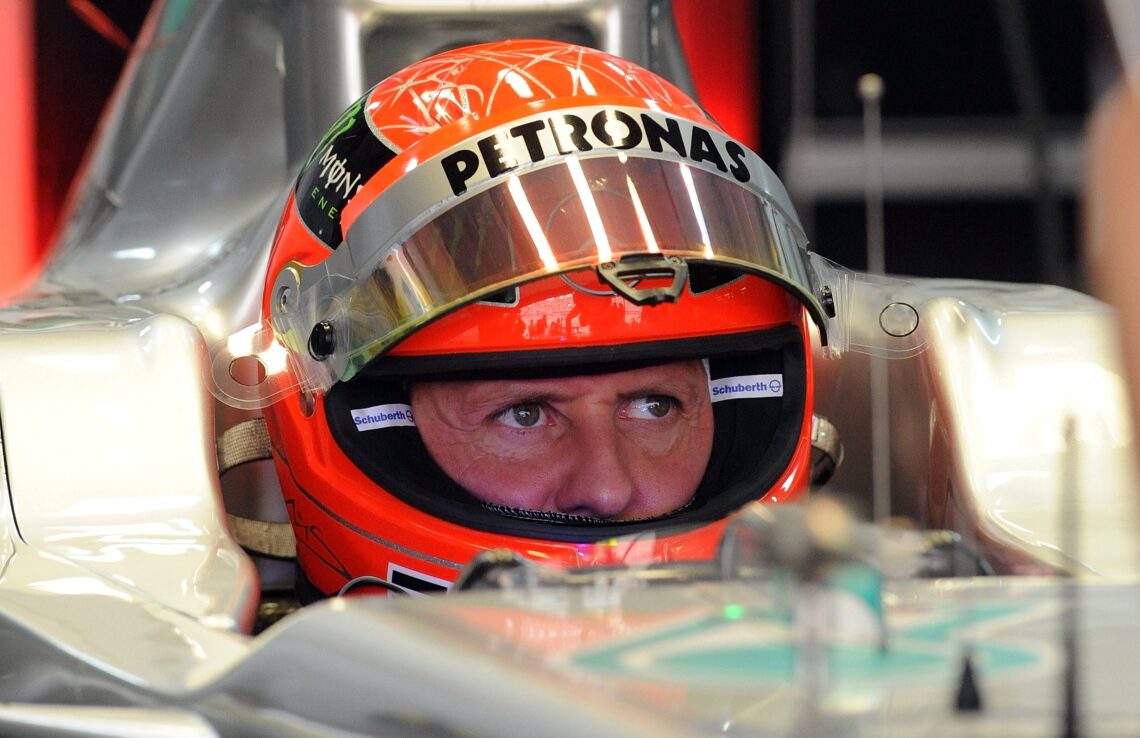

Michael Schumacher stunned the Formula 1 world when he announced his shock return to the grid in 2010 with Mercedes.
The German called time on his career in 2006, having won seven world championships, five of which with Ferrari between 2000-2004. At the time, he was statistically the most successful driver in F1 history, until Lewis Hamilton beat his records with Mercedes.
After a three-year hiatus from racing, working behind the scenes with Ferrari in the meantime, Schumacher announced a comeback to F1 with Mercedes in 2010. The Silver Arrows were also making their return to the sport after taking over from defending champion Brawn GP.
Interestingly, the seven-time champion’s comeback almost did not happen. Mercedes were looking at Nick Heidfeld as an option to partner with Nico Rosberg, but he ended up signing as their third driver as the Silver Arrows struck a deal with Schumacher.
Having not participated in a Grand Prix since his retirement in 2006, Mercedes needed to get Schumacher back up to speed ahead of the 2010 campaign. They did so in rather bizarre and controversial fashion with a GP2 test.

Michael Schumacher caused ‘sizeable contention’ among GP2 teams with his private test before F1 return
Engineer Patrick Coorey recalled to The Race how Mercedes called him back in 2009 while he was working with GP2 team (now Formula 2) Super Nova Racing. The Silver Arrows wanted to use the team to test Schumacher, given their connections to Brawn.
This was met with ‘sizeable connection’ from the other GP2 teams, as all the teams were meant to have an equal amount of testing. Of course, this was far from a normal test, evidenced by the fact that Super Nova had to build Mercedes’ chassis into their car.
Their competitors were ‘far from impressed’ as they were worried that they would improve their ‘competitive edge’ in the 2010 GP2 season. Super Nova went on to finish ninth in the standings that season, claiming one win through a young Marcus Ericsson.
Coorey was tasked with engineering Schumacher during his private test, and he explained the sheer amount of work the team had t done to satisfy their rivals.
“We had to prepare our car because GP2 wouldn’t let us run in its normal set-up,” he said.
“We had to build their chassis onto our rear end because their (GP2) rear end wasn’t up to spec and wasn’t runnable. So, for equality and all that, they didn’t want us to run our entire car in an extra test that other GP2 teams couldn’t come to. So, there was a lot of work for us to do.”
READ MORE: All you need to know about Mercedes F1 Team from team principal to lineage
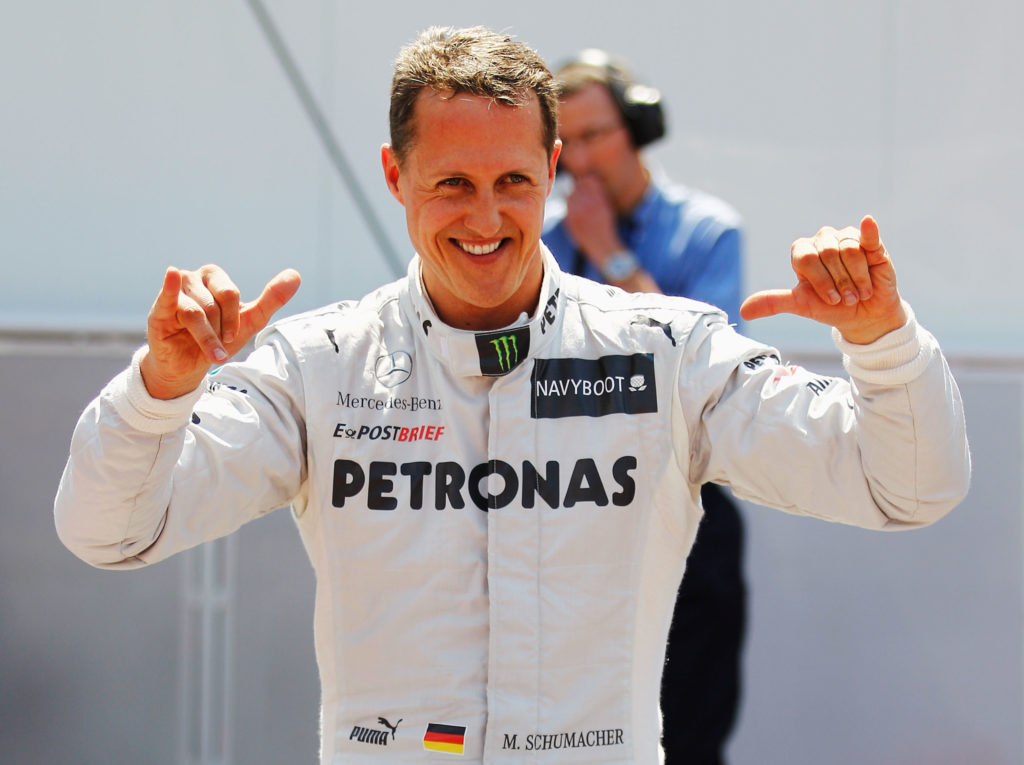
Why Michael Schumacher’s return to F1 with Mercedes did not go as planned
Naturally, a lot of expectations were placed on Schumacher and Mercedes for his comeback, given that he was statistically the greatest F1 driver of all time at that point. However, his comeback yielded little success.
Mercedes ‘misunderstood’ Schumacher’s driving style as it did not suit their car. He fought for regular points in his first season with the team, but could only manage ninth in the standings with 72 points.
Schumacher marginally improved in 2011 as he finished eighth with 76 points. He claimed his only podium for the Silver Arrows in 2012 in Valencia, while Rosberg claimed a win in Shanghai.
Schumacher struggled with Mercedes’ simulator as he was left ‘feeling ill’ watching people use it. The German retired from F1 at the end of 2012 and was replaced by Hamilton; the rest is history.
Receive exclusive F1 news and updates twice a week to your mailbox