Lando Norris
 McLaren
 Mercedes
 Red Bull
 Ferrari
 Williams
 Racing Bulls
 Aston Martin
 Haas
Haas Alpine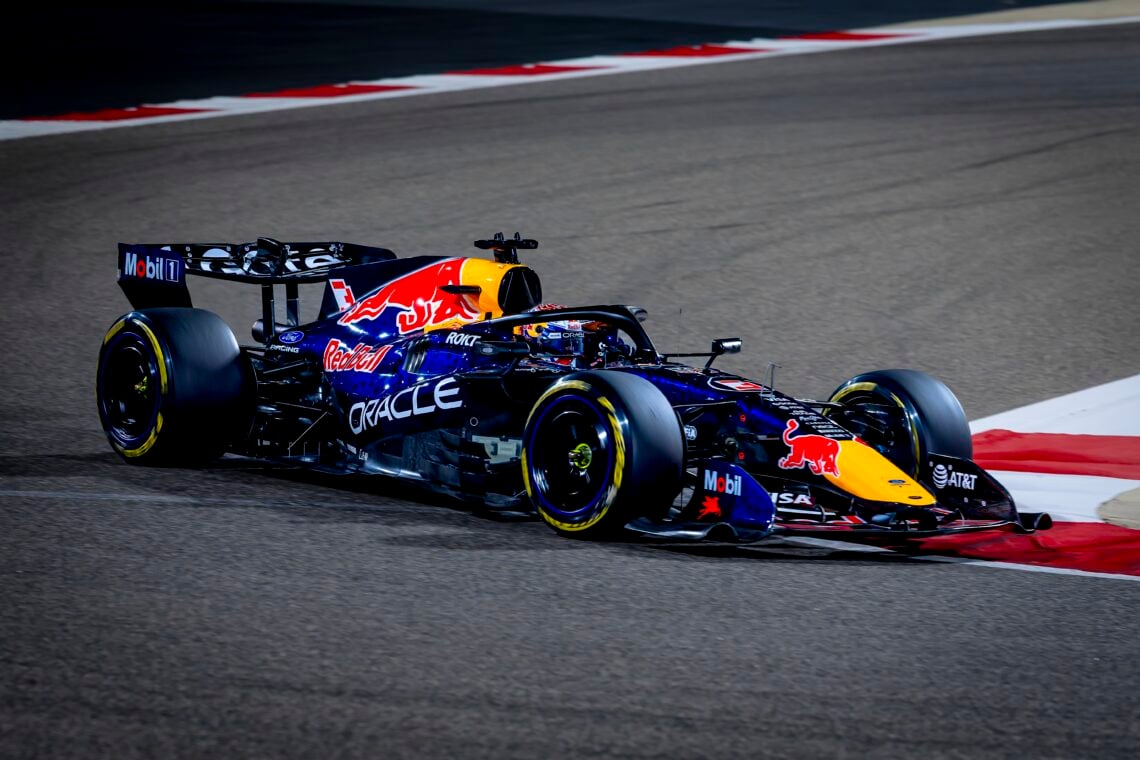


A glance into the Red Bull garage at the first pre-season test of the 2026 F1 season in Bahrain last week provided a look at how they are cooling Max Verstappen’s engine.
Red Bull have moved into new territory this term by becoming an engine constructor for the first time, after Honda joined Aston Martin. Yet the first Red Bull Powertrains unit impressed many in the paddock across the first official pre-season test of the 2026 F1 regulations era.
Mercedes team principal Toto Wolff even views the Red Bull engine as the benchmark when it comes to energy management after what he noticed while watching Verstappen and Isack Hadjar in Bahrain. Wolff thinks Red Bull gain a second a lap on the straights over their rivals.
Should Max Verstappen’s fans be getting excited after George Russell’s comments on Red Bull at the 2026 F1 Bahrain test?

Red Bull have moved the intercooler above their 2026 V6 engine
Technical director Pierre Wache denies all claims that Red Bull are the “benchmark” F1 team before the 2026 season, as they still have areas to improve the RB22 such as its traction in slow corners. Red Bull’s engine cooling system could also allow for aerodynamic upgrades.
READ MORE: Everything you need to know about F1’s 2026 engine and aero regulations
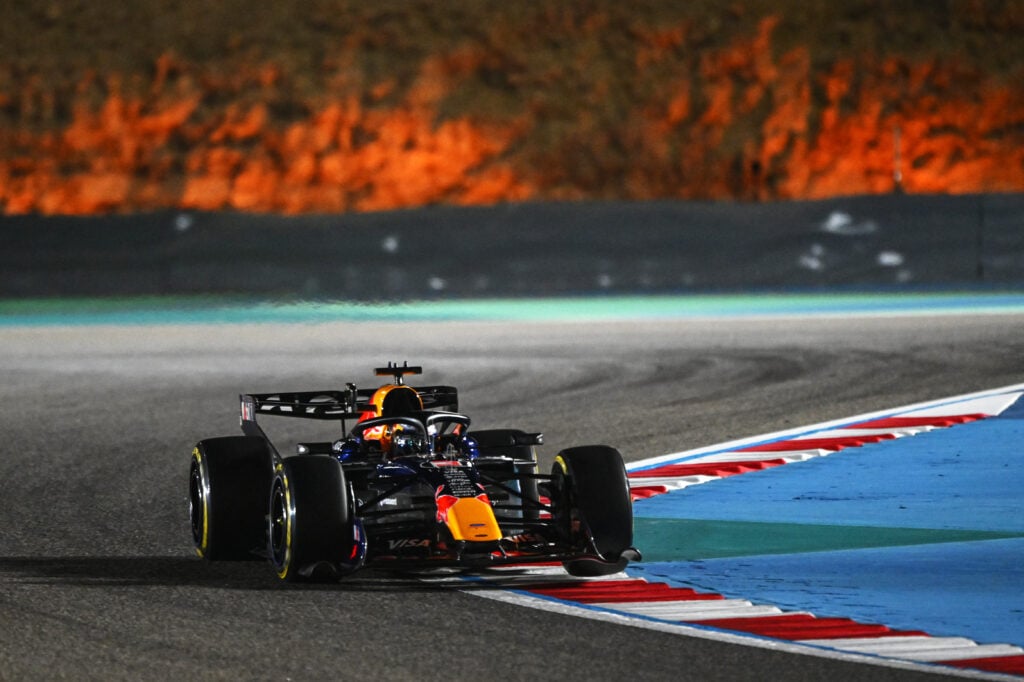
That is according to Motorsport.com, which notes that Red Bull revealed an ‘unusual’ way to cool their engine at the first Bahrain test. Red Bull have placed the air-to-air intercooler right above their V6 engine, rather than mounting it inside the sidepods and just above the floor.
Only Aston Martin seem to have followed a similar design path as Red Bull by having the air-to-air intercooler above the V6 in their new Honda power unit. Both teams decided to move the intercooler as F1’s 2026 rules created more space in the upper part of the cylinder head.
Red Bull believed it would pay off to move their intercooler, which cools the compressed air out of the turbocharger before it enters the engine, as it creates space under the water and oil radiator assemblies that could allow them to save weight with the auxiliary components.
Red Bull’s repositioned intercooler can help with their sidepod upgrades
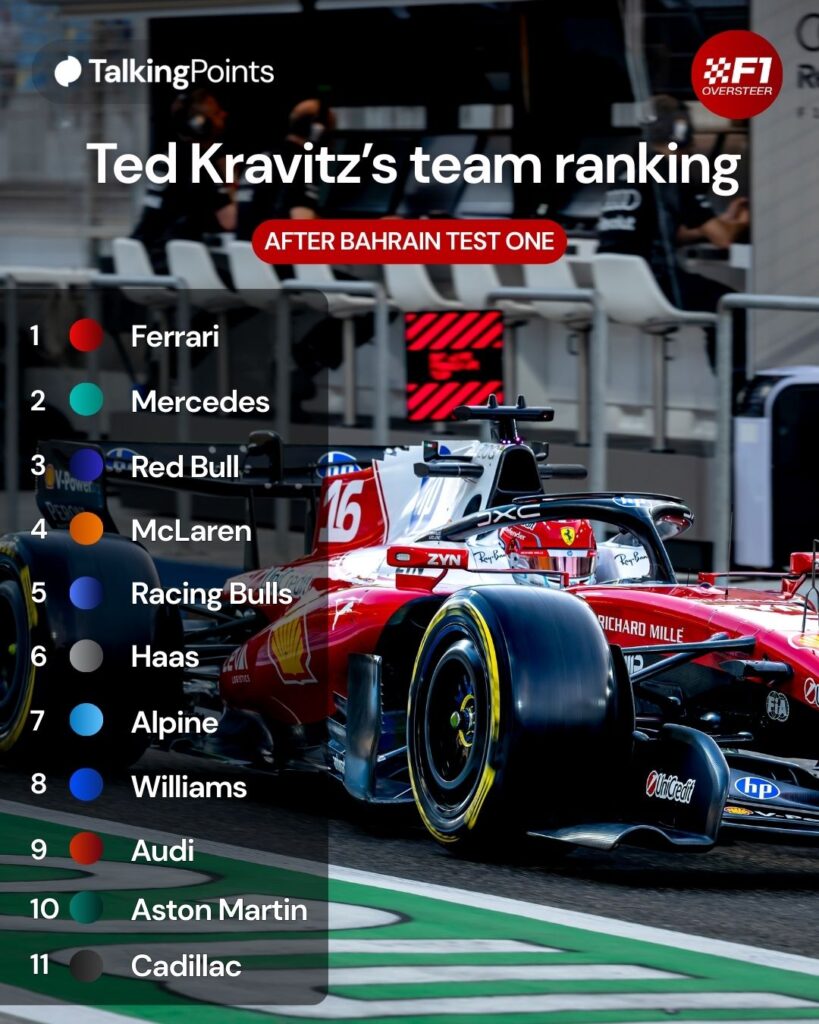
The first pecking order predictions are IN!
What jumps out?
The arrangement of the first Red Bull engine was visible thanks to spy photos looking inside their garage at the first official pre-season test of F1’s 2026 regulations era in Bahrain. It also explains why the Red Bull RB22 features an almost round air intake above the driver’s head.
Red Bull decided to run with a large air intake in Bahrain, which featured a triangular design, as it likely also lets them use very short connecting ducts to the compressor. Wache and his design team will now look to utilise the space saved in the sidepods as they develop the car.
Formula 1 will hold the second and final official pre-season test ahead of the 2026 season in Bahrain this week. It remains to be seen whether Red Bull will reveal any sidepods upgrades over the test, or show their hand at the season-opening Australian Grand Prix on March 6-8.
Receive exclusive F1 news and updates twice a week to your mailbox