Lando Norris
 McLaren
 Mercedes
 Red Bull
 Ferrari
 Williams
 Racing Bulls
 Aston Martin
 Haas
Haas Alpine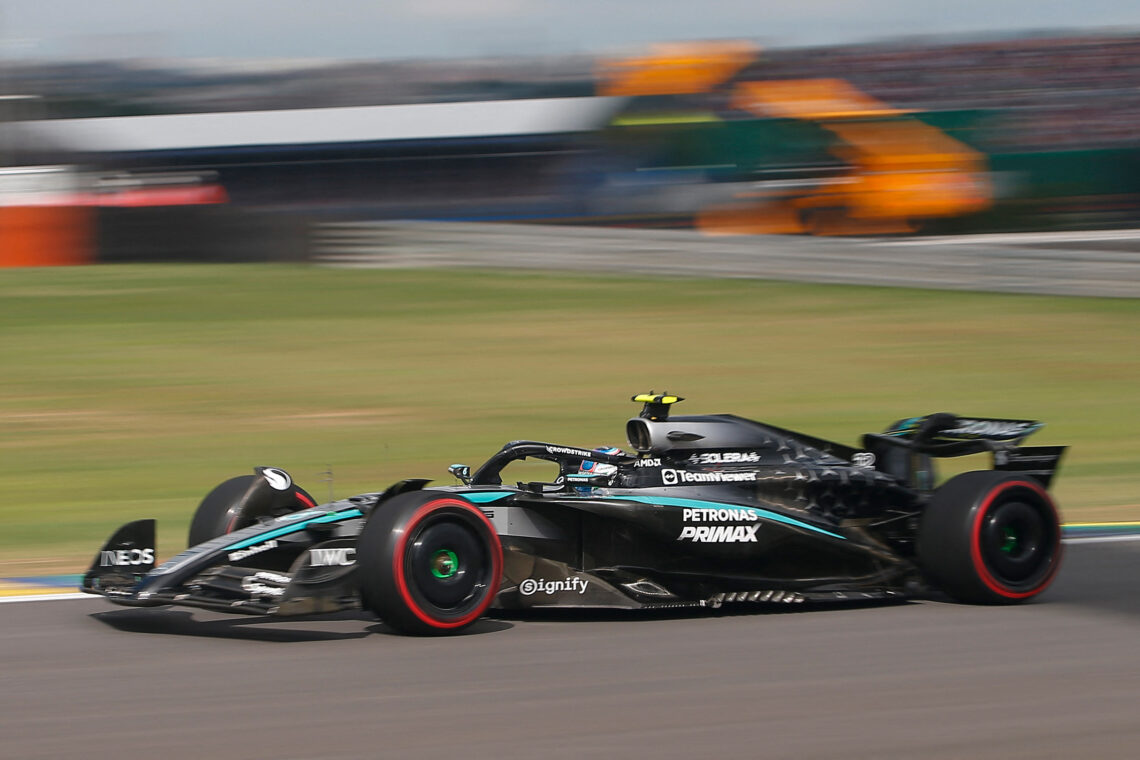


Formula 1 could see more exciting liveries in 2026 in a move to eradicate large amounts of carbon fibre left exposed on the cars.
On Friday, 14 November, the F1 Commission met to discuss several changes to the regulations for the upcoming season, including plans to make the racing more exciting.
The use of carbon fibre on the car liveries has been widely criticised for years, as many teams had previously opted for large sections of the material to reduce the weight of the cars.
The Commission had previously met with the Technical Advisory Committee to discuss the issue, with them coming to an agreement this week to introduce new livery regulations.
F1 teams will now be required to cover “a minimum of 55% of surface area” with painted or stickered liveries, when viewed from the side and above, as opposed to having bare carbon fibre surfaces on the cars.
The new regulations will be implemented next season, with the F1 Commission saying: “The objective of this measure is to increase visual differentiation between cars”.
Mercedes should bring back iconic 2019 livery after regulation changes
The move away from an overuse of carbon fibre will be an exciting move for Formula 1, as it looks to go back to colourful grid appearances of times gone by.
Some of Formula 1’s most iconic cars were those that used exciting livery designs, including the McLaren MP4/4, the Williams FW14B and the Renault R-26.
F1 teams’ compromising on livery design and the overuse of carbon fibre on their car has seen a lack of personality on the grid.
Mercedes is one of the cars with the most amount of black in their current 2025 design, with the new regulation change the perfect excuse to bring back its iconic livery designs.
The team are known as the ‘Silver Arrows’ due to the popular paint colour on their car, which has been massively reduced on the F1 vehicle in more recent years.
Mercedes has moved away from their more historical design, but the 2026 regulation change could allow the team to cover the car fully in silver once again.
Arguably, one of the Brackley-based team’s most iconic designs in recent years was its 2019 German Grand Prix livery, which celebrated their 200th F1 start.
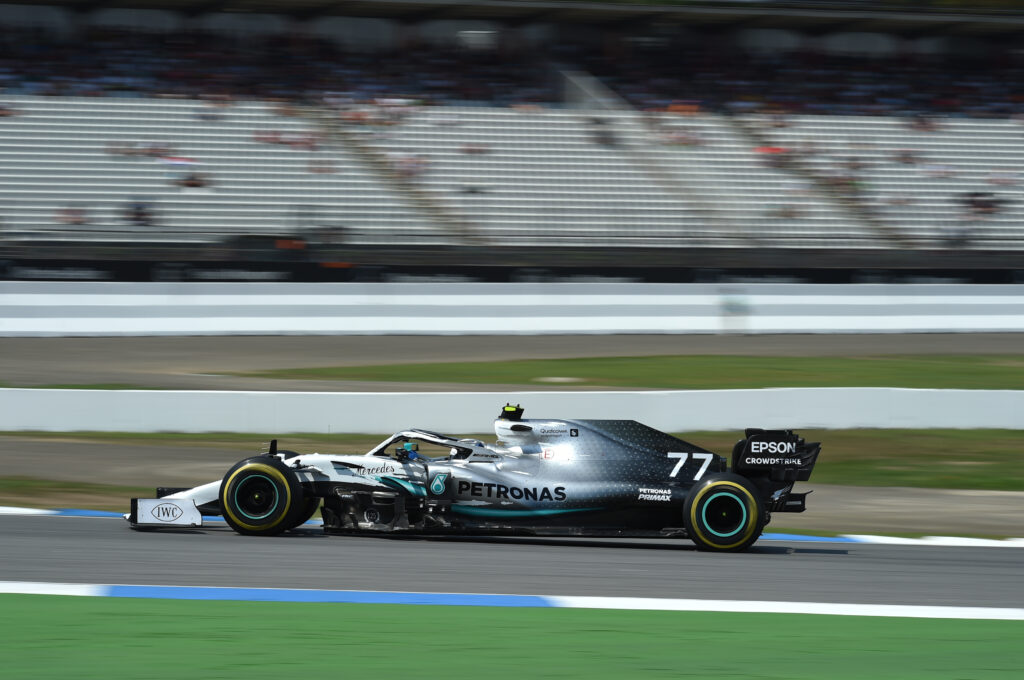
The silver and white design paid homage to the Mercedes’ racing history, with the team previously losing its white livery at the Nurburgring in 1934 when engineers scraped off the paint, exposing the silver, to bring the car under the weight limit.
Hopefully, with the mandatory livery regulations going forward, Mercedes might revert to more iconic designs of years gone by.
Colourful liveries should not be reserved for special events
Teams have refrained from using more exciting designs during the majority of the year, only bringing unique and fun liveries to specific races on the calendar.
Colourful liveries have been reserved for special occasions instead of being part of the norm, which leaves the regular grid normally looking a little lacklustre.
The Racing Bulls have been one team which have perfected their special liveries in more recent years, including a bright pink car in Miami and a sparkly car for Vegas last year.
Arguably, one of the most exciting design prospects came at the start of 2024, when Alpine teased a pink camouflage design ahead of the start of season.
Fans were excited for the unique design, but it flopped when it was never seen on the grid. The Alpine camouflage never came to fruition, and the livery launched ultimately fell short with the F1 audience.
None of the current teams have been brave enough to fully push the boat out with their permanent livery designs in more recent years, so a regulation change could be warmly welcomed.
Teams will be forced to think more creatively in 2026, and hopefully, we will see a nod to times gone by instead of black stickers being used to cover the carbon fibre.
The future of mandatory two-stop strategies remains uncertain
As part of the F1 Commission’s meeting, the team also discussed the future of mandatory two-stop strategies to make racing more exciting.
The subject has been highly discussed online in recent weeks, but no decisions have been made on whether this will be implemented next season.
The F1 Commission looked at feedback from the teams and tyre supplier Pirelli about the suggested change, but have agreed to make no changes for now and instead will revisit the topic next season.
Another decision was made on permanent racing numbers for each driver, which were originally introduced in 2014.
It was agreed that drivers will be able to change their numbers during their Formula 1 careers going forward.
This means that newer drivers who may have been unable to select a previously desired number due to it being held in the mandatory two-year cooling-off period for former drivers, will now be able to select that number when the reserve period has expired.
Receive exclusive F1 news and updates twice a week to your mailbox