Lando Norris
 McLaren
 Mercedes
 Red Bull
 Ferrari
 Williams
 Racing Bulls
 Aston Martin
 Haas
Haas Alpine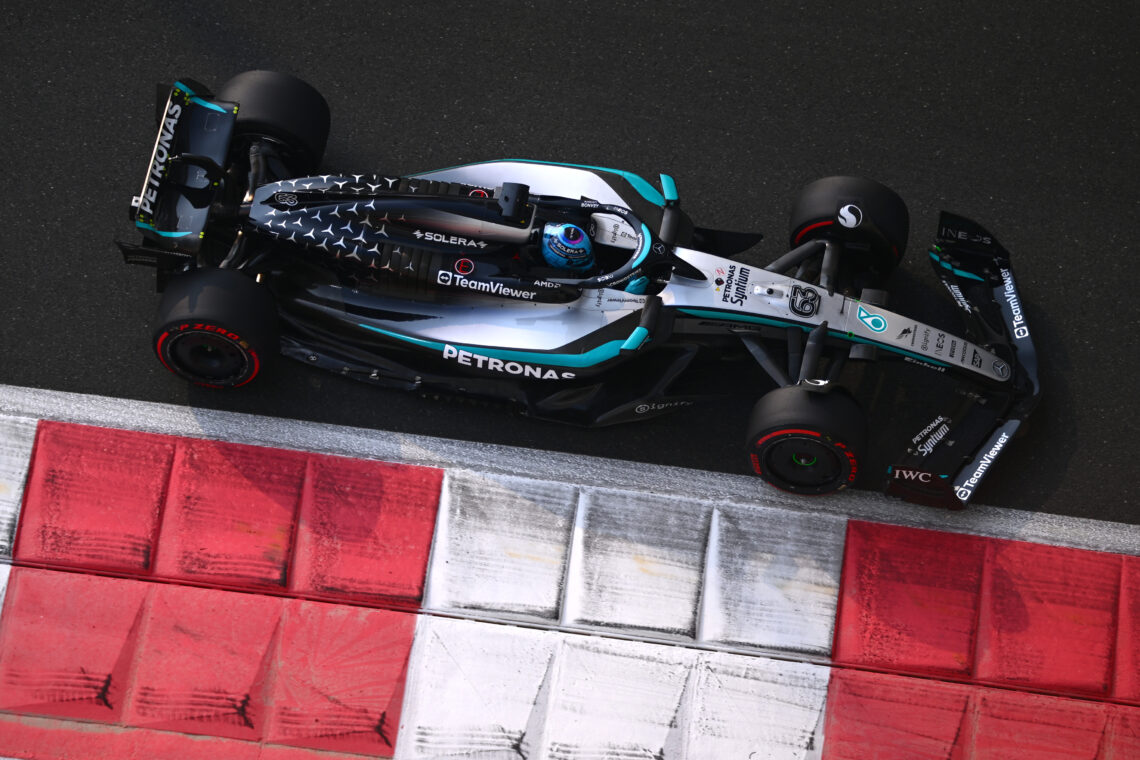


Mercedes enter 2026 with high hopes that the new regulations take the Silver Arrows back to the top of the F1 summit, after falling short throughout the ground-effect era.
The Brackley bunch were the team to beat every year between 2014 and 2021 following the introduction of 1.6L V6 turbo-hybrid power units. Mercedes won the seven drivers’ titles and eight constructors’ titles during that period, but have not contended for a crown since 2021.
Mercedes went the wrong way when F1 re-introduced ground-effect cars in 2022 by initially developing their notorious zero-pod concept, which proved to be a huge mistake. The Silver Arrows would never get to grips with the regulations, which F1 dropped at the end of 2025.
Now, however, Mercedes are expected to move back to the front of the field under the 2026 F1 regulations. The Brackley crew are widely expected to design the best engine for the new rulebook, which will be the biggest performance differentiator between the now 11 teams.
Mercedes are expected to have the best 2026 F1 regulations engine. How many wins will they take in 2026?
Simulator tests leave questions about the handling of Mercedes’ 2026 F1 regulations car
But while Alpine driver Pierre Gasly has heard Mercedes’ 2026 F1 rules engine is in a “great place”, ahead of the Enstone natives becoming a power unit customer, the Silver Arrows are not entirely confident about their new car ahead of the first pre-season test later in January.
READ MORE: Everything you need to know about the 2026 F1 engine and aero regulations
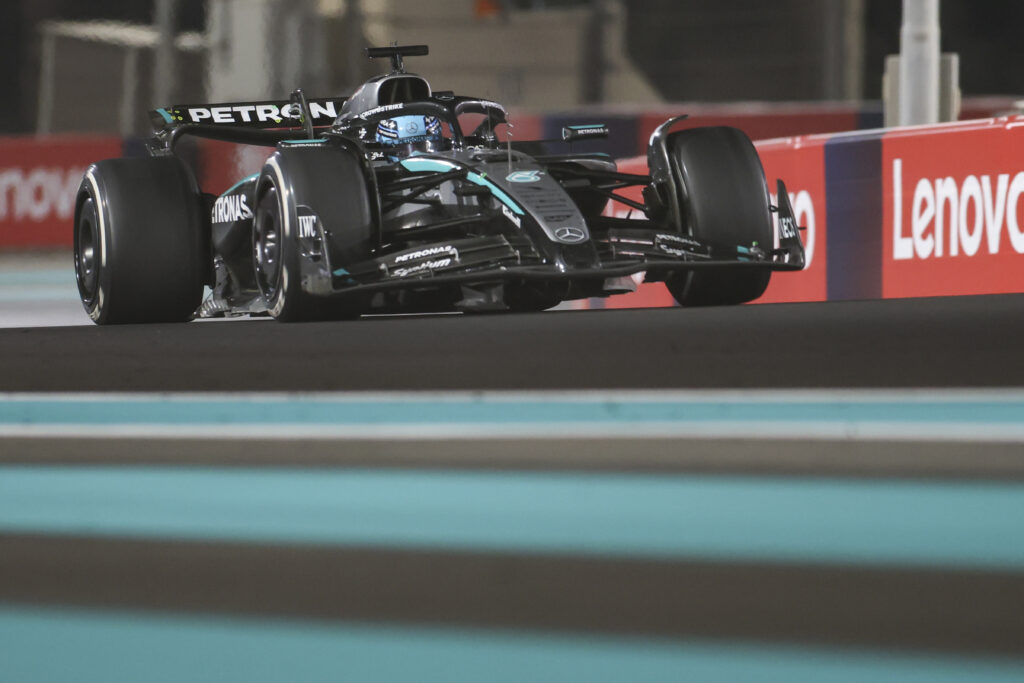
According to FunoAnalisiTecnica, Mercedes team principal Toto Wolff is striving to lower the expectations about their car for the new rules. Despite the widely held belief that Mercedes will create the best engine for the 2026 F1 regulations, questions remain about their chassis.
In particular, Mercedes’ simulator tests with their 2026 F1 regulations car have revealed one question about the handling of their new challenger that is now ‘bothering’ the team. Their simulator cannot sufficiently replicate the physical sensations when their car begins to slide.
Mercedes hope George Russell and Andrea Kimi Antonelli can start to give them ‘important’ answers about the handling of their 2026 car when pre-season testing begins behind closed doors in Barcelona on January 26-30, before testing in Bahrain on February 11-13 and 18-20.
Mercedes’ questions about their 2026 F1 rules car could encourage McLaren
Mercedes are in the final stages of designing their car for the 2026 F1 regulations, which the Brackley crew will only truly know whether it is a title-challenging package when the season starts in Australia on March 6-8. Qualifying in Melbourne will see the first real pecking order.
READ MORE: Lando Norris’ first F1 drivers’ title in 2025 was defined by seven key moments
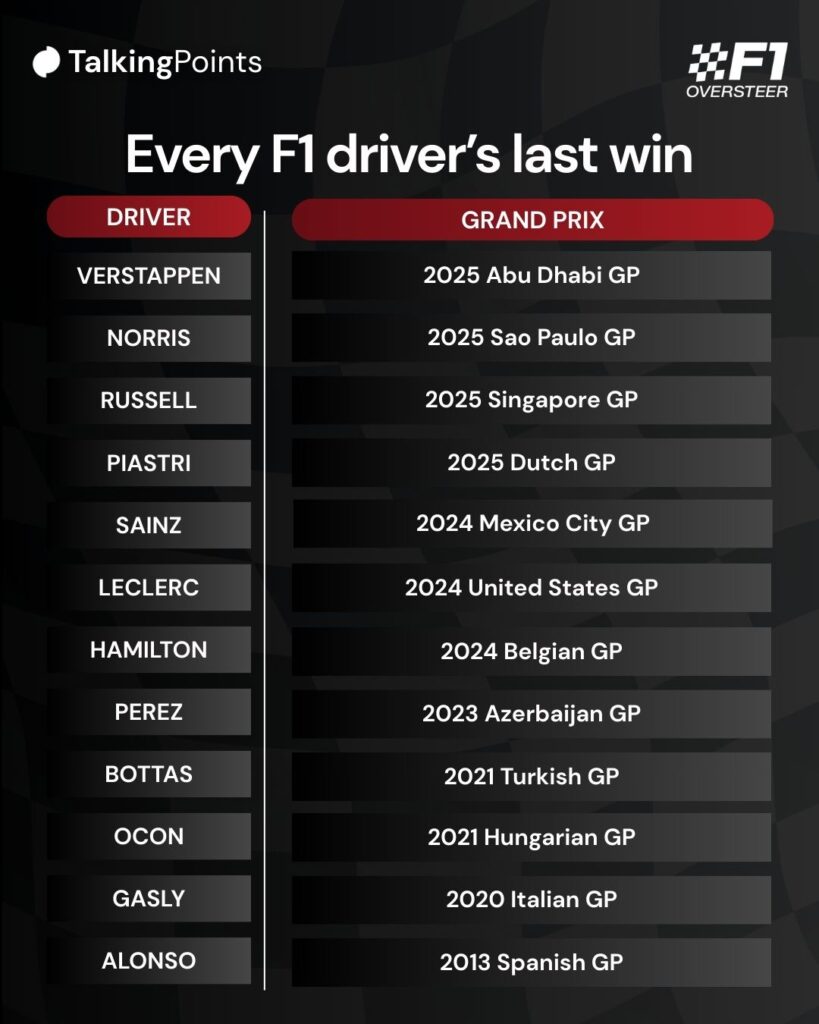
Who will be the next driver to join the Grand Prix winners list?
The 2026 F1 regulations encourage Mercedes driver Russell, as he believes the new chassis rules will suit the Silver Arrows far more than the ground-effect era from 2022 to 2025. The new regulations are likely to deliver cars in line with the ones that saw Mercedes dominate.
Mercedes’ hesitancy about the handling of their 2026 rules car after their recent simulator tests could put Russell’s confidence to the test. McLaren, in particular, could also take some comfort in their rival’s uncertainty, as the Woking outfit strive to defend both titles in 2026.
McLaren, Williams and Alpine will run Mercedes engines in 2026, which should put them in a strong position given the widely-held expectations about the Silver Arrows’ power unit. It will then be up to McLaren, Williams and Alpine to design new chassis that can beat Mercedes’.
Receive exclusive F1 news and updates twice a week to your mailbox