Lando Norris
 McLaren
 Mercedes
 Red Bull
 Ferrari
 Williams
 Racing Bulls
 Aston Martin
 Haas
Haas Alpine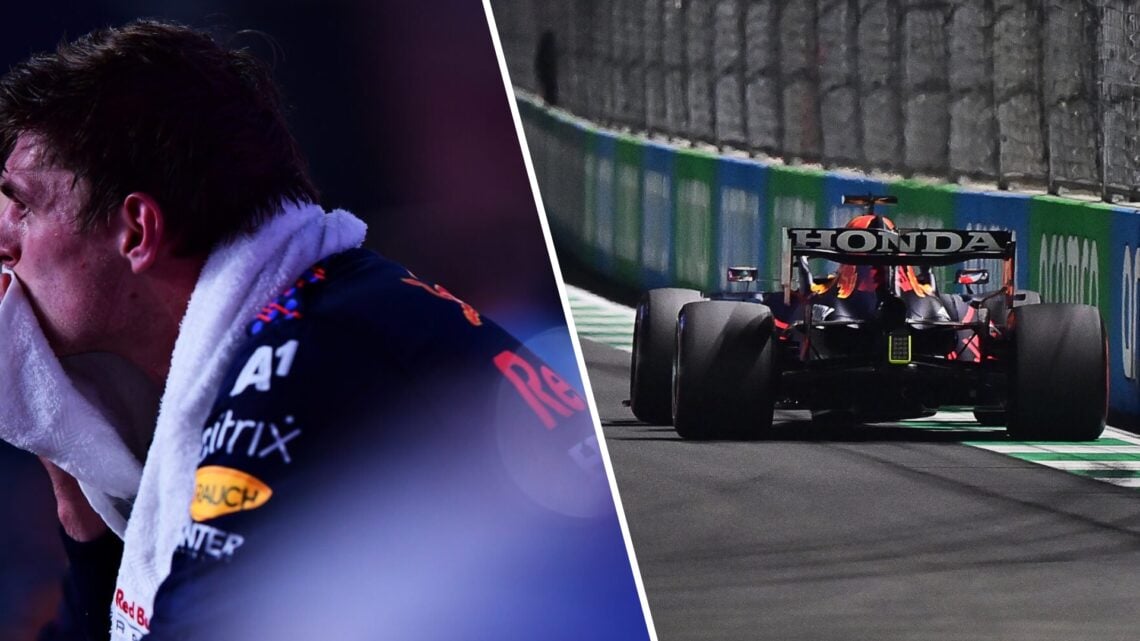

Max Verstappen’s qualifying lap during the 2021 Saudi Arabia Grand Prix might be one of the most unfulfilled pieces of potential in Formula 1 history.
The Dutchman was looking to improve on his third place in the dying moments of Q3 when he was several tenths up on Hamilton in the first couple of sectors.
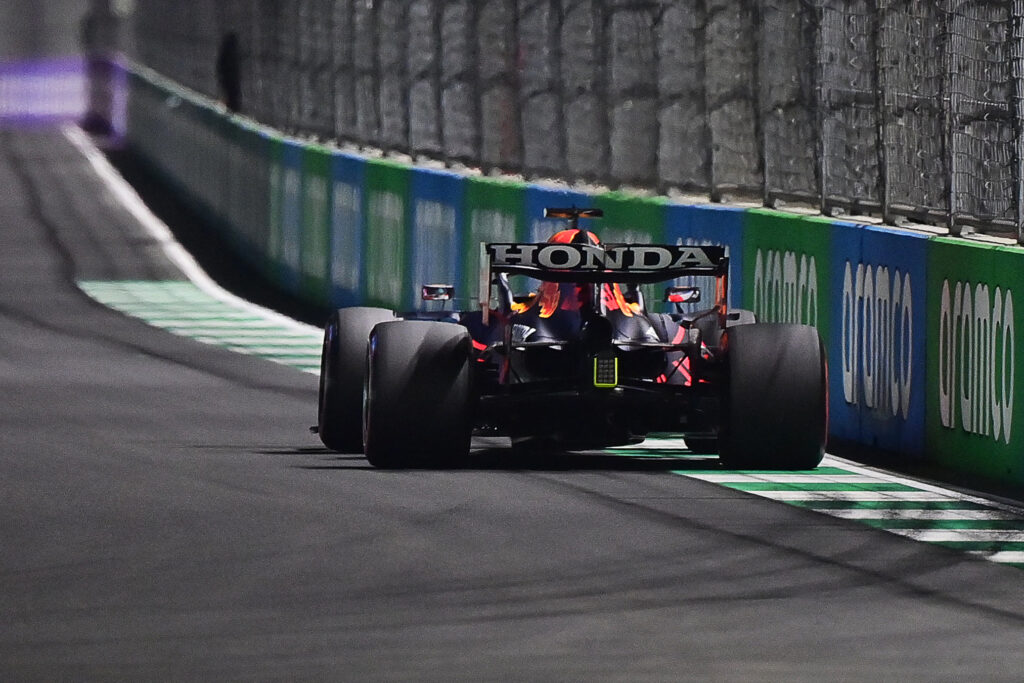
The mesmerising TV coverage captured everyone’s attention, including Fernando Alonso, who was seen interrupting his interviews to watch it in the media pen. As Verstappen approached the final turn of the 27-corner epic, he locked his left front tyre, ran wide and tagged the barriers on exit.
It was a premature end to one of the best laps of all time from the Dutchman, although he would later complete the lap in 2024 with another sublime effort.
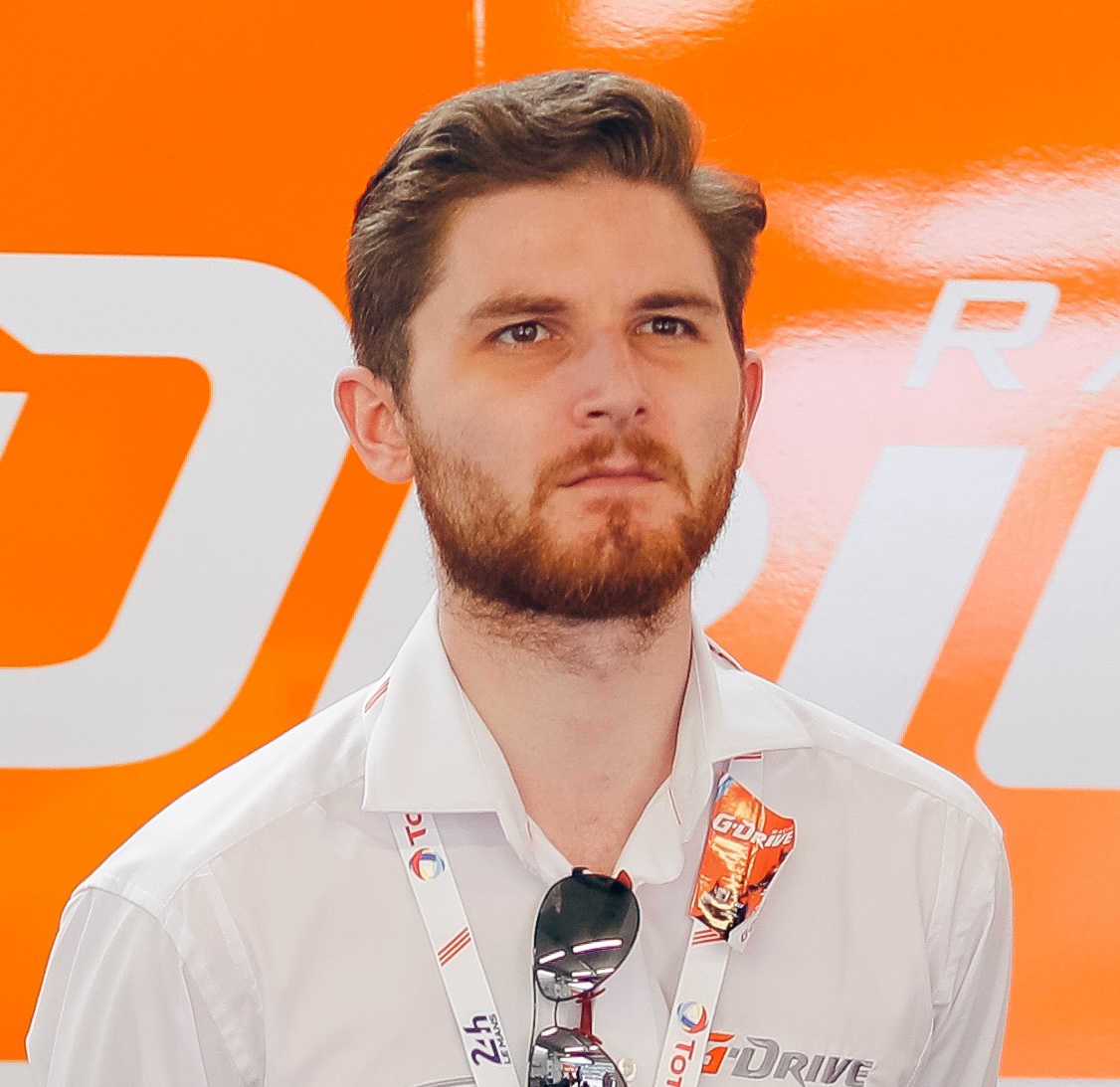
Discussing how the Dutchman managed to nearly pull off one of the greatest laps of all time, Verstappen’s performance coach, Bradley Scanes, revealed one trick he did beforehand when speaking on the High Performance podcast.
Max Verstappen asked someone to build him a simulator model of the Jeddah Corniche Circuit
The Jeddah Corniche circuit is one of the hardest tracks on the calendar to get right due to how close the drivers run to the barriers and the mix of unsighted corners.
Leading up to the first race in 2021, no team had modelled the track for their simulators because the layout was only signed off in the days leading up to the race. Undeterred by this, Verstappen would use his ingenuity and conjure up his own solution that involved some help from the internet.
“Max is a little bit more of that new generation of simulator driver where they’re getting so many virtual laps of a track that they’re doing some high-level visualisation stuff. I think everyone misses that with Max; he often gets branded as a natural talent. But this has been years and years of hard work. There is a reason why he goes out in FP1 and sets purple lap after purple lap while others are still setting up. It’s because he’s been practising the track for hours leading up,” explained Scanes.
“Saudi Arabia was the best example. The first year we went there, nobody could get a handle on that track the entire FP1, and Max just kept doing purple sectors. Red Bull didn’t even have the simulator version of the track in their simulator, and Max found someone online to build out what the track looked like to put on his own simulator so he could practice the track.”
Humphrey: “So he was able to practice the track on his own simulator nobody else had?”
Scanes: “Yeah, but off his own back. This is the work ethic and the differences that make champions. This is 2021, and we’re in a title fight. Every little bit matters. Ultimately, we didn’t win Saudi for a number of reasons, but you could see the speed. And his qualifying lap before he pinged the wall would’ve gone down as one of the greatest ever.”
Max Verstappen’s performance engineer reacts to Saudi Arabia GP lap crash
Amidst the disappointment of crashing during an all-time great lap, Verstappen still had the presence of mind to think about the potential consequences when he stopped on track according to Scanes.
“How clever he was in that moment because he could’ve continued the lap, but he pulled the car over because he didn’t want to cause any more damage. We’re already starting P3, and if he finished the lap, he would’ve damaged the car even further, and that would’ve impacted the race,” he explained.
“He’s on this flying lap, P1 for sure, and he stops on track and we’re like ‘What happened?’ but in his mind he’s like ‘Well, I’ve got to get points tomorrow and I’ve got one race to win the world championship’ but it just shows his mentality.”
Verstappen would go on to finish second in the race, which would put both him and Hamilton level on points at the final round in Abu Dhabi for the title showdown.
Receive exclusive F1 news and updates twice a week to your mailbox