Lando Norris
 McLaren
 Mercedes
 Red Bull
 Ferrari
 Williams
 Racing Bulls
 Aston Martin
 Haas
Haas Alpine


Liam Lawson believes F1 will be “more different” than ever before due to the sizable changes with the 2026 regulations after driving Racing Bulls’ car in their simulator.
The 23-year-old has been hard at work in Faenza over the winter, as he can see clear scope to carry an early advantage to the first pre-season test at the Circuit de Barcelona-Catalunya on January 26-30. F1 will also stage two open tests in Bahrain on February 11-13 and 18-20.
F1 has decided to stage the Barcelona test behind closed doors to afford the 11 teams, with Cadillac joining the grid, privacy owing to the likely early reliability problems under the new regulations. The 2026 F1 regulations represent the biggest overhaul of the rulebook to date.
Racing Bulls also face an additional challenge in 2026 as they and Red Bull Racing will switch to Red Bull Powertrains engines, after Honda moved to Aston Martin. Power units are set to be the biggest performance differentiator in 2026 thanks to the increase in electrical power.
Do any of these drivers need to change their ways in 2026?
Driving offences only
Liam Lawson thinks F1’s 2026 engine regulations could let drivers have a ‘much bigger’ impact
F1 has increased the electrical power output from a 20/80 split in favour of the combustion engine to 50/50, as well as removing the MGU-H and moving to fully sustainable fuels. And Lawson expects power management will be “important”, given the greater electrical power.
READ MORE: Everything you need to know about the 2026 F1 engine and aero regulations
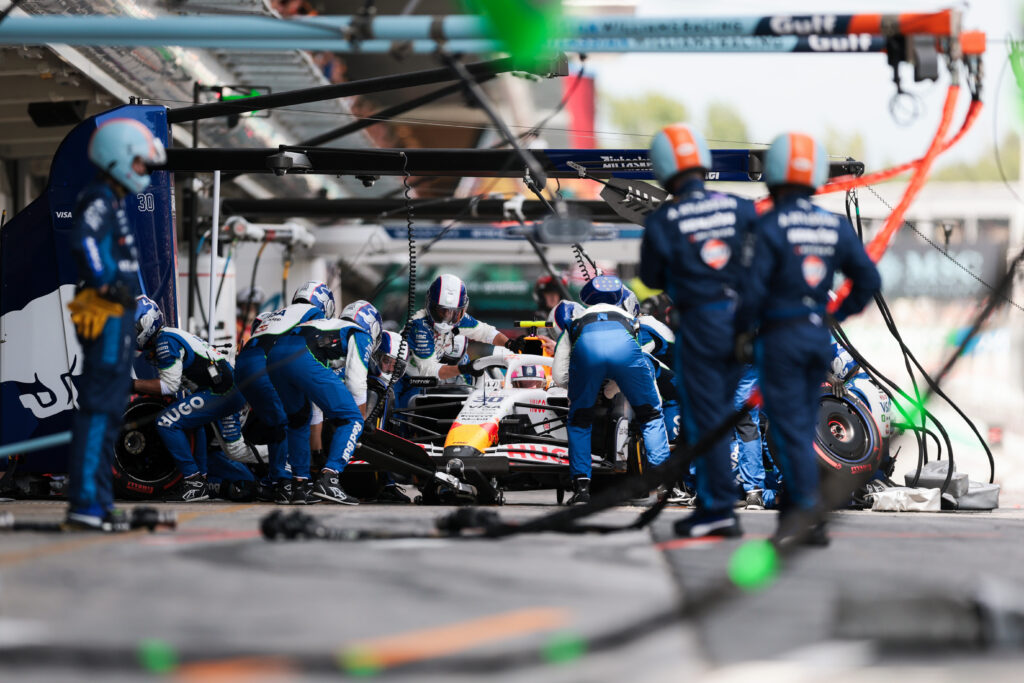
But driving Racing Bulls’ car in their simulator has shown Lawson that the increased energy management with the 2026 F1 regulations may also be a big positive. The Kiwi believes the new engine rules could allow the 22 F1 drivers in 2026 to make a bigger difference in races.
“I haven’t driven it yet, of course,” Lawson said, via quotes by Nextgen-Auto. “But from what I understand in the simulator, it will be more different than anything we’ve driven so far.
“It will be a massive change. So, the time we spend studying everything between now and the first test will be extremely important.”
Lawson added: “This energy management that we’ll have to do with the 2026 car will be extremely important. Potentially, the driver will also have a much bigger impact. So, it’s something we really need to be aware of. Perhaps it even means there are more things a driver can do in the car to help make a difference.”
Racing Bulls must help Red Bull understand their new engine in pre-season testing
Are you annoyed about F1 lap times getting slower under the 2026 regulations?

The 22 drivers and 11 teams on the grid in 2026 will likely face a huge challenge adapting to F1’s new engine regulations, as the increased electrical power will see drivers having to pay very close attention to their energy management and how they intend to utilise their power.
Pre-season testing in Barcelona and Bahrain will gift Lawson, Racing Bulls and the rest of the grid the chance to learn on a live track how the new engine regulations will impact each lap. Yet not every team agrees on the best approach for the behind-closed-doors Barcelona test.
Racing Bulls’ sister team Red Bull are due to use a race-ready car at the 2026 F1 Barcelona test, as they believe it is the most beneficial way to gain data as they start their new life as a power unit constructor. F1 teams must also understand the new aero rules and Pirelli tyres.
F1 is also introducing active aerodynamics on the front wing for the first time, along with a replacement on the rear wing for DRS. But Ferrari intend to hide their 2026 race car at the Barcelona test, as they want to avoid giving their rivals any clues about their real package.
Receive exclusive F1 news and updates twice a week to your mailbox