

 Lando Norris
 McLaren
 Mercedes
 Red Bull
 Ferrari
 Williams
 Racing Bulls
 Aston Martin
 Haas
Haas Alpine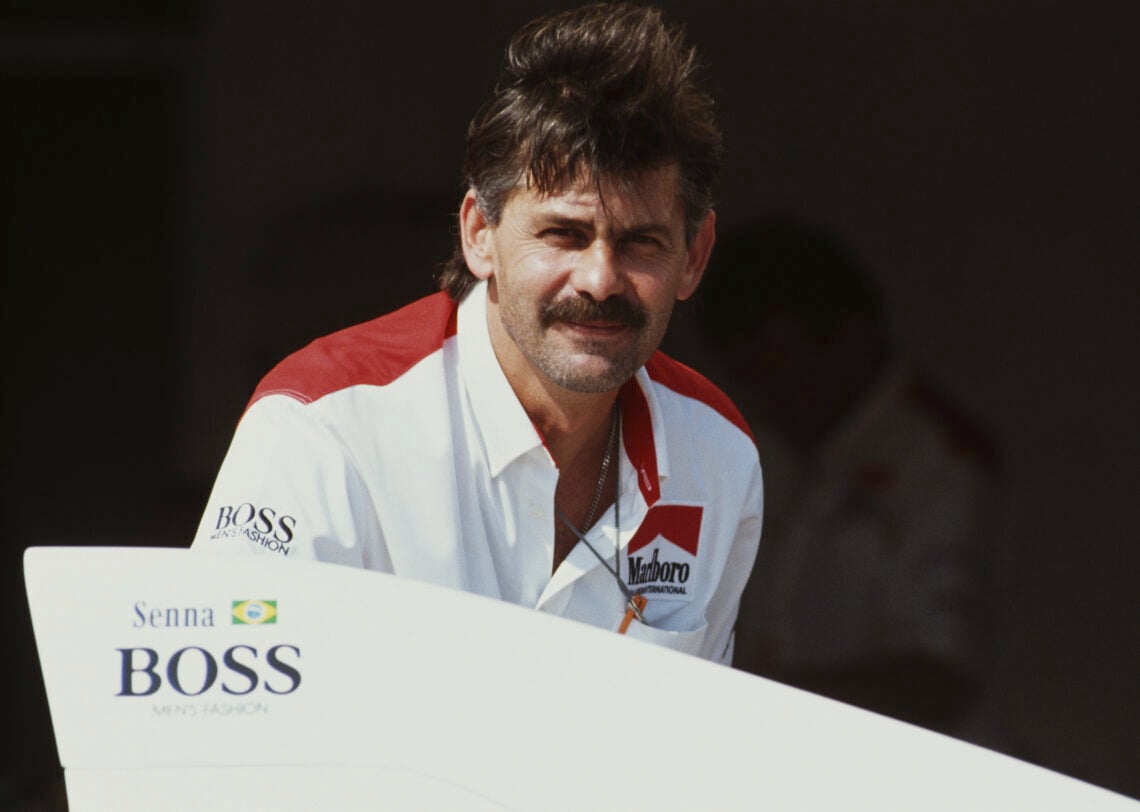


The current generation of Formula 1 cars has proven to be a difficult design, with all the field now converging on Red Bull.
Red Bull was the team to beat for three years, having enjoyed a particularly dominant run through the 2023 season when they broke records, including most wins in a season for a single team.
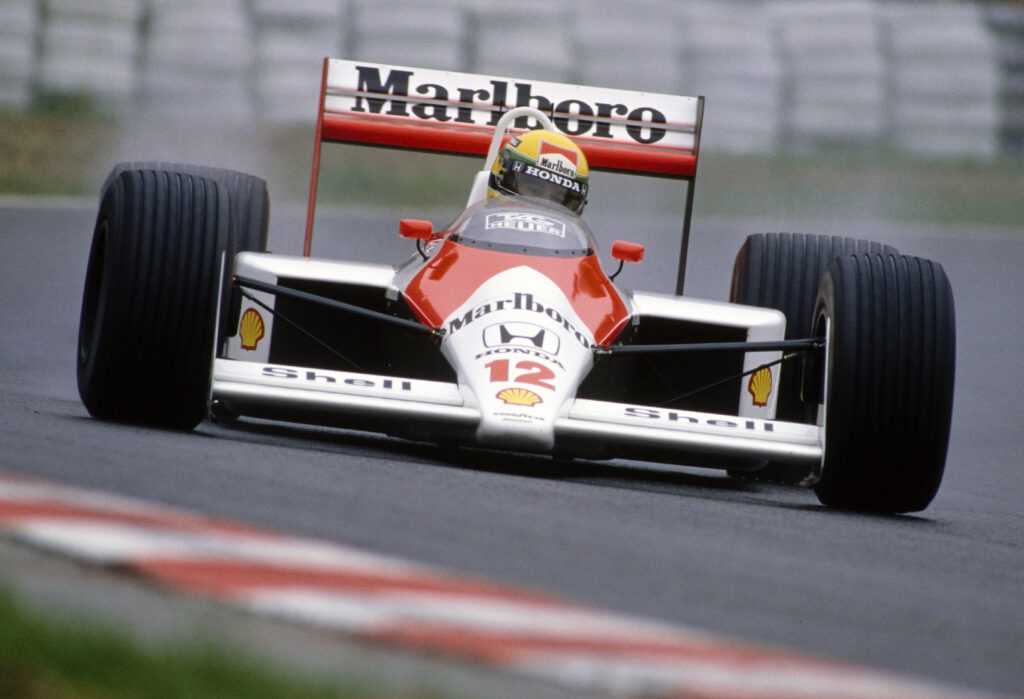
The record was previously held by McLaren with the dominant MP4/4 driven by Alain Prost and Ayrton Senna in the 1988 season, winning 15 out of 16 races.
The car was designed by Gordon Murray, who pioneered a lot of engineering tricks in F1 while at McLaren and previous teams, Brabham.
The South African recently explained in an interview with The Telegraph why he wouldn’t like to design cars in the modern era of F1.
Gordon Murray explains why he would ‘hate’ to design current F1 cars
Murray said he would “hate” to design F1 cars today due to the lack of freedom that is offered to designers in the regulations, with there being little room for big innovations.
At the height of McLaren’s success in the late 80s, the regulations enabled designers to come up with innovations and designs, including the pull-rod suspension.
Murray was responsible for introducing strategic pit stops and refuelling in F1 at Brabham, something which is currently banned in the sport today.
“I did some calculations on the lap-time differential between half tanks and full tanks and that was very easy to calculate. We knew that going from empty tanks to full tanks was about 2.5sec a lap. So, if you could start on half tanks you would have a second-a-lap advantage, every lap,” said Murray.
“Because there were no rules about refuelling, I used pressure – we had a couple of old beer barrels and we pressurised one, I think 2.5bar or something, and we could get 30 gallons of fuel in in three seconds. It was highly dangerous!”
READ MORE: Everything we know about F1’s 2026 regulation changes from engines to tyres
Adrian Newey thinks there is more room for innovation than expected in 2026 F1 rules
Adrian Newey is often lauded as one of the great F1 car designers having been responsible for some of the most successful creations at Red Bull and McLaren.
While being initially sceptical about the 2026 F1 ruleset, Newey believes there are more opportunities than meets the eye, having drawn a parallel to the last major rule change in 2022.
“[I was] Initially thinking the regulations were so prescriptive that there wasn’t much left here [for a designer], but then you start to drill into the detail and realise there’s more flexibility for innovation and different approaches than first meets the eye,” Newey told Aston Martin’s official website.
Newey expects a similar convergence will happen between the teams after 2026 within the first two or three years of the regulation cycle.
Receive exclusive F1 news and updates twice a week to your mailbox


