Lando Norris
 McLaren
 Mercedes
 Red Bull
 Ferrari
 Williams
 Racing Bulls
 Aston Martin
 Haas
Haas Alpine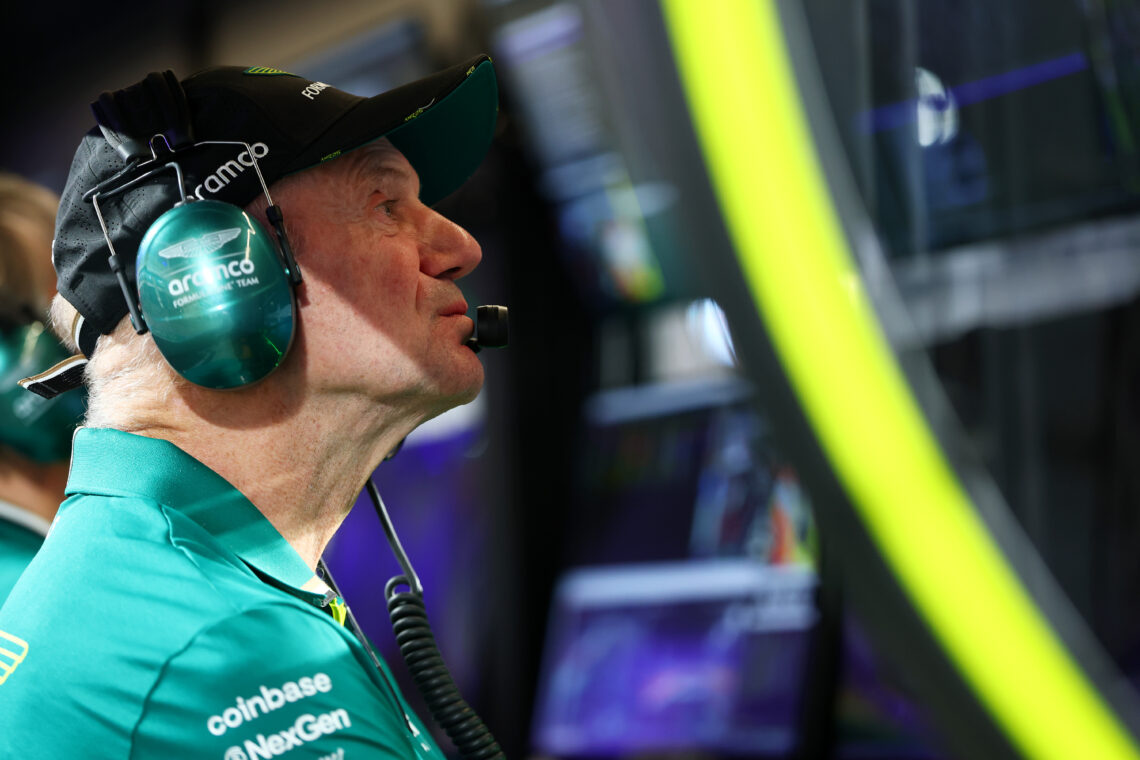


Aston Martin finally joined the 2026 Barcelona shakedown test this Thursday, and the design genius of Adrian Newey immediately stood out when Lance Stroll hit the track.
The Silverstone squad were late to the party after new team principal Newey left it as late as possible to maximise the development time of the first Aston Martin with his fingerprints on it. Newey’s aggressive approach caused delays with the production and build of the AMR26.
Stroll finally took the first laps in the AMR26 late in the afternoon of Day 4 of the Barcelona shakedown, as Aston Martin faced some teething troubles in the morning. Their late arrival means Aston Martin will only use two of their three permitted days across the five-day test.
Newey’s influence on Aston Martin’s first car built to the 2026 F1 regulations stole the show on Day 4 in Barcelona. In particular, a lot of eyes were drawn to the sidepods on the AMR26, but the rear suspension layout on Aston Martin’s 2026 car blew Karun Chandhok away also.
The AMR26 has finally arrived in Barcelona! Is it too late to benefit from this test, though? 😬
What are your thoughts on Adrian Newey's first Aston Martin F1 car? 🤔
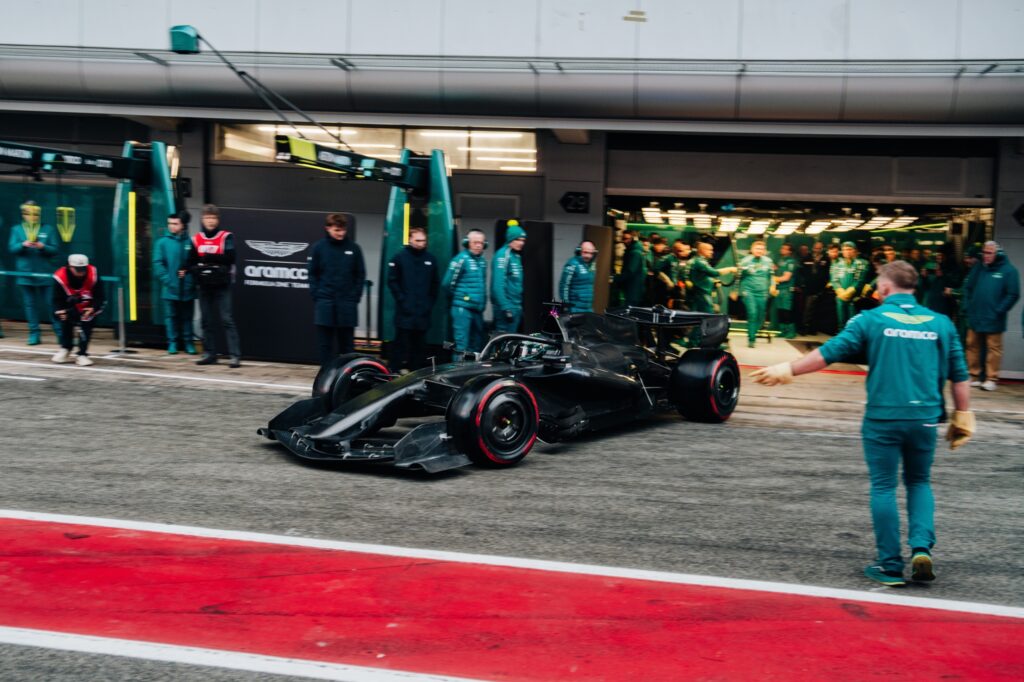
Gary Anderson thinks Adrian Newey created an ‘extreme double floor’ with Aston Martin’s 2026 car
Gary Anderson is “surprised” that Aston Martin have left enough room for a radiator in their sidepods, as they are so small. He also praises Newey for Aston Martin’s sidepods, as the design creates almost a “double floor” that should reduce drag and can prove huge in 2026.
READ MORE: Everything you need to know about F1’s 2026 engine and aero regulations
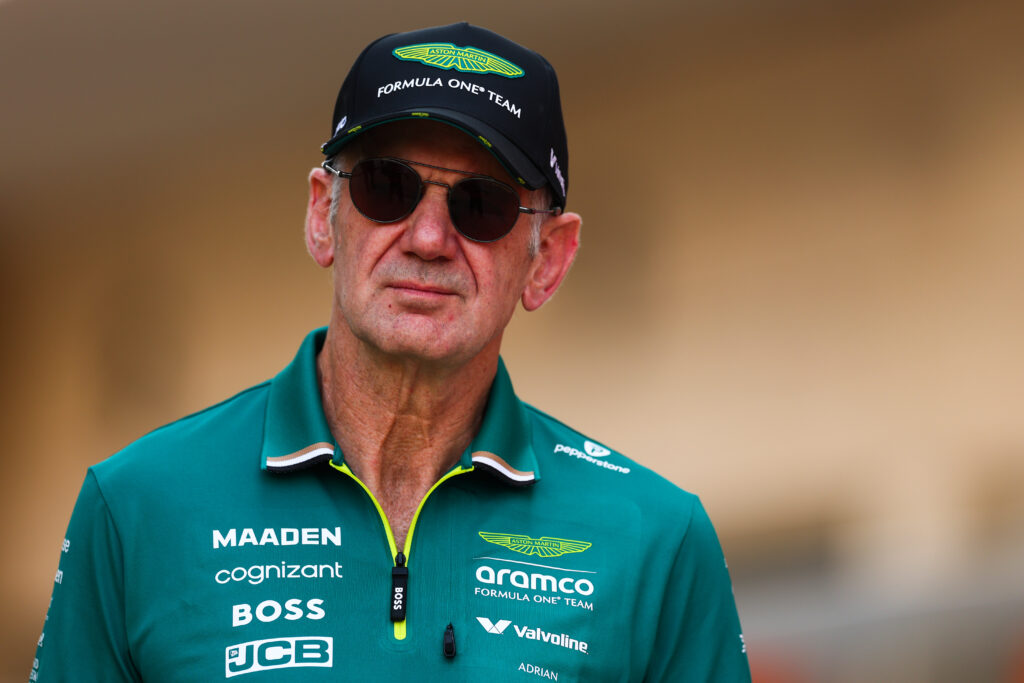
“You could say it has a ‘zero’ sidepod concept, and then some,” Anderson has told The Race. “That’s not so much in terms of width, but in terms of depth. It’s so slim, I’m even surprised there is room for a radiator in there.
“The intake is high and letterbox-shaped, and the exit is fairly well forward in the engine cover sides, and I would say ‘brutal’. However, some of that is because the engine cover behind that opening is undercut to the extreme.
“As for the sidepod itself, it’s effectively an extreme double floor. This means the cross-sectional area between the wheels going from front to back will be smaller than the others that I have seen.
“That will mean a lot less airflow displacement as the car passes through it, which in turn should reduce the drag level. This could be very beneficial under these regulations.
“Adrian is always very good at working out the right compromises when it comes to creating the most performance from a rules package. So, with the energy demands of these cars and the value of low-drag in making best use of that, perhaps he’s decided to go all-in on that?”
Honda recommitted to F1 with an exclusive Aston Martin deal due to the 2026 engine rules
Fill in the blank: Aston Martin will finish P_ in the 2026 F1 standings
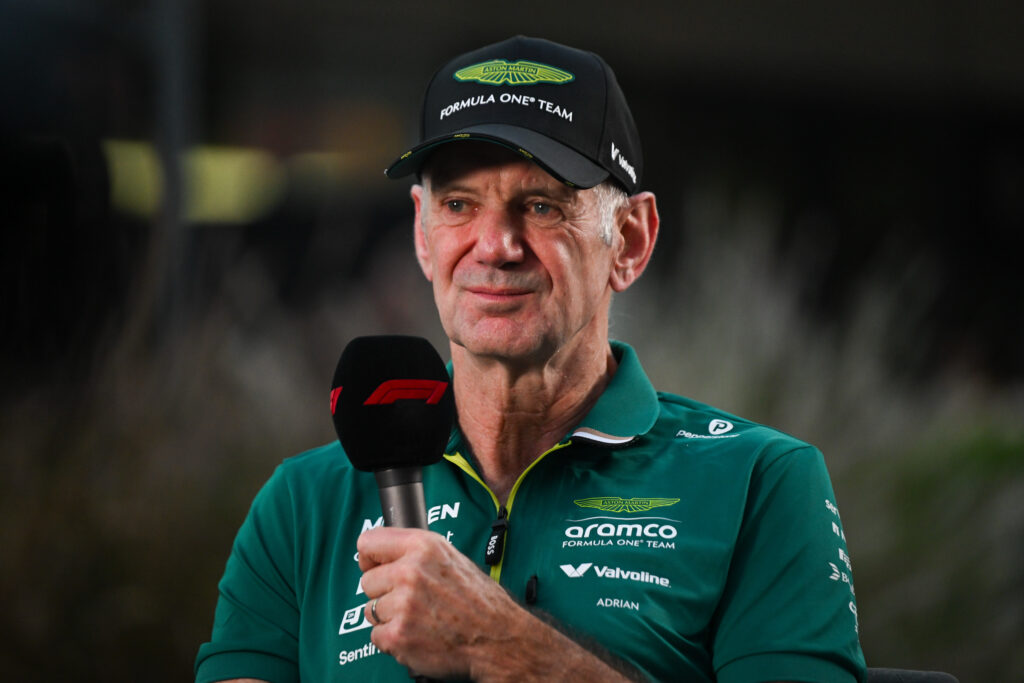
Former Jordan technical director Anderson has highlighted the way that Aston Martin’s tiny sidepods should reduce drag as energy management will be key under the new regulations. F1 has increased the electrical share of the power split from 20/80 to almost 50/50 in 2026.
Honda recommitted to staying in F1 owing to the 2026 regulations, which also removed the expensive MGU-H and moved to sustainable fuels. The Japanese brand had chosen to leave F1 at the end of the previous rules cycle, but pulled a U-turn and signed with Aston Martin.
Red Bull founded their own power unit department due to Honda’s initial decision to leave F1, with Red Bull Powertrains also supplying Racing Bulls. Honda now only works with Aston Martin, who will hope Newey’s design genius after he joined from Red Bull in 2025 pays off.
Receive exclusive F1 news and updates twice a week to your mailbox