Lando Norris
 McLaren
 Mercedes
 Red Bull
 Ferrari
 Williams
 Racing Bulls
 Aston Martin
 Haas
Haas Alpine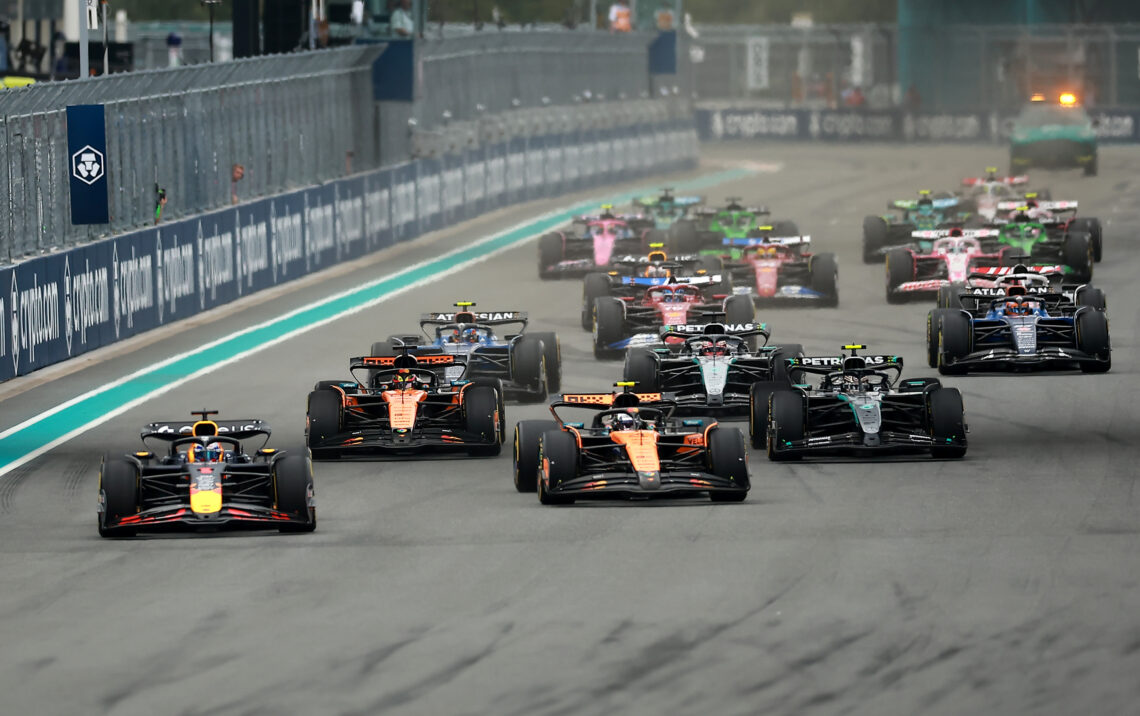


Formula 1 is set for several rules changes in 2026 as the new technical regulations come into effect.
The new rules will see a major transformation of the F1 cars, with simultaneous chassis and aerodynamic changes and a 50/50 split between internal combustion and electrical power in the engines. Audi and Cadillac will join the grid in 2026, while Red Bull will become an engine supplier.
| TEAM | ENGINE |
| Red Bull | Red Bull Powertrains (in partnership with Ford) |
| Ferrari | Ferrari |
| McLaren | Mercedes |
| Mercedes | Mercedes |
| Aston Martin | Honda |
| Racing Bulls | Red Bull Powertrains (in partnership with Ford) |
| Haas | Ferrari |
| Williams | Mercedes |
| Alpine | Mercedes |
| Audi | Audi |
| Cadillac | Ferrari |
However, there is huge scepticism surrounding the regulations, with the drivers being ‘very critical’ of the 2026 cars after testing in the simulator. There are concerns that the new machines are much slower and that the battery must be recharged by lifting down the straights.
There will also be major changes to the calendar, with the Madrid Grand Prix debuting in 2026, while the likes of Spa-Francorchamps will be rotated. Stefano Domenicali says F1 will not become an all-street circuit calendar in the future, to the delight of Max Verstappen.
The Formula 1 CEO has been talking about introducing further changes over the next few years, including the introduction of standardised fuels. Recently, Domenicali suggested that more Sprint races need to be included, as well as reverse grids and shorter Grands Prix.
These proposals have been met with widespread criticism from fans, who believe that they are not the answer for F1. With that in mind, F1 Oversteer has looked at four potential rule changes that must be implemented to improve the sport for the fans.
F1 Sprint races need radical changes
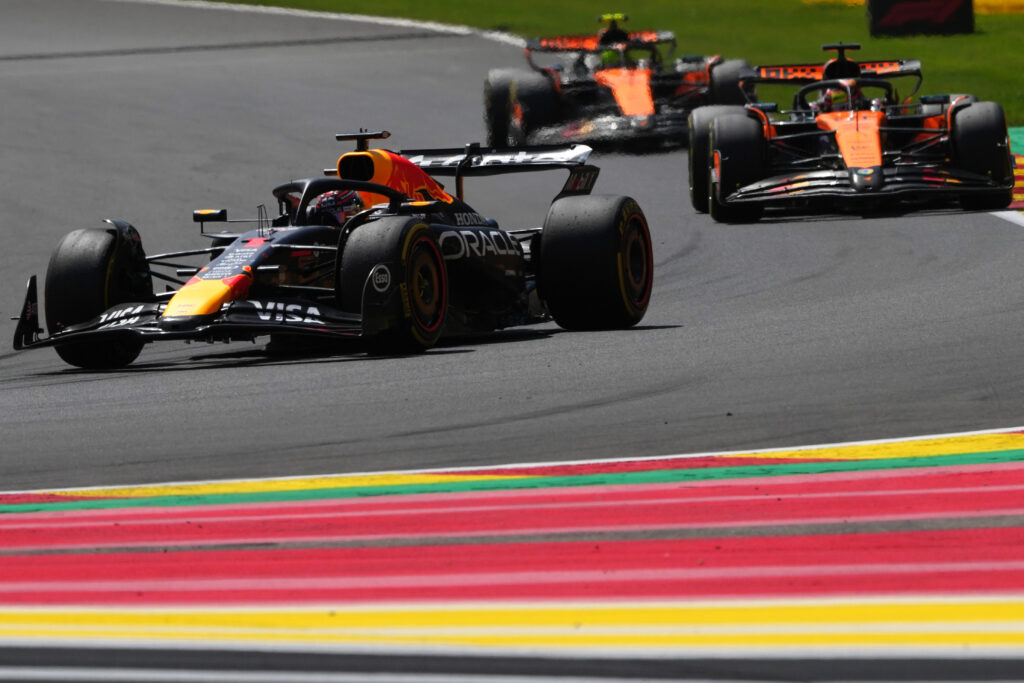
Since their introduction in 2021, Sprint races have been a controversial topic in F1. Verstappen has openly criticised the format in the past, stating that they are about ‘surviving’ and not racing.
But they are hugely popular among today’s audience, which would make it hard for F1 to get rid of them completely. However, changes are desperately needed to the format, with extra Sprints on the calendar not being the answer.
The Sprint format only sees the top eight drivers score points in an 8-7-6-5-4-3-2-1 system, which is simply not enough to affect the drivers’ championship. Oscar Piastri and Lando Norris would only gain or lose one point on each other if they finished 1-2 in a race in the 2025 title fight.
| Position | Drivers' Championship | Points |
| 1 | Oscar Piastri | 309 |
| 2 | Lando Norris | 275 |
| 3 | Max Verstappen | 205 |
| 4 | George Russell | 184 |
| 5 | Charles Leclerc | 151 |
| 6 | Lewis Hamilton | 109 |
| 7 | Andrea Kimi Antonelli | 64 |
| 8 | Alexander Albon | 64 |
| 9 | Nico Hulkenberg | 37 |
| 10 | Isack Hadjar | 37 |
One solution could be to implement a better scoring system to make Sprints more effective for the standings. F1 could even make a separate championship for Sprints and incentivise them by offering extra prize money to teams for winning it.
Reverse grids would create some element of excitement, with it being previously suggested that it would be done based on the championship standings – in this instance, Franco Colapinto would start on pole and Piastri would be last.
However, reverse grids have been heavily criticised by drivers, with Lewis Hamilton and Charles Leclerc being the most vocal. Sprints do not look to be going anywhere in the future, but they must be changed to properly have an impact on a world championship.
Blue flags should be banned in Formula 1
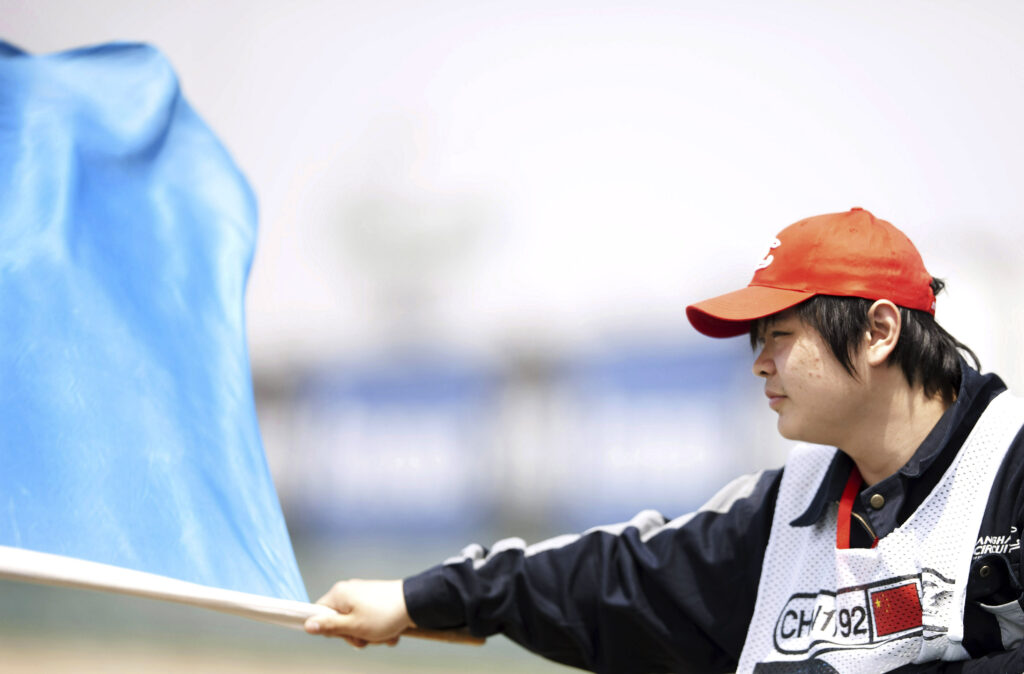
Another controversial topic in F1 is blue flags, which are used for backmarkers to make way for the leaders, putting them a lap down. Many have questioned whether the flags remove the skill of F1 drivers, who try to overtake their rivals on track.
Quite simply, F1 is about racing and every driver, regardless of what position they are in, is doing exactly that and fighting for position. Removing blue flags would up the stakes for the leaders as they try to navigate through the field.
Of course, this could cause some problems, such as in Monaco, which could create a long queue of cars unable to pass one another. There is also the risk of accidents, as seen by Colapinto’s manoeuvre on Piastri in Austria, but that would increase the excitement of a race.
Martin Brundle would like to see blue flags banned, stating that drivers are losing skill by simply being let through backmarkers. They should have to pass them like any other car on track, which would make for interesting scenarios during a race.
READ MORE: Everything we know about F1’s 2026 regulation changes from engines to tyres
Formula 1 should ban team orders
Similarly to blue flags, team orders can harm the flow of races as the pit wall instructs their drivers to make way for their teammates if they are quicker.
Team orders were banned previously in F1 after Rubens Barrichello was told to let Michael Schumacher pass for the win at the 2002 German GP. Since it was lifted after 2010, there have been similar incidents.
McLaren caused controversy at the 2024 Hungarian GP after Norris was told to let Piastri back through for the win, even though the team had mistakenly allowed the Brit to undercut his teammate for the lead.
Fans want to see drivers battle on track, and teams manipulating the outcome of a race takes away that adrenaline and buzz when cars go wheel-to-wheel. If a driver is faster than his teammate, then he should have to overtake him, not be let through.
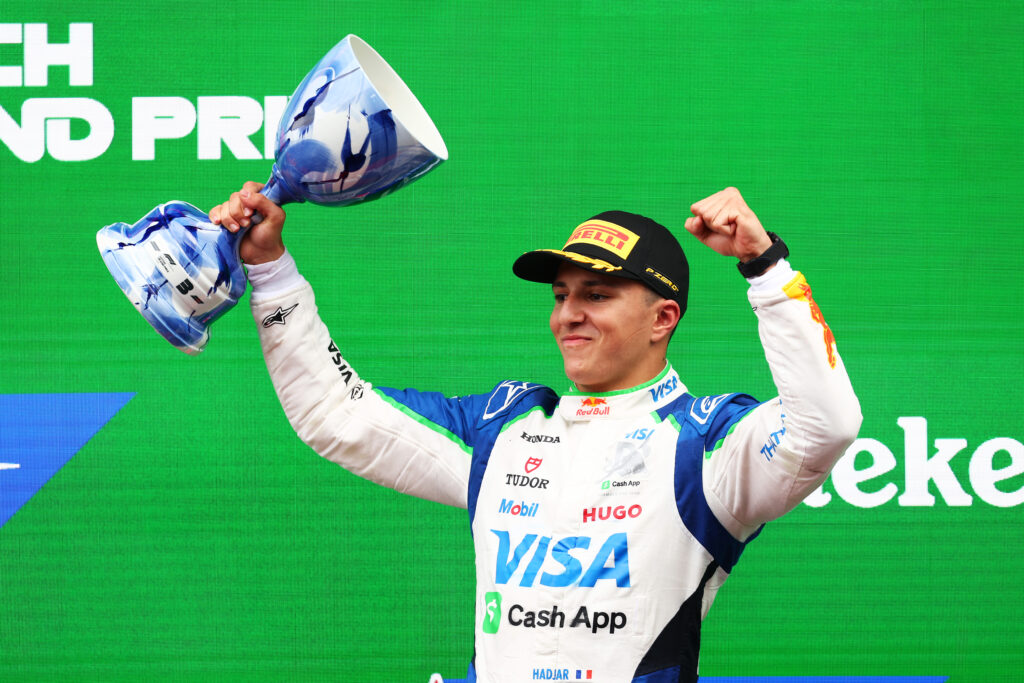
Formula 1 should introduce rookie races for young drivers
A new rule that could be implemented to improve F1 is rookie races. This has been a topic of debate in recent years due to the lack of new faces joining the grid – 2024 marked the first season in history where no driver transfers happened.
Rookie races were planned to happen as early as last year, as F1 had flirted with the idea of running one at the end of the season, but did not materialise. These would be a great opportunity for young drivers and rookies to get more mileage in F1 machinery.
It would also put them in a real-race situation, which would give their respective teams the chance to analyse them further outside of private testing and junior categories.
A ‘mini-championship’, so to speak, would put new talents on the F1 driver market and get teams considering them for future seats. Furthermore, fans would be exposed to new racing and drivers, which would get them excited about the upcoming generation.
Receive exclusive F1 news and updates twice a week to your mailbox