Lando Norris
 McLaren
 Mercedes
 Red Bull
 Ferrari
 Williams
 Racing Bulls
 Aston Martin
 Haas
Haas Alpine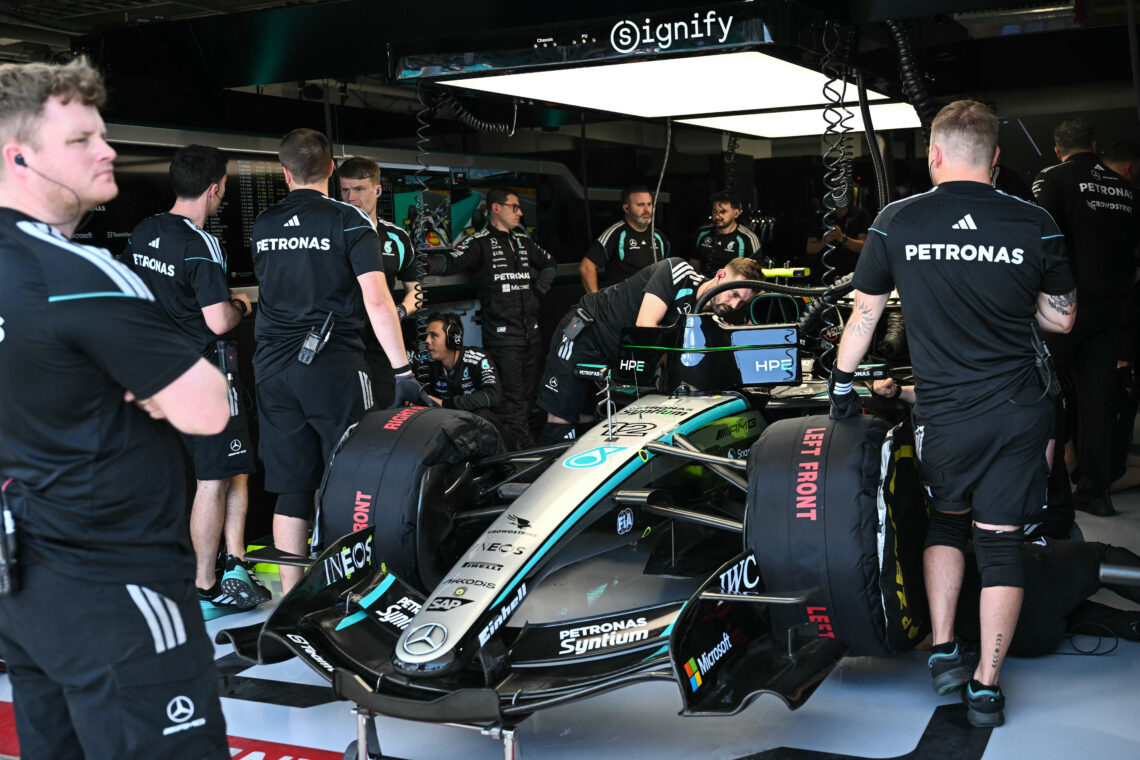


Mercedes reportedly evaluate the quality of each power unit, but the decision of which team receives which power unit comes down to other factors.
As a supplier team, Mercedes not only design their own power units, but sell them to other teams in Formula 1. Currently, McLaren, Alpine, and Williams are Mercedes’ clients.
Earlier this season, McLaren complained about Mercedes withholding information over the 2026 power unit, suggesting that they weren’t playing with the same set of cards.
Have McLaren been treated fairly by Mercedes this season?
Juan Pablo Montoya thinks Mercedes have kept secrets about their engine 🕵️♂️

In response to these criticisms, Toto Wolff said Mercedes can’t make everyone happy, admitting that the power units cannot be catered specifically to everyone.
But it appears Mercedes do not unilaterally create the exact same power unit for each team, as the team’s position influenced the quality of the power unit they receive.
READ MORE: Guenther Steiner tells Toto Wolff ‘he can stop’ McLaren’s Mercedes engine deal amid growing threat
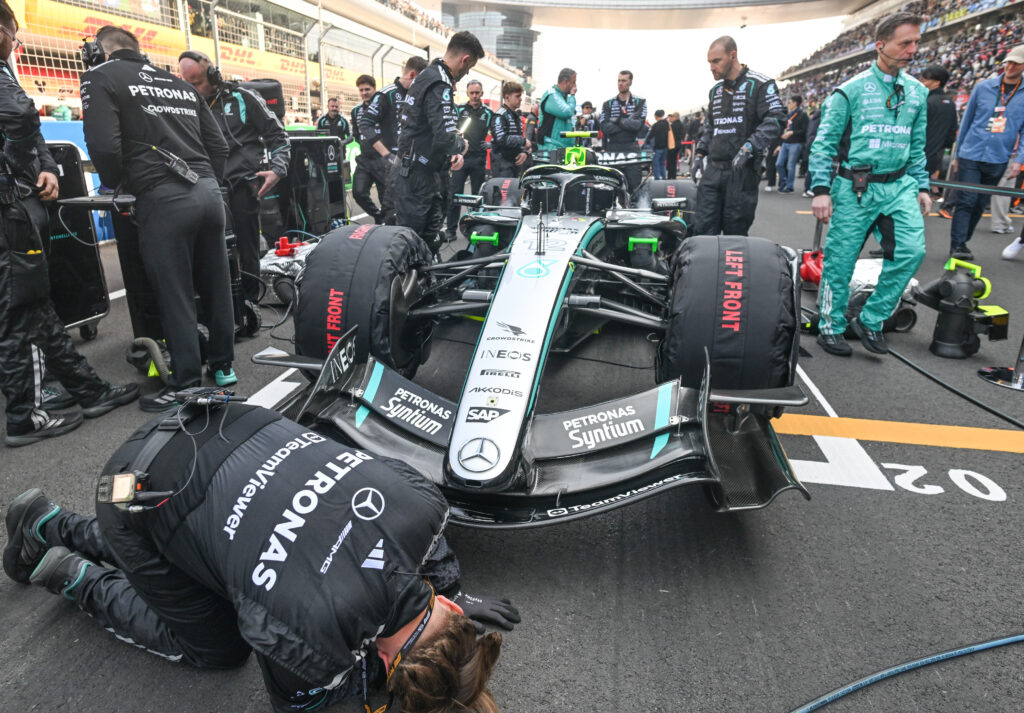
Mercedes deliver power units based on client teams’ performance
Speaking to Minimo Comun Multiplo, former Mercedes engineer Josema Galan was asked about his role on the team when it came to creating their power units.
He explained that if a power unit seemed to perform better than expected, they would give it to a weaker client team to avoid any concerns about favouritism.
“I remember, I really liked my role because I had to do an analysis, not only in terms of performance, but also in terms of reliability.
“Then there was this dichotomy of, ‘Oh, this one performs a little better, but we have found another defect. Who do we give this to? Do we give it to our team or to the client?’
“Usually, it’s the client. I’m not going to say (whether it depends on the client’s place in the championship).
“But there were political decisions made in that sense. ‘Okay, this team generally performs poorly, give them the best one so they don’t catch us.’ We’re also talking about a difference of thousandths of a second. No (the FIA can’t control this). This is the real world that we live in.”
READ MORE: Ralf Schumacher thinks McLaren are using Mercedes power unit as a distraction for tricky 2026 start
If you were Mercedes, would you stop giving McLaren engines?
The deal expires in 2030
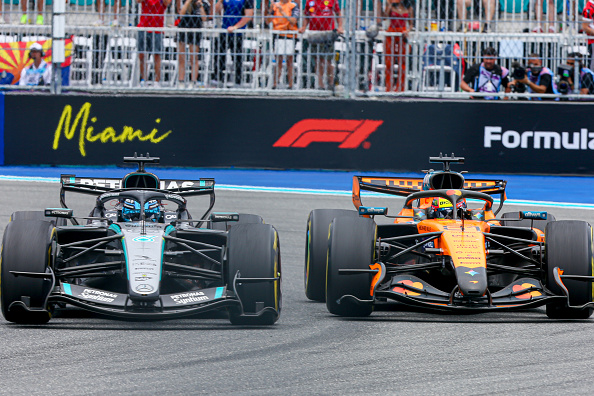
McLaren seem to be figuring out Mercedes power unit now
After struggling to adapt to the power unit and the knowledge gap, McLaren seemed to have addressed their issues and taken a massive leap in performance.
Their performance at the Miami Grand Prix was so impressive that Mercedes wanted to look at McLaren’s data to see what they were doing differently compared to the earlier races.
There were suggestions that McLaren gained seven-tenths on Mercedes during the hiatus, which will concern the current championship leaders.
Whether or not Mercedes gave McLaren a weaker power unit isn’t known, and any speculation on the matter would be reckless at this point in the season.
Whatever the reality is, any gaps that Mercedes held against McLaren have now shrunk significantly, and could make for an interesting title race.
Receive exclusive F1 news and updates twice a week to your mailbox