Lando Norris
 McLaren
 Mercedes
 Red Bull
 Ferrari
 Williams
 Racing Bulls
 Aston Martin
 Haas
Haas Alpine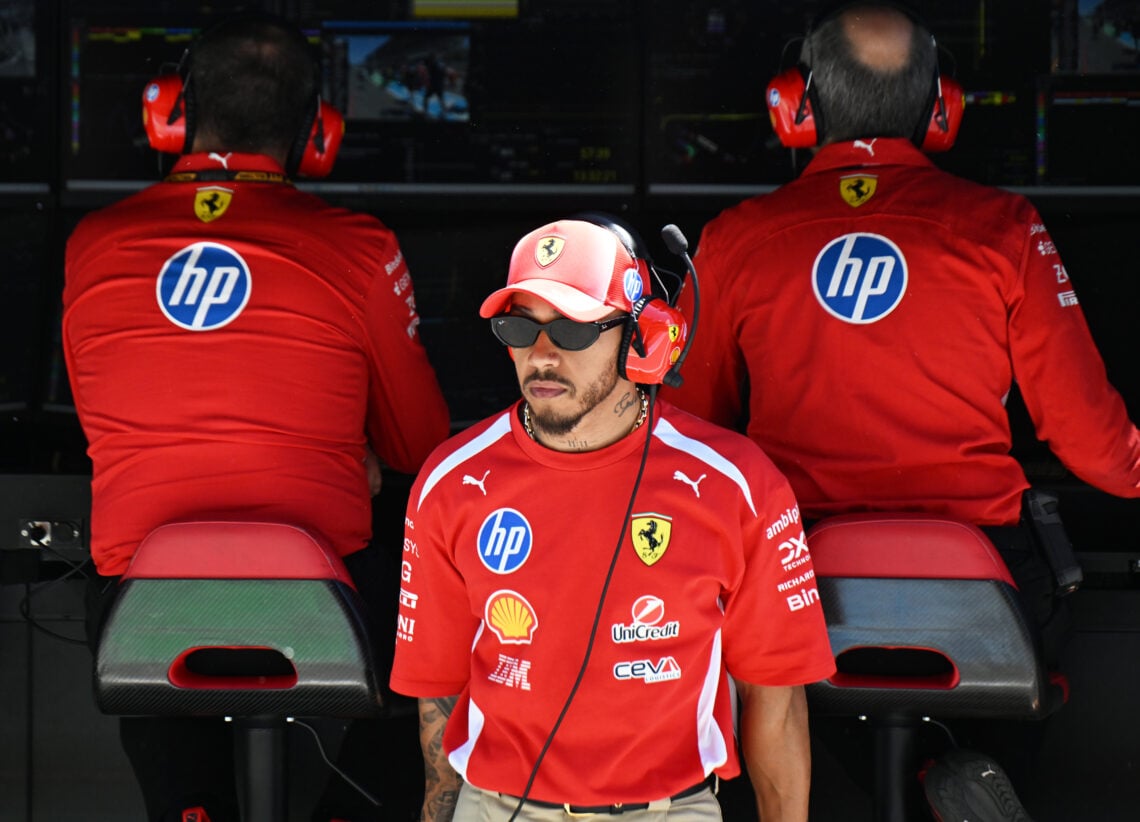


Ferrari’s strong performance at the British Grand Prix weekend came as a surprise at Maranello and at Mercedes.
Lewis Hamilton took Sprint pole on Friday ahead of Kimi Antonelli, though he couldn’t keep the championship leader at bay in the race.
In Grand Prix qualifying, Antonelli was quickest, but Charles Leclerc led a Ferrari two-three ahead of George Russell.
Ferrari thought they would be six to seven-tenths off the pace at Silverstone
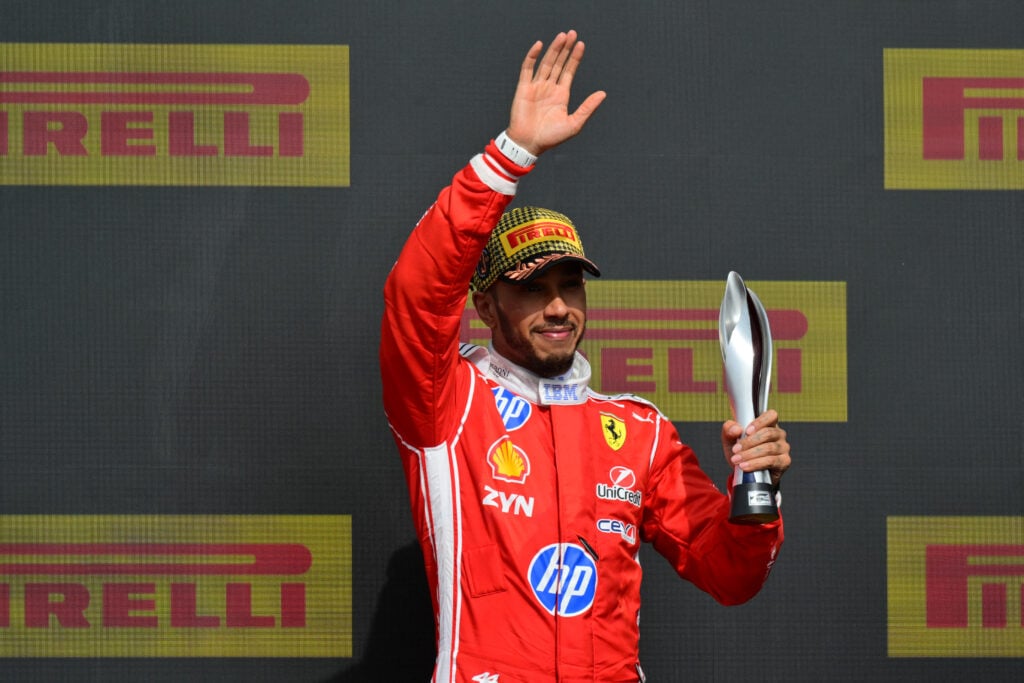
Despite falling to third on the opening lap, the late-stopping Antonelli was on course to win the race before a broken wheel shield ruined his afternoon. That allowed Leclerc to take victory, while Hamilton finished third to give Ferrari a season-best 40-point haul (or 52 if one includes the Sprint).
Silverstone looked like one of Ferrari’s weakest circuits given their well-documented engine deficit. The team were trying to play down expectations internally and externally.
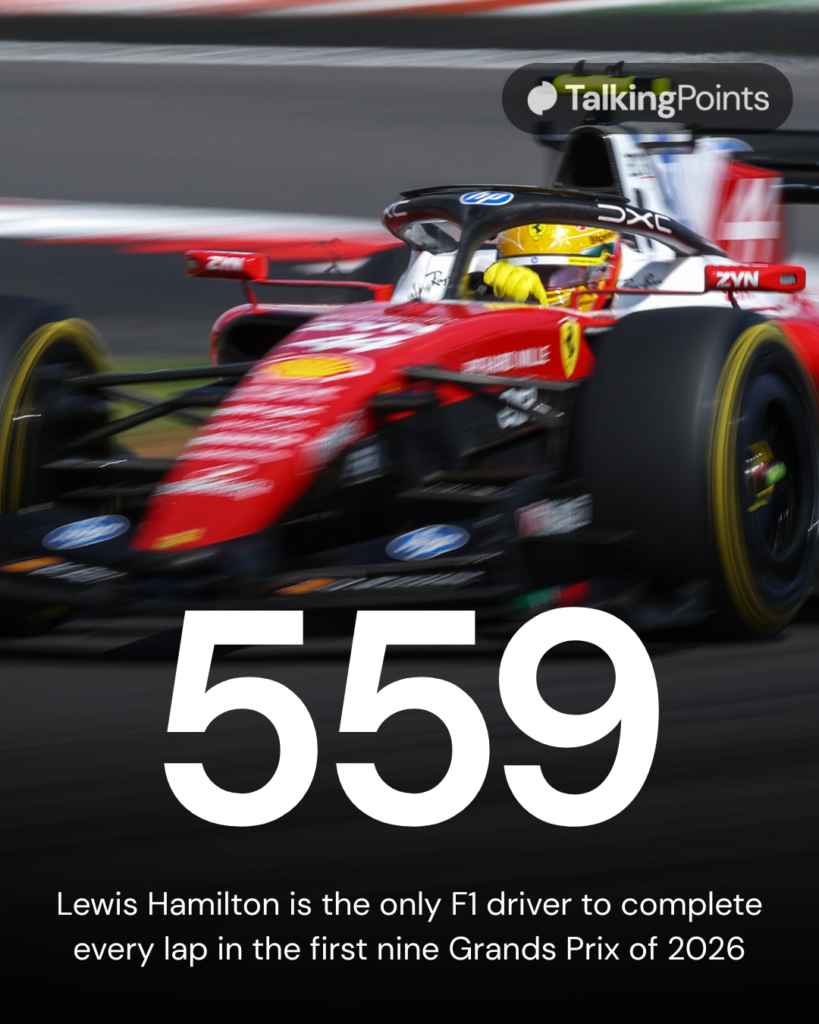
How long will Lewis Hamilton’s run of finishing every Grand Prix lap last?
Electrical energy was going to be at a premium here given the lack of major braking events and slow corners, which are crucial for recharge. Ferrari’s 20kph deficit at the end of the straights in Austria suggested they were lagging well behind Mercedes and Red Bull in that area.
In fact, Ferrari calculated based on their simulations that they would be six to seven tenths off the pace at the British GP. And yet, even though Mercedes still proved to be the fastest, Leclerc was within two-tenths in qualifying.
This isn’t an issue unique to Ferrari. According to Corriere della Sera, competitors arrived at ‘relatively similar’ predictions.
Instead, it speaks to the limitations of pre-race simulations at this stage of a new ruleset. These cars are ‘extremely’ sensitive, and none of the team’s models can ‘perfectly reproduce’ them in the virtual domain.
Aerodynamics, traction and electric power are currently the three main contributors to success, and ‘each weighs almost as much as the others’. But if anyone drops outside the ideal window, the ‘setup goes haywire’.
Where does Lewis Hamilton rank on the current Formula 1 grid?
Aerodynamic performance can be affected by track conditions, above all the wind, while traction is heavily dependent on the rate of tyre wear, which is notoriously difficult to predict. The battery learning curve has proven to be steep too.
Just before his recent run of four podiums in five races, Hamilton said he would ‘back away’ from the simulator because of the lack of correlation.
“The way we’re preparing at the moment is not helping,” he said, adding that he kept starting weekends with setups that didn’t work.
After the British GP, Hamilton claimed that Leclerc had copied his setup, which was ‘much different’ to the optimal balance on the simulator.
Increasingly, the evidence suggests that Ferrari need to stop putting so much stock in their factory tools, and instead use their intuition, at least until those tools better reflect the new cars.
Receive exclusive F1 news and updates twice a week to your mailbox