Lando Norris
 McLaren
 Mercedes
 Red Bull
 Ferrari
 Williams
 Racing Bulls
 Aston Martin
 Haas
Haas Alpine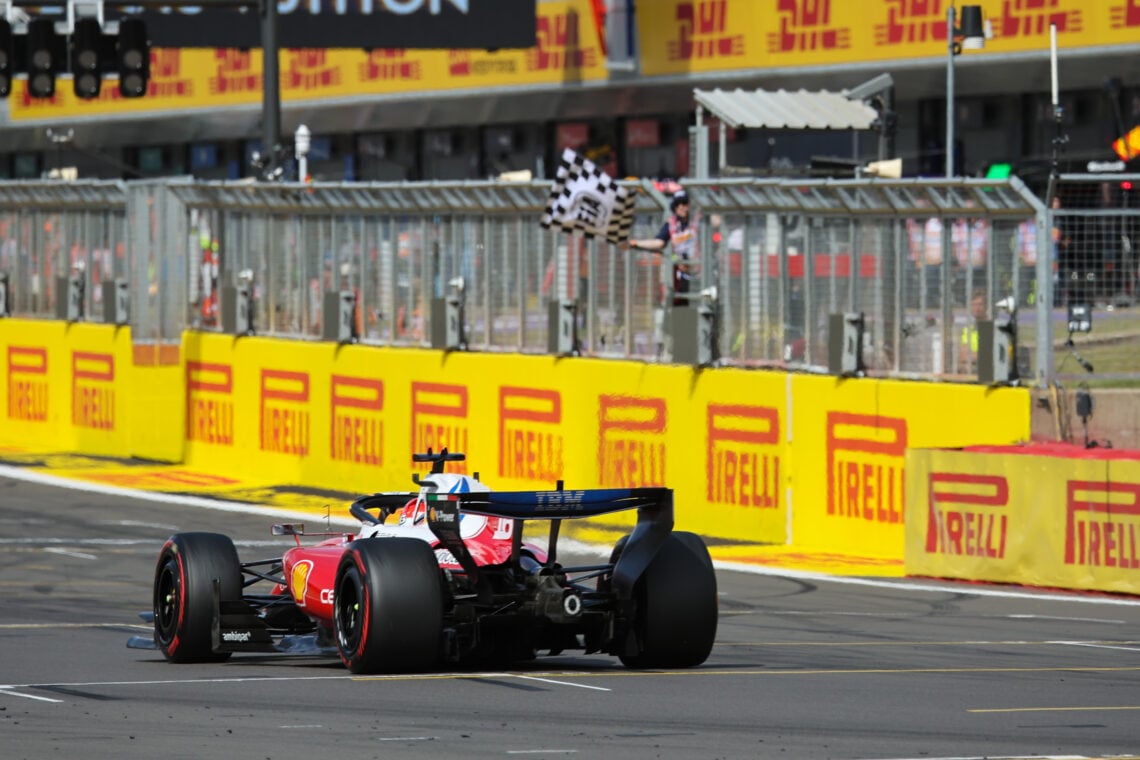


Ferrari are set to scrap the exhaust flap they pioneered for the first time at the 2026 Belgian Grand Prix, as they fear it will hold Lewis Hamilton and Charles Leclerc back.
The Scuderia are determined to give Hamilton and Leclerc every chance to battle for the top spots at Spa-Francorchamps when F1 visits the Ardennes forest on July 17-19. Spa has not been a rewarding track for Ferrari in recent years, and it may also not suit them this season.
Ferrari last won the Belgian GP in 2019 when Leclerc scored his first career victory, for what was also the pride of Italy’s record-extending 18th win in Belgium to date. But the best that the Scuderia have managed at Spa since Leclerc’s win is P3 in each of the past four editions.
Hamilton is also a specialist around Spa with five Belgian GP wins – only one fewer than the all-time record of six that Michael Schumacher set. Yet hopes are not all that high at Ferrari heading to Spa this year, despite Leclerc winning the British GP at Silverstone last time out.
You’re invited to dinner with Lewis Hamilton, what’s the first thing you’re asking him?
MotoGP star Pedro Acosta picked Lewis Hamilton as the sporting legend he would love to have dinner with

Ferrari are set to sacrifice their blown exhaust for the Belgian Grand Prix
While F1’s 2026 regulations ensure past form will count for little at the Belgian GP this year, Ferrari suspect that Spa’s layout may not suit the inherent characteristics of the SF-26. So, a plan is being made to abandon the flick tail mode (FTM) exhaust flap that Ferrari pioneered.
READ MORE: The best moments of Charles Leclerc’s career in Formula 1
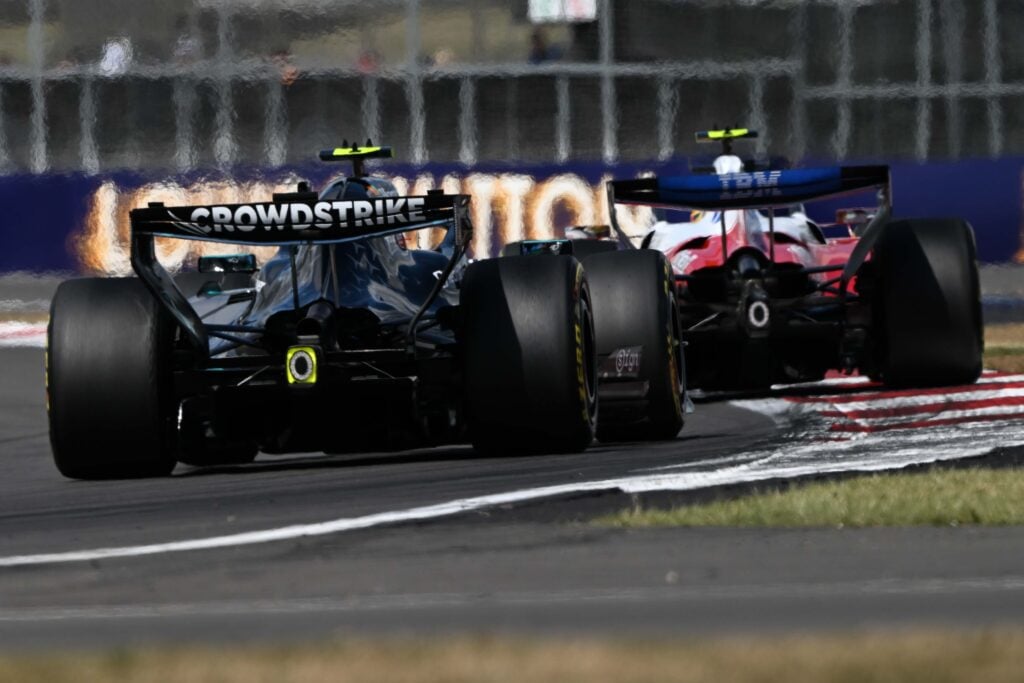
That is according to the Italian edition of Motorsport.com, which notes that Ferrari technical director Loic Serra is ready to sacrifice the extra downforce that the FTM generates from the rear wing. Serra feels Ferrari must instead recover the horsepower that the FTM costs them.
Blanking off the lower part of the exhaust exit costs Ferrari seven horsepower, which will be very detrimental on Spa’s long straights. So, the Scuderia will adopt a low-downforce set-up, and even had F2 ace Dino Beganovic run without the FTM during FP1 in Austria to gain data.
Beganovic stood in for Leclerc in FP1 at the Austrian Grand Prix, as Ferrari utilised having to run a rookie driver in practice to test new aerodynamic set-ups with the Belgian GP in mind. And removing the FTM for the first time this term is a solution that Serra feels Ferrari found.
Ferrari pioneered their blown exhaust flap during pre-season testing in Bahrain, and several teams have since sought to copy the concept. Such has been the development race that the Scuderia sparked that the FIA will ban blown exhaust flaps like Ferrari’s from 2027 to stop it.
Prove us wrong: Daniel Ricciardo tarnished his legacy by returning to F1 with AlphaTauri in 2023

The exhaust flap is very beneficial on medium-to-high downforce circuits, and has played an essential role in the Ferrari SF-26’s superb ability in the corners, as it directs the hot exhaust gases onto the lower part of the rear wing. But the extra drag it causes will not help at Spa.
Carrying any extra drag from the run out of La Source to the Les Combes chicane, via Eau Rouge, Raidillon and the Kemmel Straight, as well as the run from Stavelot to the Bus Stop Chicane, via Blanchimont, would just serve to hold Hamilton and Leclerc back in the SF-26.
Formula 1 teams will regularly sacrifice downforce and essentially adopt Monza-spec rear wing levels at the Belgian GP due to the greater need for straight-line speed in sectors one and two. Drivers simply have to live with their lower downforce levels in the middle sector.
Receive exclusive F1 news and updates twice a week to your mailbox